Department of Biostatistics, Vanderbilt University, Nashville, TN 37203, USA.
Computational Epidemiology Lab, Harvard Medical School, Boston, MA 02215, USA.
Int J Environ Res Public Health. 2020 Jul 14;17(14):5077. doi: 10.3390/ijerph17145077.
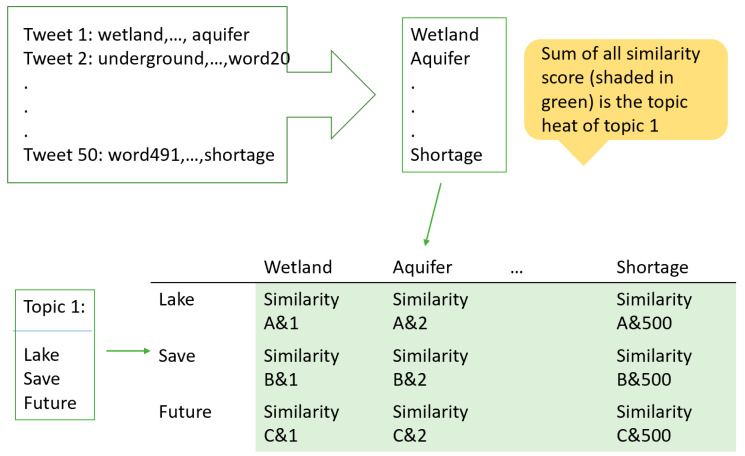
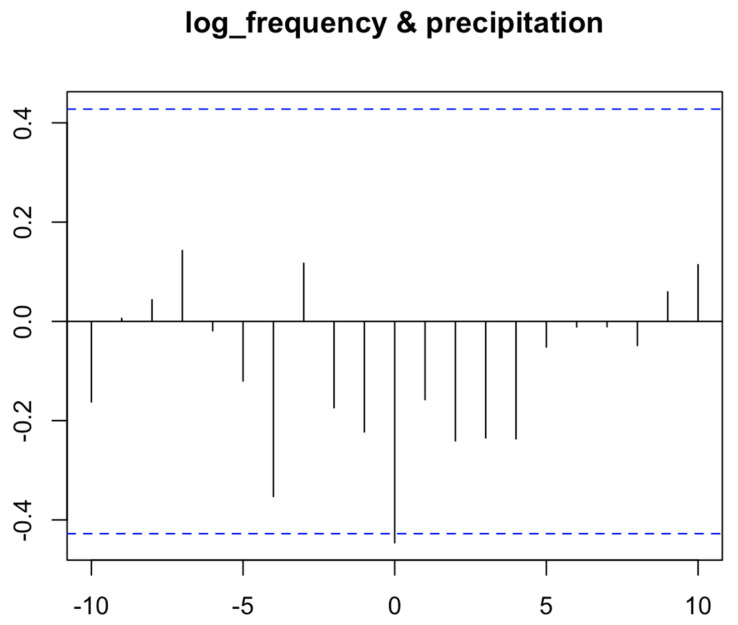
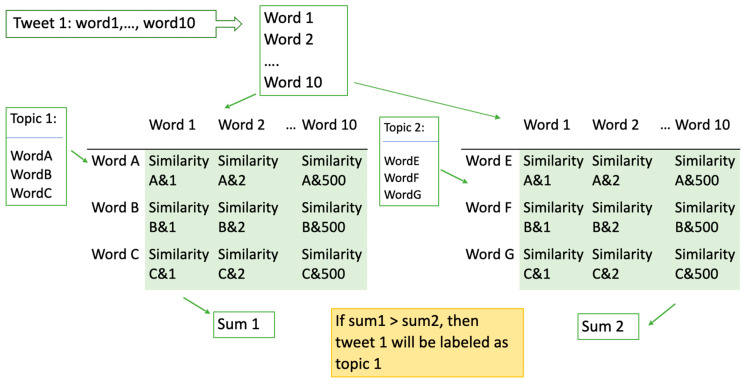
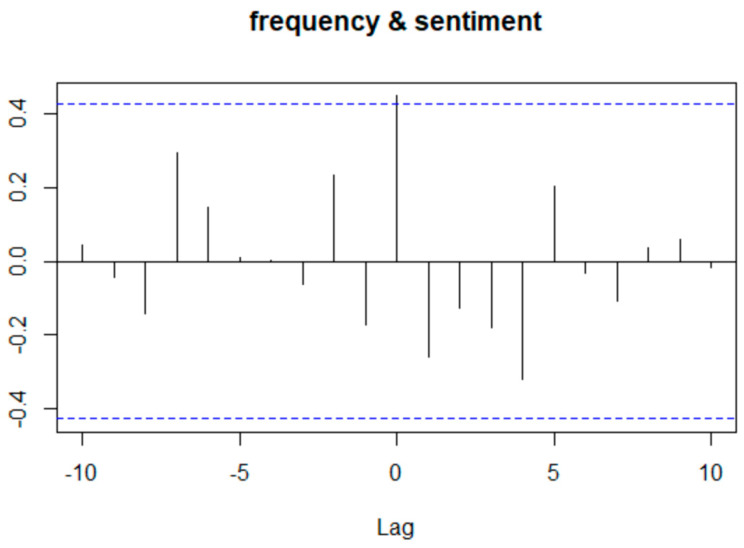
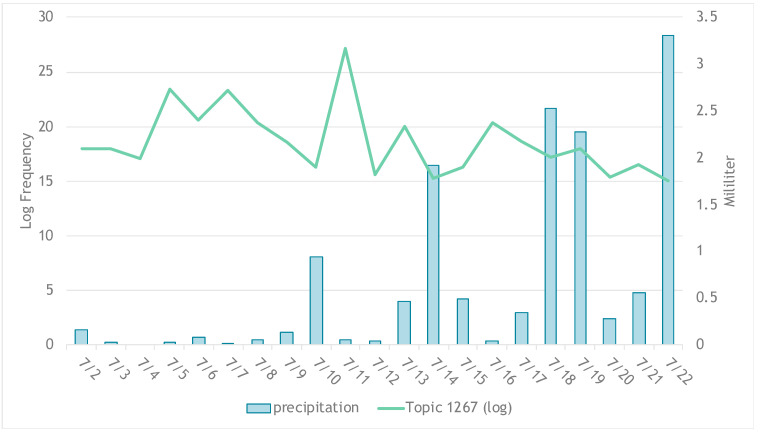
Globally, water scarcity has become a common challenge across many regions. Digital surveillance holds promise for monitoring environmental threats to population health due to severe drought. The 2019 Chennai water crisis in India resulted in severe disruptions to social order and daily life, with local residents suffering due to water shortages. This case study explored public opinion captured through the Twitter social media platform, and whether this information could help local governments with emergency response. Sentiment analysis and topic modeling were used to explore public opinion through Twitter during the 2019 Chennai water crisis. The latent Dirichlet allocation (LDA) method identified topics that were most frequently discussed. A naïve Tweet classification method was built, and Twitter posts (called tweets) were allocated to identified topics. Topics were ranked, and corresponding emotions were calculated. A cross-correlation was performed to examine the relationship between online posts about the water crisis and actual rainfall, determined by precipitation levels. During the Chennai water crisis, Twitter users posted content that appeared to show anxiety about the impact of the drought, and also expressed concerns about the government response. Twitter users also mentioned causes for the drought and potential sustainable solutions, which appeared to be mainly positive in tone. Discussion on Twitter can reflect popular public opinion related to emerging environmental health threats. Twitter posts appear viable for informing crisis management as real-time data can be collected and analyzed. Governments and public health officials should adjust their policies and public communication by leveraging online data sources, which could inform disaster prevention measures.
全球范围内,水资源短缺已成为许多地区面临的共同挑战。数字监控有望监测因严重干旱对人口健康造成的环境威胁。2019 年印度钦奈水危机导致社会秩序和日常生活严重中断,当地居民因缺水而受苦。本案例研究通过 Twitter 社交媒体平台探索了公众意见,以及这些信息是否可以帮助地方政府应对紧急情况。通过 Twitter 进行了情感分析和主题建模,以探讨 2019 年钦奈水危机期间的公众意见。潜在狄利克雷分配(LDA)方法确定了最常讨论的主题。构建了一种朴素的 Tweet 分类方法,并将 Twitter 帖子(称为推文)分配到已识别的主题中。对主题进行排名,并计算相应的情绪。进行了交叉相关分析,以检查与实际降雨量(由降水水平确定)有关的水危机在线帖子与在线帖子之间的关系。在钦奈水危机期间,Twitter 用户发布的内容似乎显示出对干旱影响的焦虑,并且还对政府的应对措施表示关注。Twitter 用户还提到了干旱的原因和潜在的可持续解决方案,这些内容在语气上似乎主要是积极的。Twitter 上的讨论可以反映与新出现的环境健康威胁有关的公众意见。Twitter 帖子似乎可以为危机管理提供信息,因为可以实时收集和分析实时数据。政府和公共卫生官员应通过利用在线数据源来调整其政策和公共沟通,这可以为预防灾难措施提供信息。