Szafraniec Gustaw M, Szeleszczuk Piotr, Dolka Beata
Department of Pathology and Veterinary Diagnostics, Institute of Veterinary Medicine, Warsaw University of Life Sciences-SGGW, Nowoursynowska 159c St., 02-776 Warsaw, Poland.
Animals (Basel). 2020 Aug 14;10(8):1421. doi: 10.3390/ani10081421.
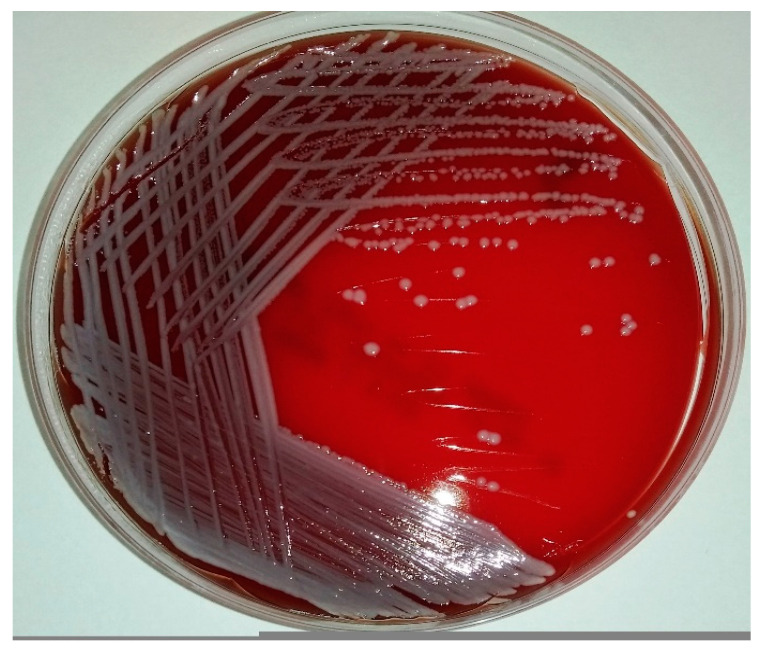
This review aims to summarize recent discoveries and advancements regarding the characteristics of () and its role in poultry pathology. is an emerging pathogen that was primarily associated with mastitis in dairy cattle. After a presumed host jump from cattle to poultry, it was identified as a pathological agent in broiler chickens (), causing lameness induced by bacterial chondronecrosis with osteomyelitis (BCO), septicemia, and valvular endocarditis. Economic and welfare losses caused by lameness are global problems in the poultry industry, and has been shown to have a potential to induce high incidences of lameness in broiler chickens. exhibits a distinct repertoire of virulence factors found in many different staphylococci. It is closely related to and , hence infections caused by may be misdiagnosed or even undiagnosed. As there are very few reports on in poultry, many facts about its pathogenesis, epidemiology, routes of transmission, and the potential impacts on the poultry industry remain unknown.
本综述旨在总结关于()的特征及其在家禽病理学中作用的最新发现和进展。()是一种新兴病原体,最初主要与奶牛乳腺炎相关。在假定从牛宿主跳跃到家禽后,它被确定为肉鸡()中的病原体,导致由细菌性软骨坏死伴骨髓炎(BCO)、败血症和瓣膜性心内膜炎引起的跛行。跛行造成的经济和福利损失是家禽业的全球性问题,并且()已被证明有可能在肉鸡中引发高发病率的跛行。()表现出在许多不同葡萄球菌中发现的独特毒力因子库。它与()和()密切相关,因此由()引起的感染可能被误诊甚至未被诊断。由于关于家禽中()的报道非常少,其发病机制、流行病学、传播途径以及对家禽业的潜在影响的许多事实仍然未知。