Wu Jianzhi, Huang Guangrui, Li Yajing, Li Xiaojiaoyang
School of Life Sciences, Beijing University of Chinese Medicine, 11 Bei San Huan Dong Lu, Beijing, 100029 China.
Chin Med. 2020 Aug 26;15:89. doi: 10.1186/s13020-020-00371-5. eCollection 2020.
Liver diseases and related complications are major sources of morbidity and mortality, which places a huge financial burden on patients and lead to nonnegligible social problems. Therefore, the discovery of novel therapeutic drugs for the treatment of liver diseases is urgently required. (AFI) and (AF) are frequently used herbal medicines in traditional Chinese medicine (TCM) formulas for the treatment of diverse ailments. A variety of bioactive ingredients have been isolated and identified from AFI and AF, including alkaloids, flavonoids, coumarins and volatile oils.
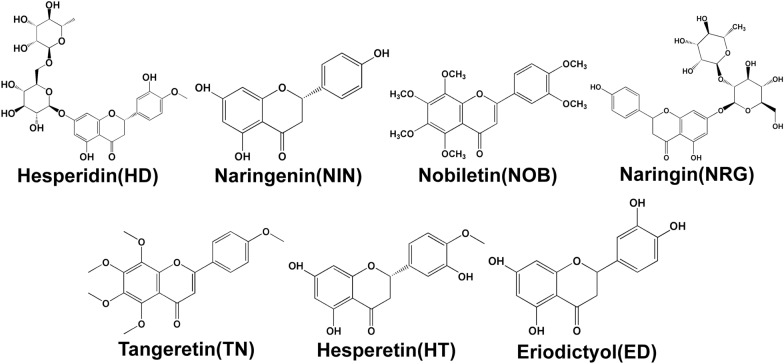
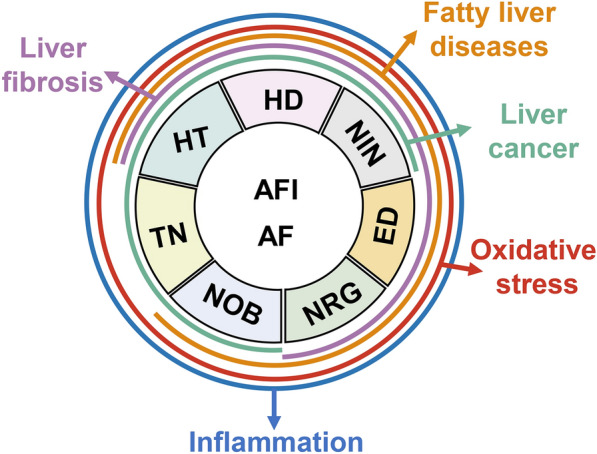
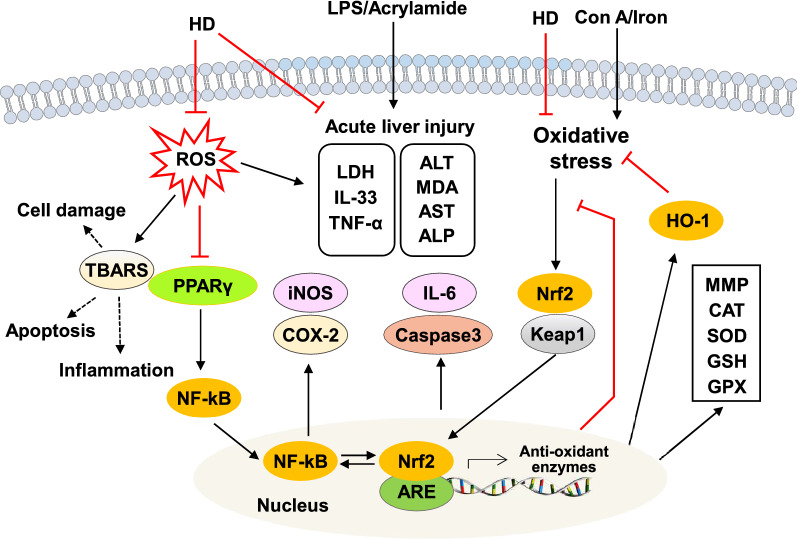
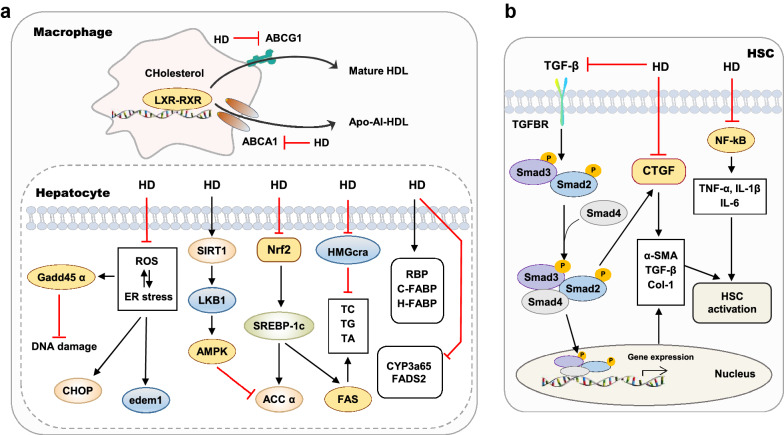
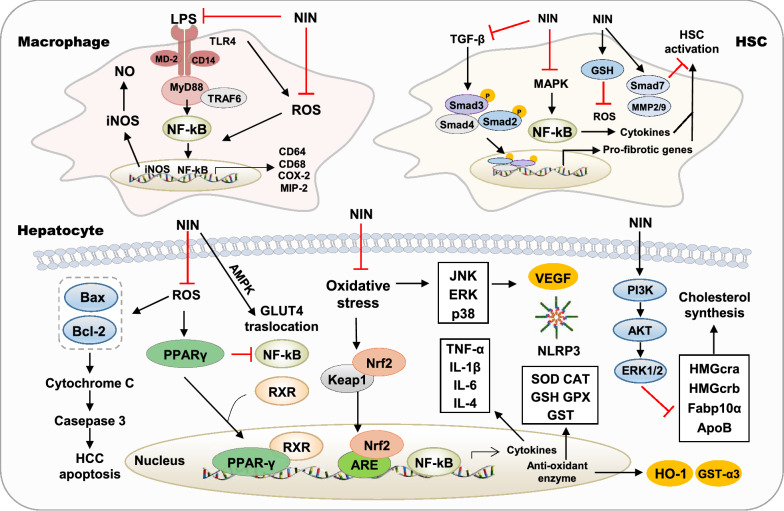
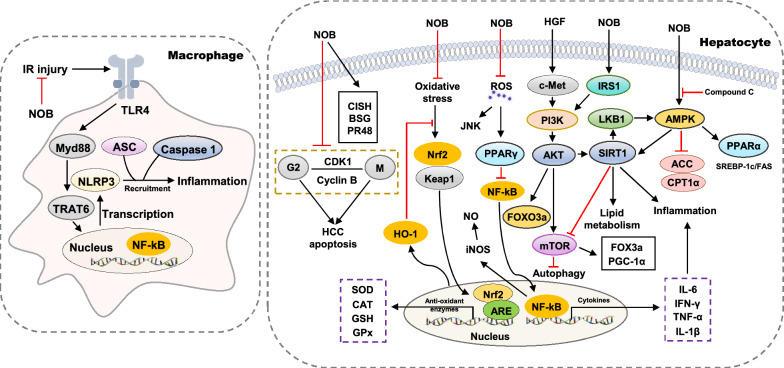
Emerging evidence suggests that flavonoids, especially hesperidin (HD), naringenin (NIN), nobiletin (NOB), naringin (NRG), tangeretin (TN), hesperetin (HT) and eriodictyol (ED) are major representative bioactive ingredients that alleviate diseases through multi-targeting mechanisms, including anti-oxidative stress, anti-cytotoxicity, anti-inflammation, anti-fibrosis and anti-tumor mechanisms. In the current review, we summarize the recent progress in the research of hepatoprotective effects of HD, NIN, NOB, NRG, TN, HT and ED and highlight the potential underlying molecular mechanisms. We also point out the limitations of the current studies and shed light on further in-depth pharmacological and pharmacokinetic studies of these bioactive flavonoids.
This review outlines the recent advances in the literature and highlights the potential of these flavonoids isolated from AFI and AF as therapeutic agents for the treatment of liver diseases. Further pharmacological studies will accelerate the development of natural products in AFI and AF and their derivatives as medicines with tantalizing prospects in the clinical application.
肝脏疾病及相关并发症是发病和死亡的主要原因,给患者带来巨大经济负担,并引发不可忽视的社会问题。因此,迫切需要发现治疗肝脏疾病的新型治疗药物。(艾叶)和(青蒿)是中医方剂中常用于治疗多种疾病的草药。已从艾叶和青蒿中分离并鉴定出多种生物活性成分,包括生物碱、黄酮类化合物、香豆素和挥发油。
新出现的证据表明,黄酮类化合物,尤其是橙皮苷(HD)、柚皮素(NIN)、川陈皮素(NOB)、柚皮苷(NRG)、橘红素(TN)、橙皮素(HT)和圣草酚(ED)是主要的代表性生物活性成分,它们通过多靶点机制缓解疾病,包括抗氧化应激、抗细胞毒性、抗炎、抗纤维化和抗肿瘤机制。在本综述中,我们总结了HD、NIN、NOB、NRG、TN、HT和ED肝脏保护作用研究的最新进展,并强调了潜在的分子机制。我们还指出了当前研究的局限性,并为这些生物活性黄酮类化合物进一步深入的药理和药代动力学研究提供思路。
本综述概述了文献中的最新进展,并强调了从艾叶和青蒿中分离出的这些黄酮类化合物作为治疗肝脏疾病药物的潜力。进一步的药理研究将加速艾叶和青蒿及其衍生物作为具有诱人临床应用前景的天然产物的开发。