Division of the National Toxicology Program, National Institute of Environmental Health Sciences, Research Triangle Park, NC, 27709, USA.
MRIGlobal, Kansas City, MO, 64110, USA.
Anal Bioanal Chem. 2020 Oct;412(25):6789-6809. doi: 10.1007/s00216-020-02839-7. Epub 2020 Aug 31.
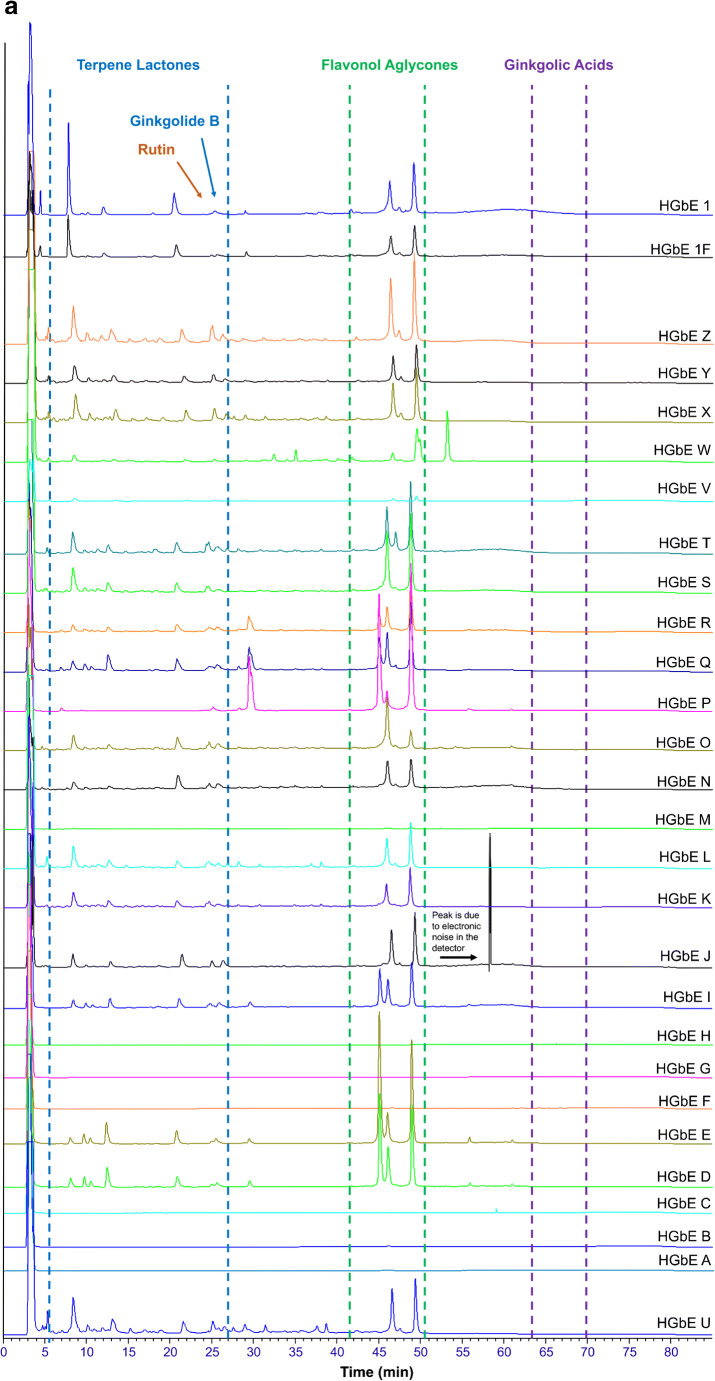
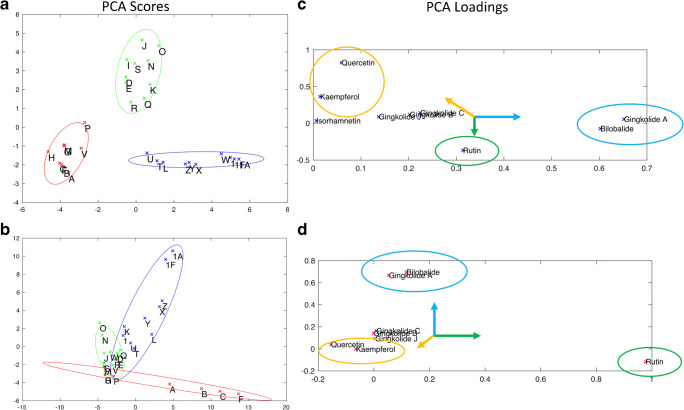
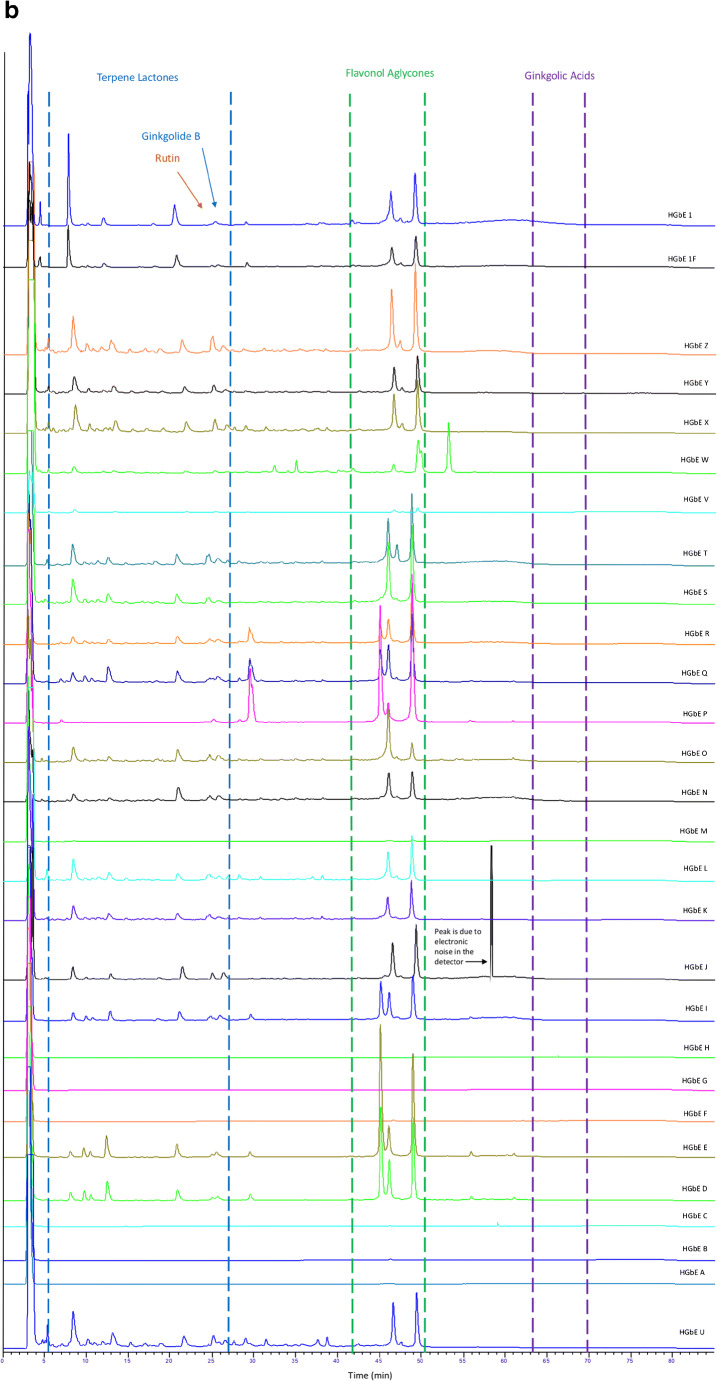
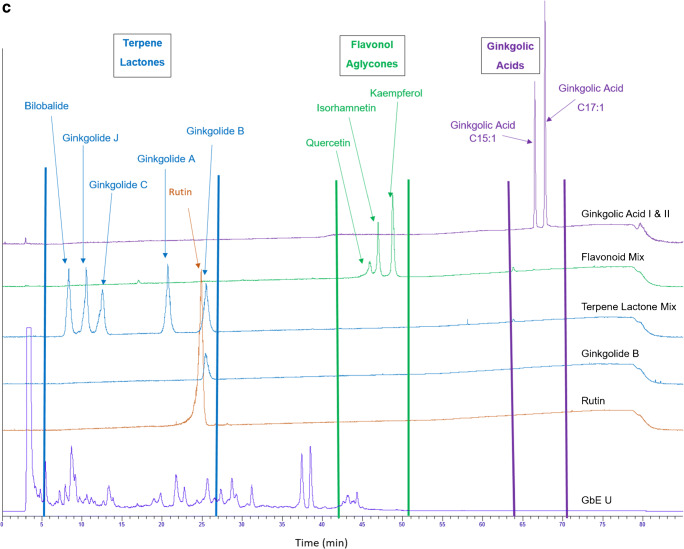
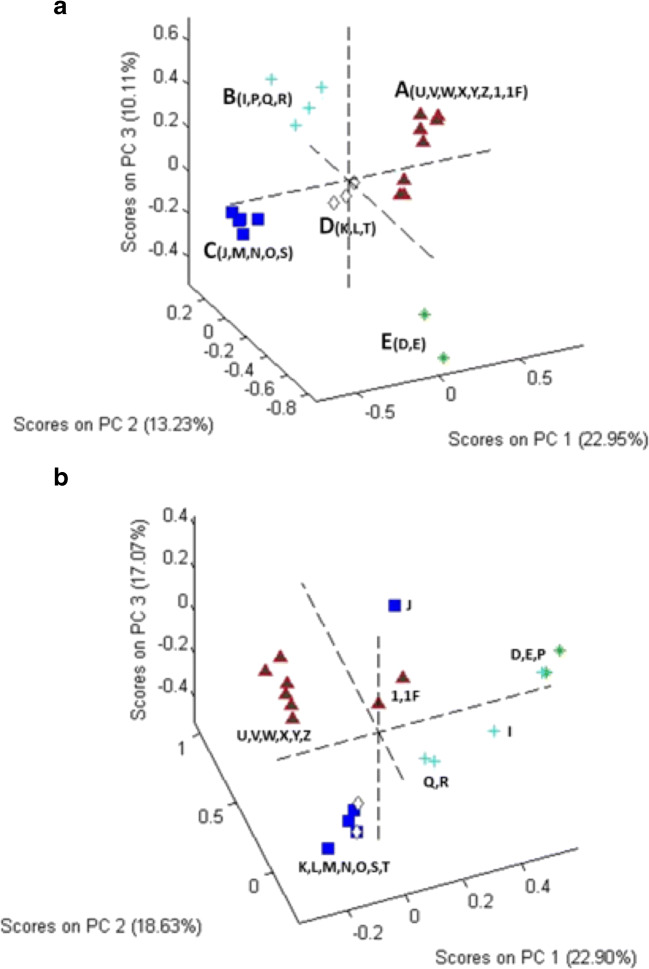
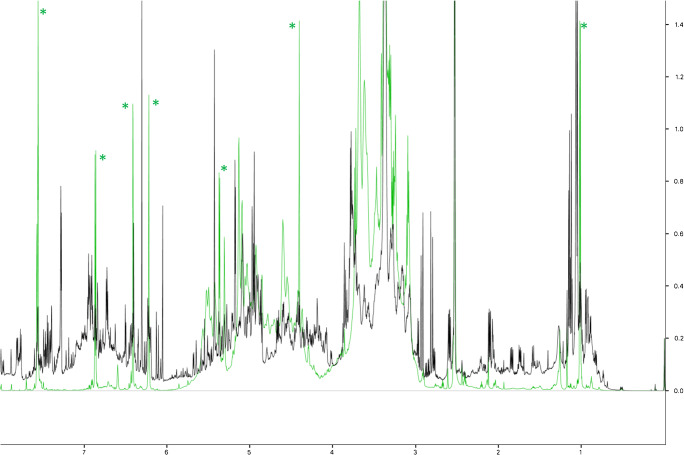
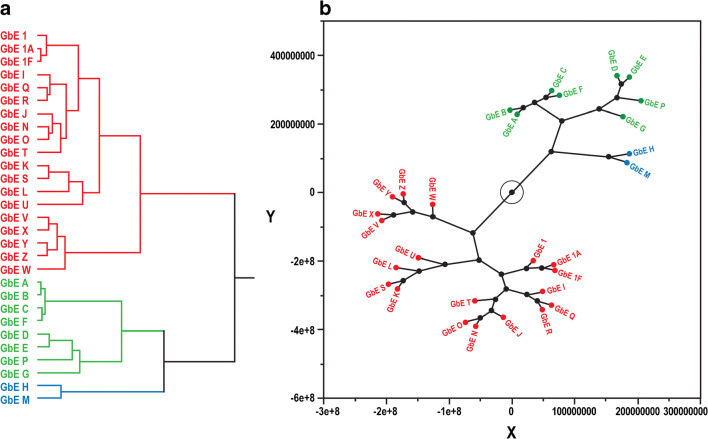
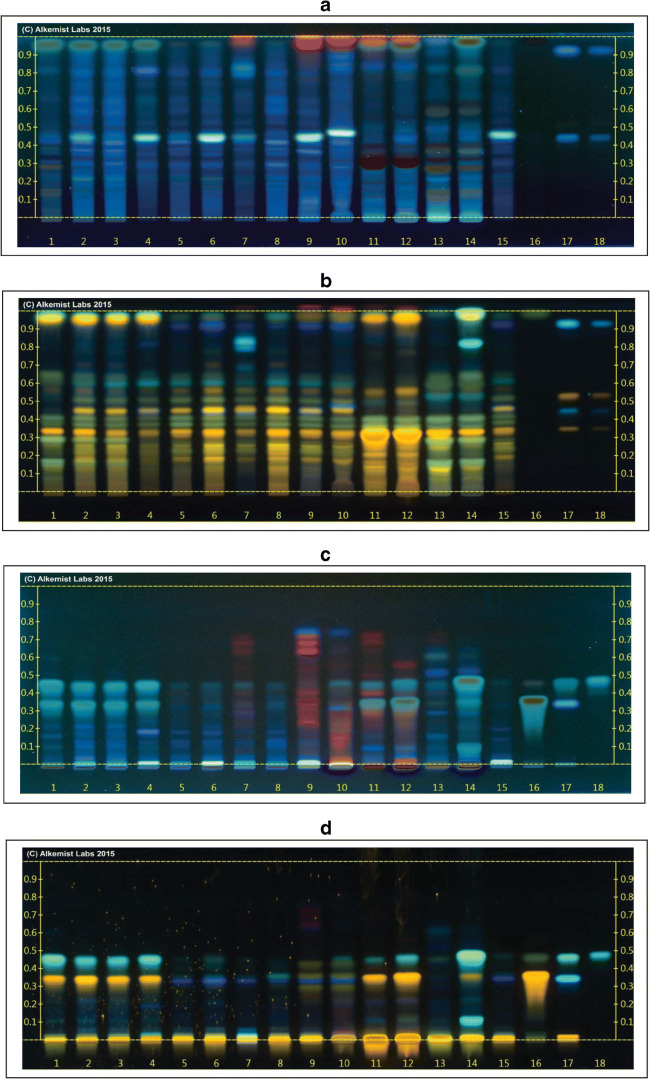
Ginkgo biloba extract (GbE) is a dietary supplement derived from an ethanolic extract of Ginkgo biloba leaves. Unfinished bulk GbE is used to make finished products that are sold as dietary supplements. The variable, complex composition of GbE makes it difficult to obtain consistent toxicological assessments of potential risk. The National Toxicology Program (NTP) observed hepatotoxicity in its rodent studies of a commercially available, unfinished GbE product, but the application of these results to the broader GbE supplement market is unclear. Here, we use a combination of non-targeted and targeted chromatographic and spectrophotometric methods to obtain profiles of 24 commercially available finished GbE products and unfinished standardized and unstandardized extracts with and without hydrolysis, then used principal component analysis to group unfinished products according to their similarity to each other and to National Institute of Standards and Technology (NIST) standard reference materials (SRM), and the finished products. Unfinished products were grouped into those that were characteristic and uncharacteristic of standardized GbE. Our work demonstrates that different analytical approaches produced similar classifications of characteristic and uncharacteristic products in unhydrolyzed samples, but the distinctions largely disappeared once the samples were hydrolyzed. Using our approach, the NTP GbE was most similar to two unfinished GbE products classified as characteristic, finished products, and the NIST GbE SRM. We propose that a simple analysis for the presence, absence, or amounts of compounds unique to GbE in unhydrolyzed samples could be sufficient to determine a sample's authenticity.Graphical abstract.
银杏叶提取物(GbE)是一种膳食补充剂,源自银杏叶的乙醇提取物。未完成的 GbE 散装品用于制造作为膳食补充剂销售的成品。GbE 成分复杂多样,难以对其潜在风险进行一致的毒理学评估。国家毒理学计划(NTP)在其对市售未完成 GbE 产品的啮齿动物研究中观察到了肝毒性,但这些结果在更广泛的 GbE 补充剂市场中的应用尚不清楚。在这里,我们使用非靶向和靶向色谱和分光光度法的组合,获得了 24 种市售成品 GbE 产品和未完成的标准化和非标准化提取物的图谱,然后使用主成分分析根据它们之间的相似性将未完成的产品进行分组,并与国家标准与技术研究院(NIST)标准参考物质(SRM)和成品进行比较。未完成的产品被分为具有标准化 GbE 特征和无特征的产品。我们的工作表明,不同的分析方法在未水解的样品中产生了相似的特征和非特征产品的分类,但一旦样品被水解,这些区别就基本消失了。使用我们的方法,NTP 的 GbE 与两种被归类为特征性的未完成 GbE 产品最相似,这两种产品都是成品,NIST 的 GbE SRM 也是如此。我们提出,在未水解的样品中分析是否存在或含量独特的 GbE 化合物的简单方法,就足以确定样品的真实性。