Waris Muhammad, Nasir Shabab, Abbas Sadia, Azeem Muhammad, Ahmad Bilal, Khan Naveed Ahmad, Hussain Bilal, Al-Ghanim K A, Al-Misned F, Mulahim N, Mahboob Shahid
Department of Zoology, Government College University, Faisalabad 38040, Punjab, Pakistan.
Institute of Pure and Applied Biology, Zoology Division, Bahauddin Zakariya University, Multan 60800, Pakistan.
Saudi J Biol Sci. 2020 Sep;27(9):2403-2409. doi: 10.1016/j.sjbs.2020.04.025. Epub 2020 Apr 21.
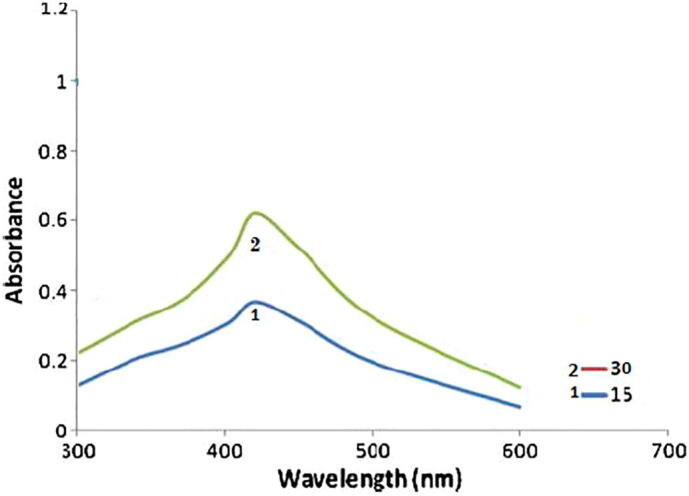
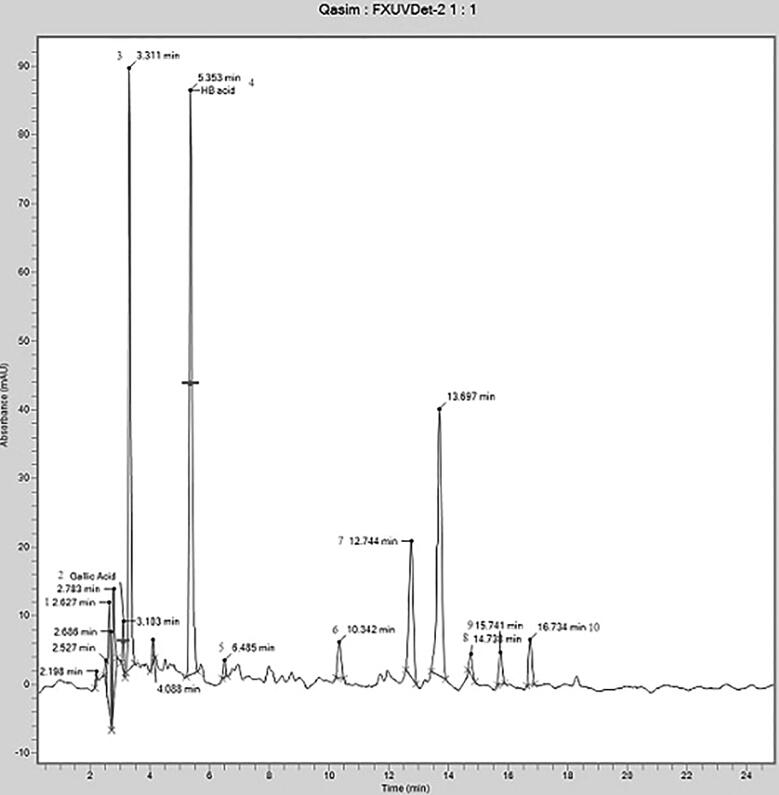
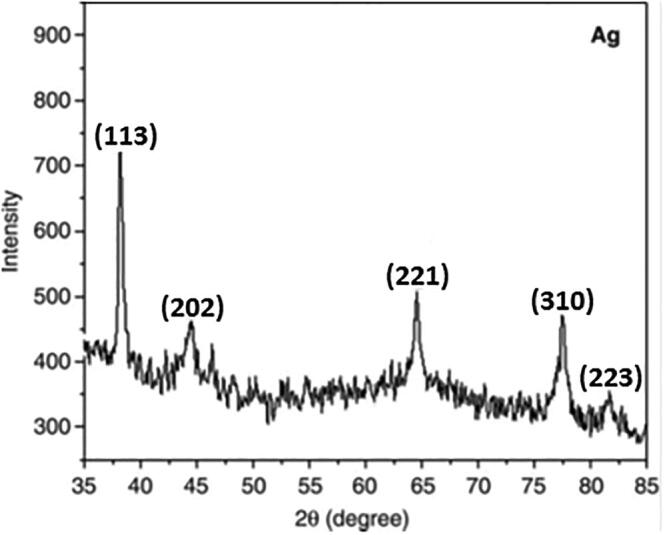
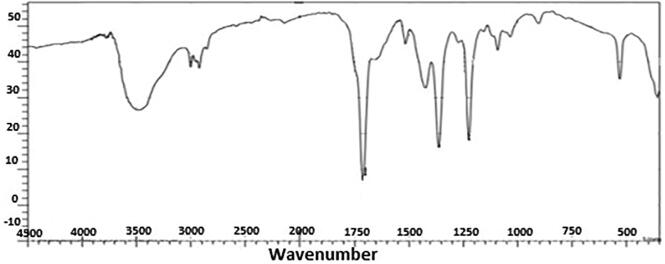
mosquitoes are the most important group of vectors that transmit pathogens, including arboviruses, and cause human diseases such as dengue fever, yellow fever, Zika virus, and Chikungunya. Biosynthesis and the use of green silver nanoparticles (AgNPs) is a vital step to identify reliable and eco-friendly controls for these vectors. In this study, (.) larvae (2nd and 3rd instar) were exposed to leaf extracts of (Castor) and AgNPs synthesized from the extract to evaluate their larvicidal potential. Synthesized AgNPs were characterized by UV-Vis spectroscopy, Fourier transform infrared spectroscopy (FTIR), and energy-dispersive X-ray spectroscopy (XRD). larvae were treated with different concentrations (50-250 ppm) of the leaf extract and synthesized AgNPs. There were five replicates per treatment, in addition to a positive (temephos) and negative control (dechlorinated water). Mortality was recorded after 12, 24, 36, and 48 h and the data were subjected to Probit analysis. The nanoparticles were more toxic (LC = 46.22 ppm and LC = 85.30 ppm) than the plant extract (106.24 and 175.73 ppm, respectively). The leaf extracts of were subjected to HPLC analysis to identify their chemical constituents. This study suggests that plant extracts and synthesized nanoparticles are excellent alternatives to hazardous chemical pesticides used to control vector mosquitoes. This is a potentially useful technique that can reduce aquatic toxicity from insecticide use.
蚊子是传播病原体(包括虫媒病毒)的最重要的病媒群体,可引发登革热、黄热病、寨卡病毒和基孔肯雅热等人类疾病。绿色银纳米颗粒(AgNPs)的生物合成及应用是确定针对这些病媒的可靠且环保控制方法的关键步骤。在本研究中,将蓖麻叶提取物及由该提取物合成的AgNPs用于处理致倦库蚊幼虫(二龄和三龄),以评估其杀幼虫潜力。通过紫外可见光谱、傅里叶变换红外光谱(FTIR)和能量色散X射线光谱(XRD)对合成的AgNPs进行表征。用不同浓度(50 - 250 ppm)的叶提取物和合成的AgNPs处理幼虫。除阳性对照(杀螟硫磷)和阴性对照(去氯水)外,每个处理设置五个重复。在12、24、36和48小时后记录死亡率,并对数据进行概率分析。纳米颗粒的毒性更强(LC₅₀ = 46.22 ppm和LC₉₀ = 85.30 ppm),高于植物提取物(分别为106.24和175.73 ppm)。对蓖麻叶提取物进行高效液相色谱分析以鉴定其化学成分。本研究表明,植物提取物和合成纳米颗粒是用于控制病媒蚊子的有害化学杀虫剂的极佳替代品。这是一项潜在有用的技术,可降低杀虫剂使用对水生生物的毒性。