Soybean Research Institute, National Center for Soybean Improvement, Key Laboratory of Biology and Genetic Improvement of Soybean (General, Ministry of Agriculture), State Key Laboratory of Crop Genetics and Germplasm Enhancement, Jiangsu Collaborative Innovation Center for Modern Crop Production, College of Agriculture, Nanjing Agricultural University, Nanjing, 210095,, China.
BMC Plant Biol. 2020 Sep 5;20(1):415. doi: 10.1186/s12870-020-02636-5.
GRAS proteins are crucial transcription factors, which are plant-specific and participate in various plant biological processes. Thanks to the rapid progress of the whole genome sequencing technologies, the GRAS gene families in different plants have been broadly explored and studied. However, comprehensive research on the soybean (Glycine max) GRAS gene family is relatively lagging.
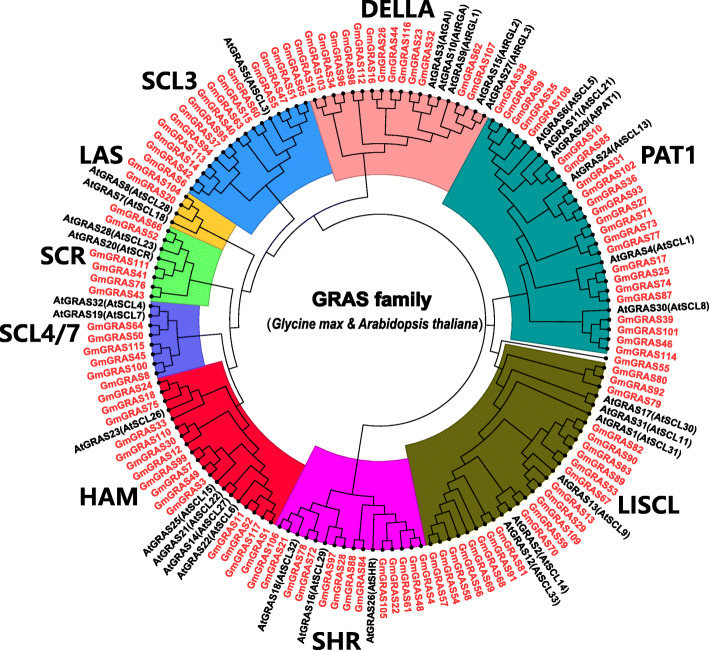
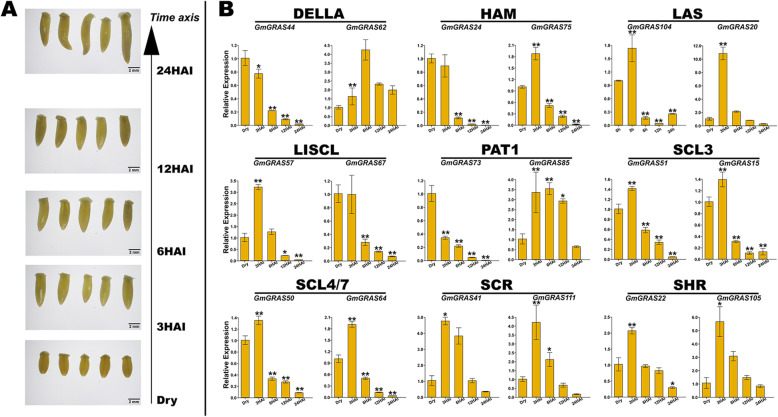
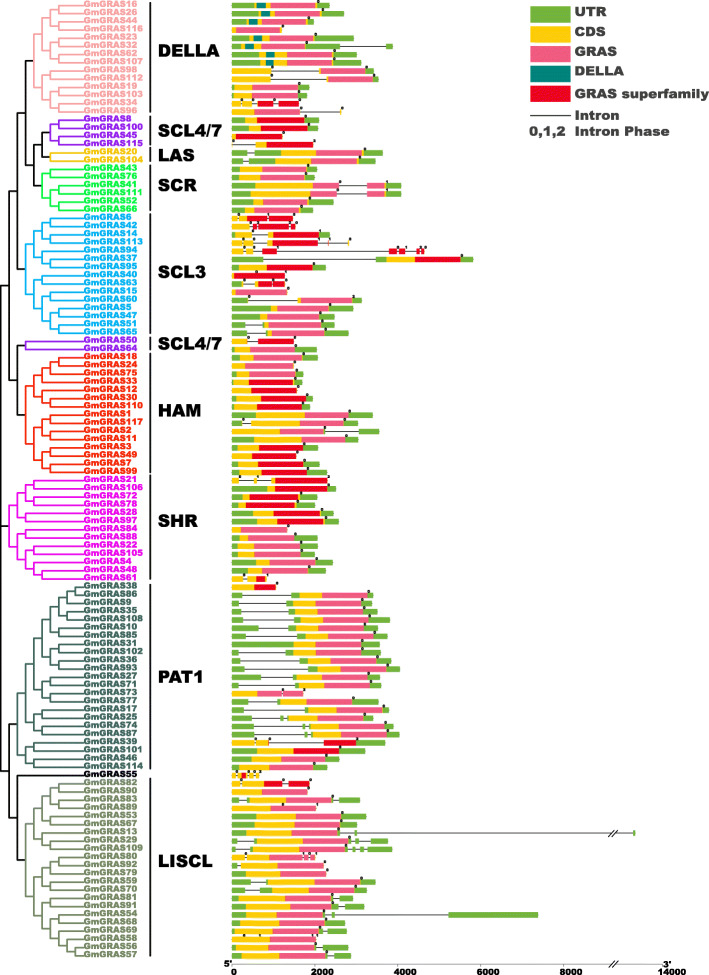
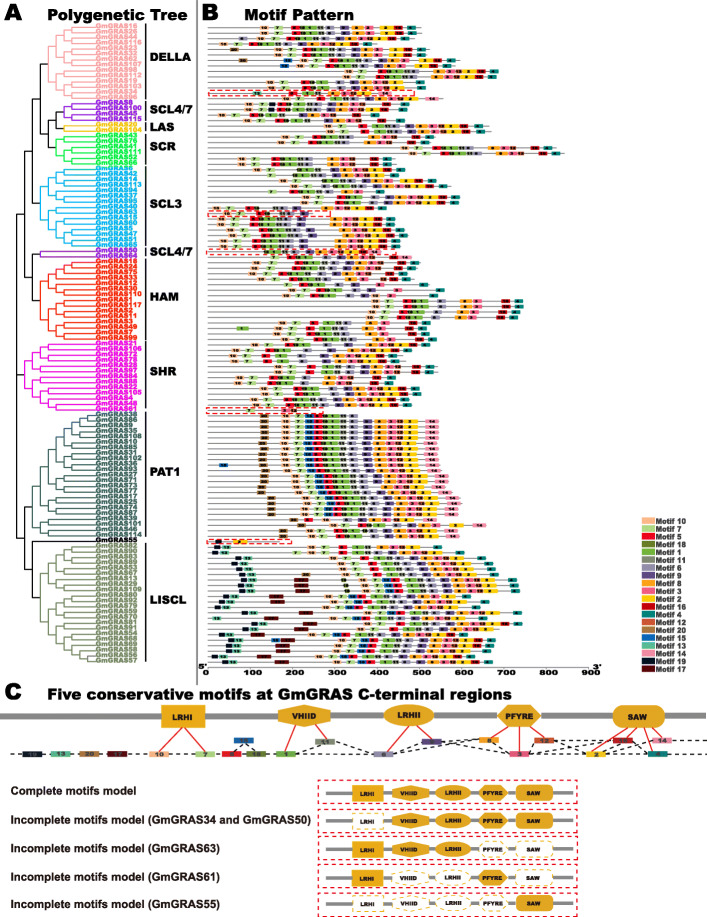
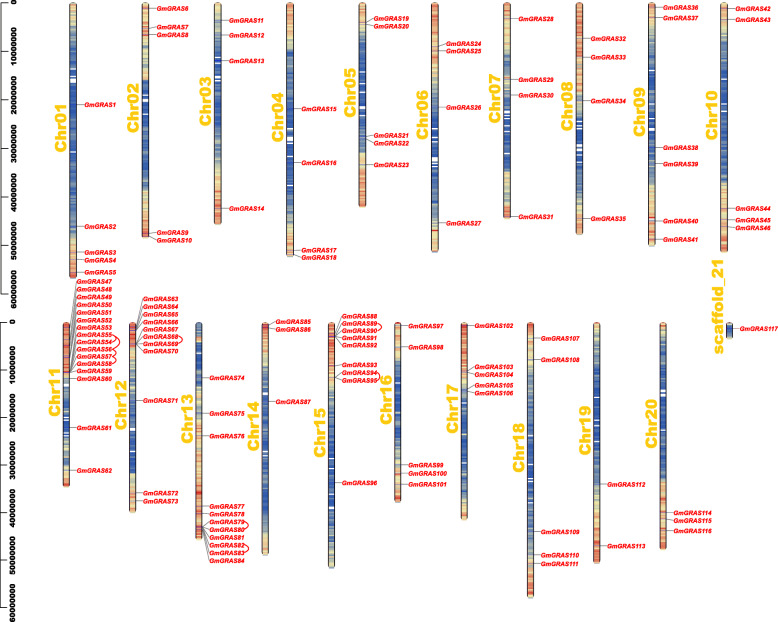
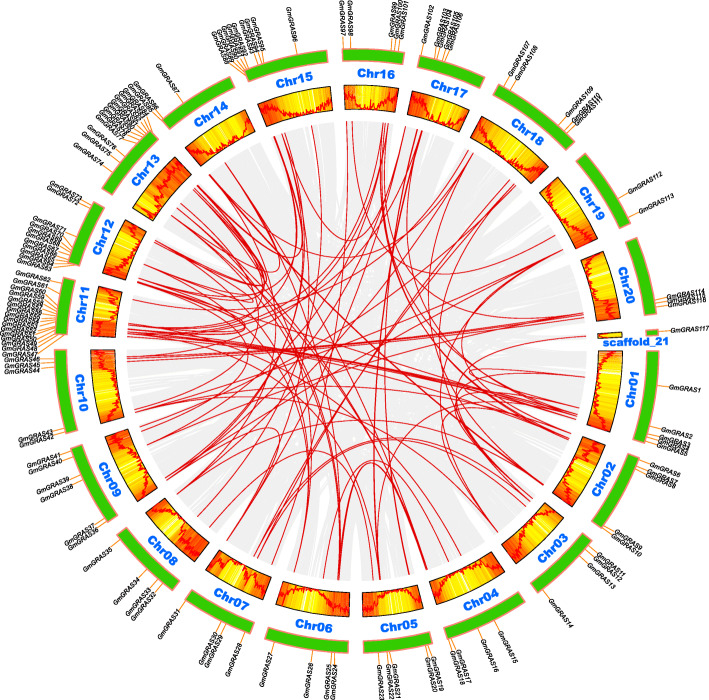
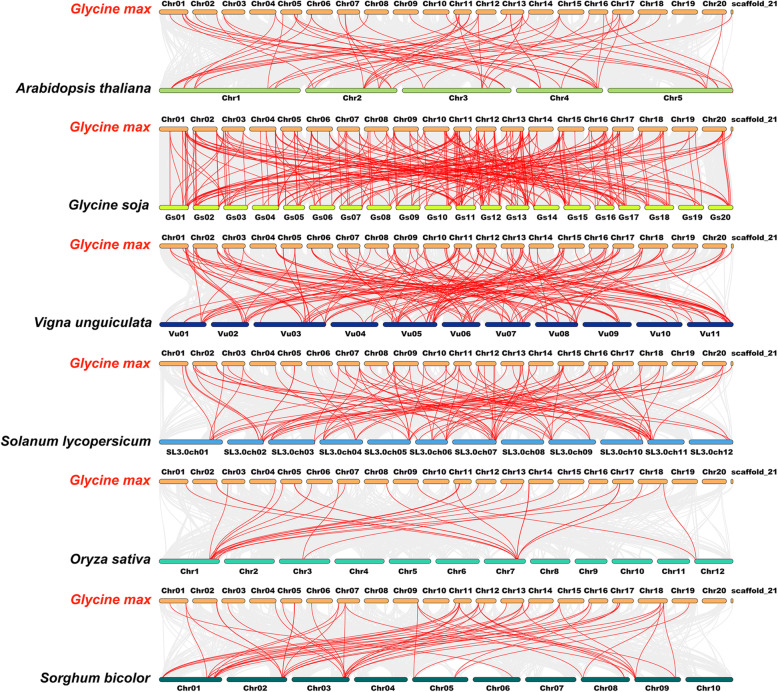
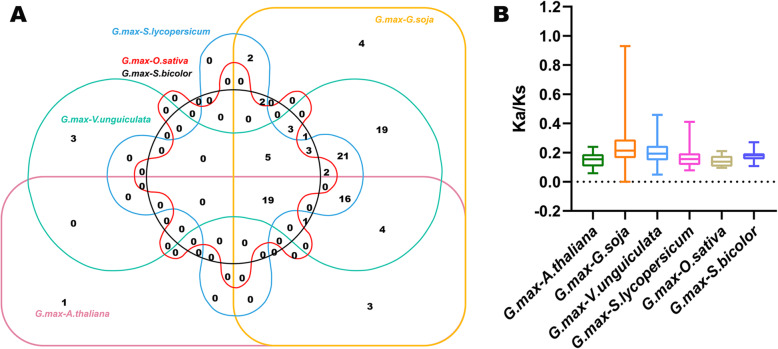
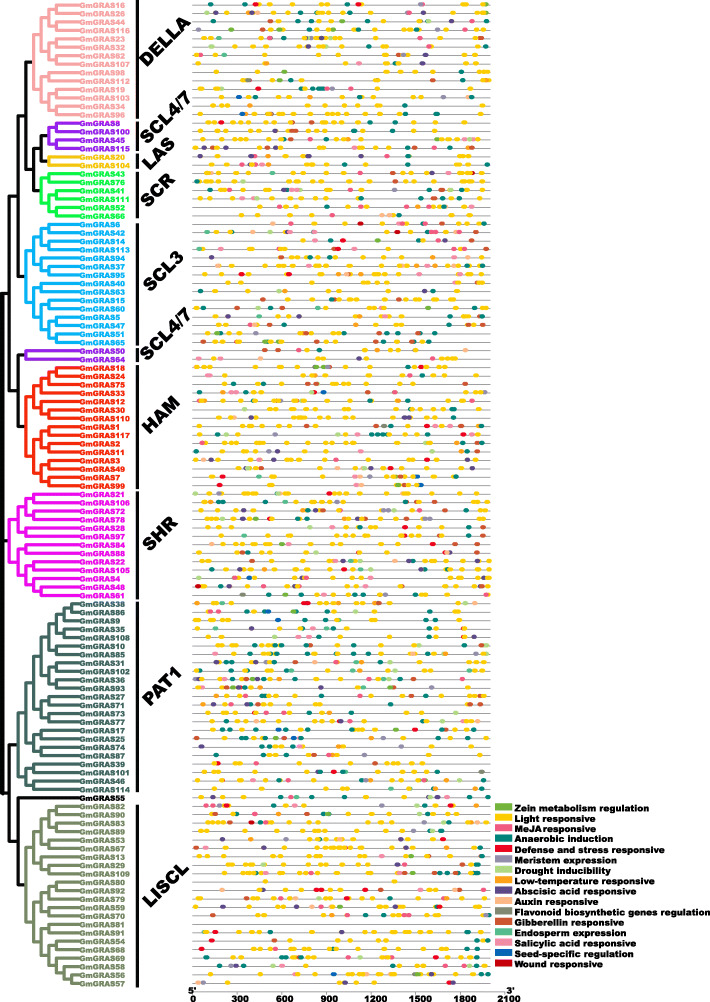
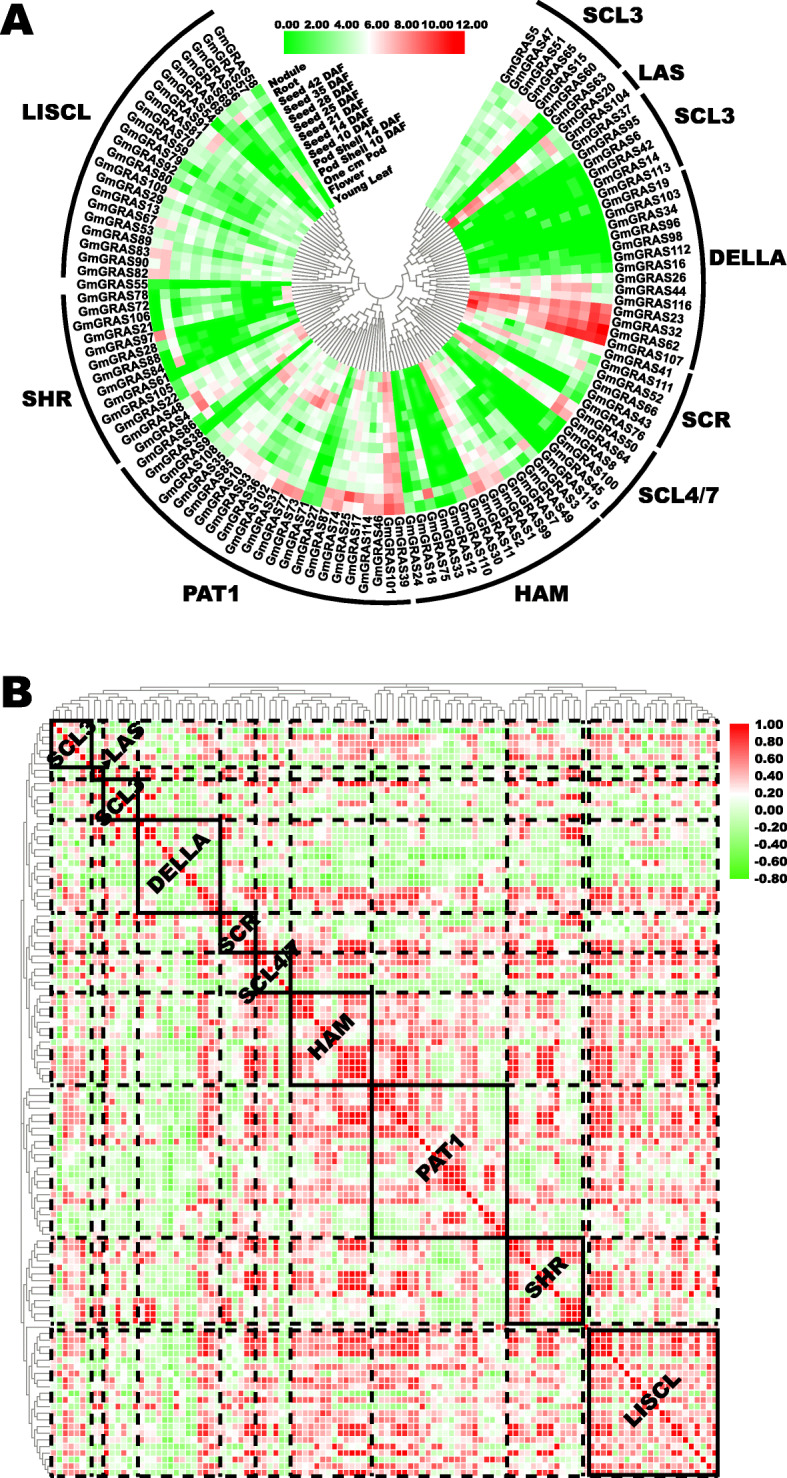
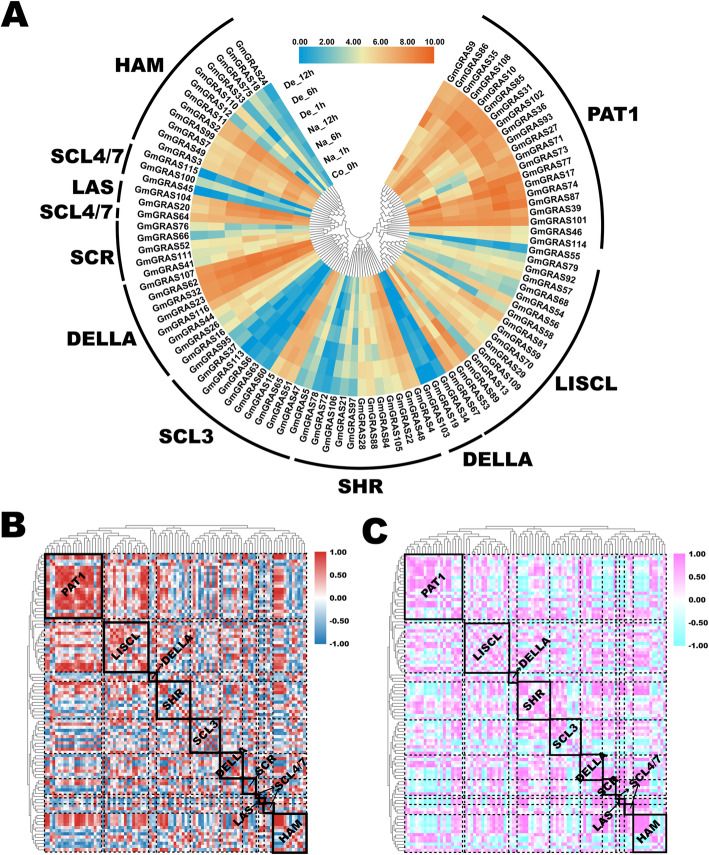
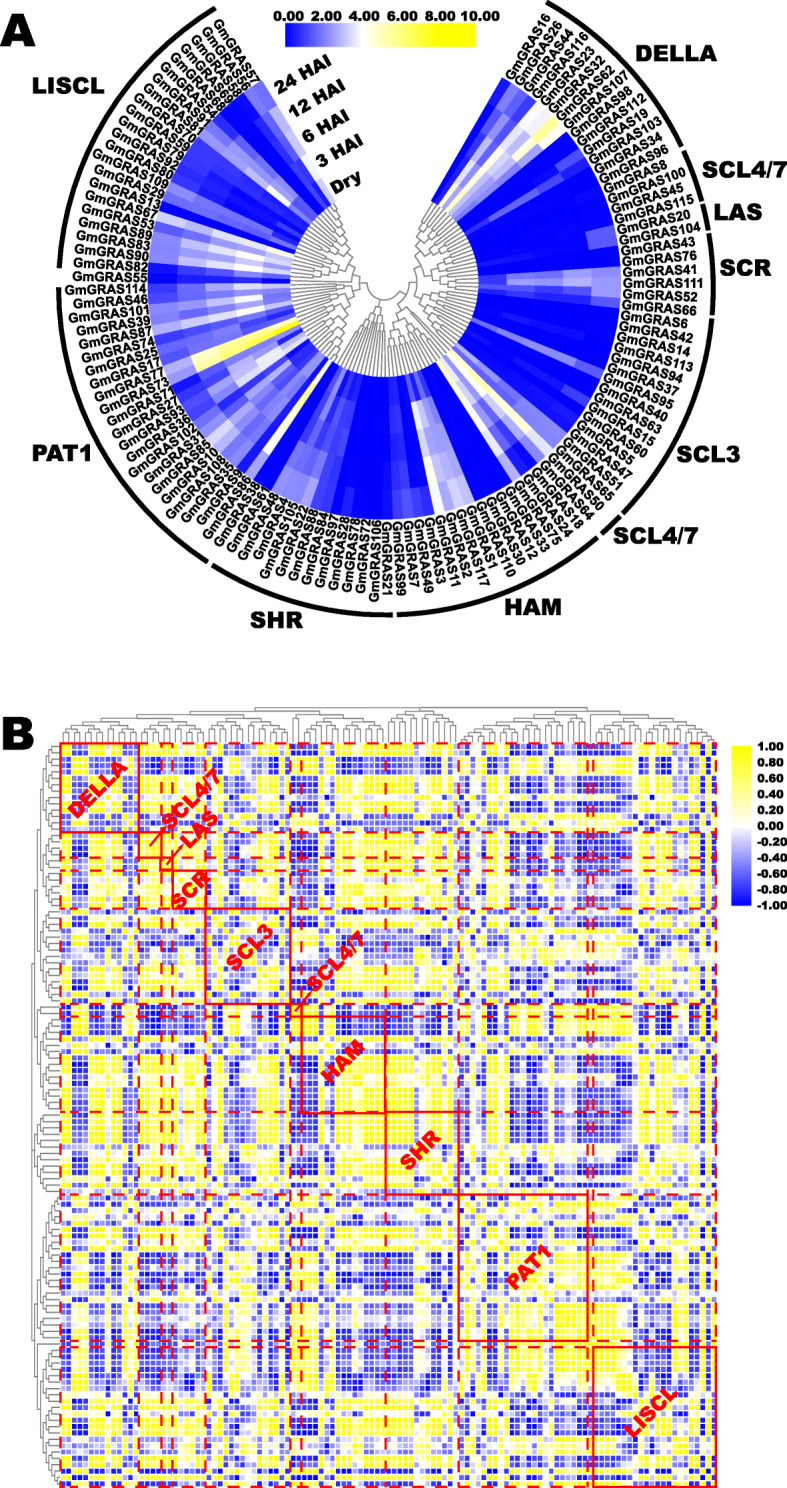
In this study, 117 Glycine max GRAS genes (GmGRAS) were identified. Further phylogenetic analyses showed that the GmGRAS genes could be categorized into nine gene subfamilies: DELLA, HAM, LAS, LISCL, PAT1, SCL3, SCL4/7, SCR and SHR. Gene structure analyses turned out that the GmGRAS genes lacked introns and were relatively conserved. Conserved domains and motif patterns of the GmGRAS members in the same subfamily or clade exhibited similarities. Notably, the expansion of the GmGRAS gene family was driven both by gene tandem and segmental duplication events. Whereas, segmental duplications took the major role in generating new GmGRAS genes. Moreover, the synteny and evolutionary constraints analyses of the GRAS proteins among soybean and distinct species (two monocots and four dicots) provided more detailed evidence for GmGRAS gene evolution. Cis-element analyses indicated that the GmGRAS genes may be responsive to diverse environmental stresses and regulate distinct biological processes. Besides, the expression patterns of the GmGRAS genes were varied in various tissues, during saline and dehydration stresses and during seed germination processes.
We conducted a systematic investigation of the GRAS genes in soybean, which may be valuable in paving the way for future GmGRAS gene studies and soybean breeding.
GRAS 蛋白是至关重要的转录因子,具有植物特异性,参与各种植物的生物学过程。得益于全基因组测序技术的快速发展,不同植物的 GRAS 基因家族已经得到了广泛的探索和研究。然而,大豆(Glycine max)GRAS 基因家族的综合研究相对滞后。
本研究鉴定了 117 个大豆 GRAS 基因(GmGRAS)。进一步的系统发育分析表明,GmGRAS 基因可分为九个基因亚家族:DELLA、HAM、LAS、LISCL、PAT1、SCL3、SCL4/7、SCR 和 SHR。基因结构分析表明,GmGRAS 基因缺乏内含子,相对保守。同一亚家族或分支的 GmGRAS 成员的保守结构域和基序模式表现出相似性。值得注意的是,GmGRAS 基因家族的扩张是由基因串联和片段重复事件驱动的。然而,片段重复在产生新的 GmGRAS 基因方面起着主要作用。此外,大豆和不同物种(两种单子叶植物和四种双子叶植物)之间的 GRAS 蛋白的同线性和进化约束分析为 GmGRAS 基因进化提供了更详细的证据。顺式作用元件分析表明,GmGRAS 基因可能对各种环境胁迫做出响应,并调节不同的生物学过程。此外,GmGRAS 基因在不同组织中的表达模式在盐胁迫和干旱胁迫以及种子萌发过程中存在差异。
我们对大豆中的 GRAS 基因进行了系统研究,这可能为未来的 GmGRAS 基因研究和大豆育种提供有价值的信息。