D'Angiolella Gabriella, Tozzo Pamela, Gino Sarah, Caenazzo Luciana
Department of Cardiac, Thoracic, Vascular Sciences and Public Health, University of Padova, 35121 Padova, Italy.
Department of Molecular Medicine, Laboratory of Forensic Genetics, University of Padova, Via Falloppio 50, 35121 Padova, Italy.
Microorganisms. 2020 Sep 29;8(10):1501. doi: 10.3390/microorganisms8101501.
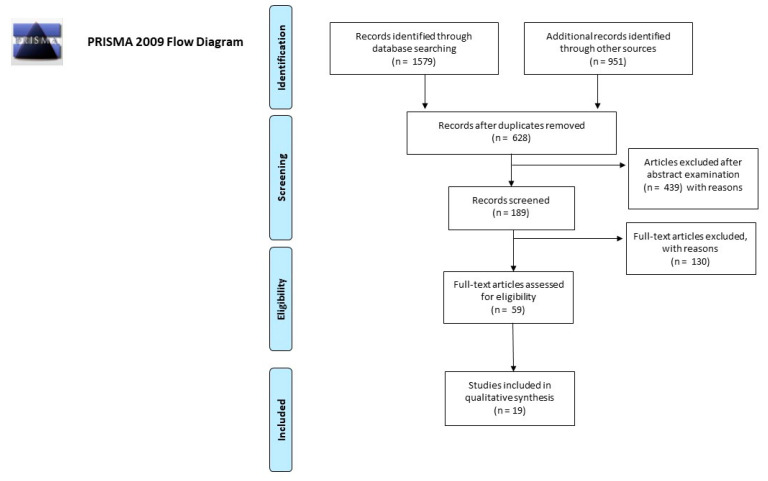
The oral microbiome harbours microbial community signatures that differ among individuals, highlighting that it could be highly individualizing and potentially unique to each individual. Therefore, the oral microbial traces collected in crime scenes could produce investigative leads. This narrative review will describe the current state-of-the-art of how the salivary microbiome could be exploited as a genetic signature to make inferences in the forensic field. This review has been performed following the Preferred Reporting Items for Systematic Reviews and Meta-Analyses (PRISMA) Guidelines. Even if further studies are needed to relate the variation in the oral microbiome to specific factors, in order to understand how the salivary microbiome is influenced by an individual's lifestyle, by reviewing the studies published so far, it is clear that the oral microbial analysis could become a useful forensic tool. Even if promising, caution is required in interpreting the results and an effort to direct research towards studies that fill the current knowledge gaps is certainly useful.
口腔微生物群具有个体间不同的微生物群落特征,这表明它可能具有高度个体化且可能对每个个体都是独特的。因此,在犯罪现场收集的口腔微生物痕迹可能会产生调查线索。这篇叙述性综述将描述唾液微生物群如何作为一种基因特征在法医领域进行推断的当前最新情况。本综述是按照系统评价和荟萃分析的首选报告项目(PRISMA)指南进行的。即使需要进一步研究将口腔微生物群的变化与特定因素联系起来,以便了解唾液微生物群如何受到个体生活方式的影响,但通过回顾迄今为止发表的研究,很明显口腔微生物分析可能会成为一种有用的法医工具。即使前景乐观,但在解释结果时仍需谨慎,努力将研究导向填补当前知识空白的研究肯定是有益的。