Institute of Bioengineering and Global Health Institute, School of Life Sciences, Ecole Polytechnique Fédérale de Lausanne, Lausanne, Switzerland.
Elife. 2020 Oct 7;9:e56533. doi: 10.7554/eLife.56533.
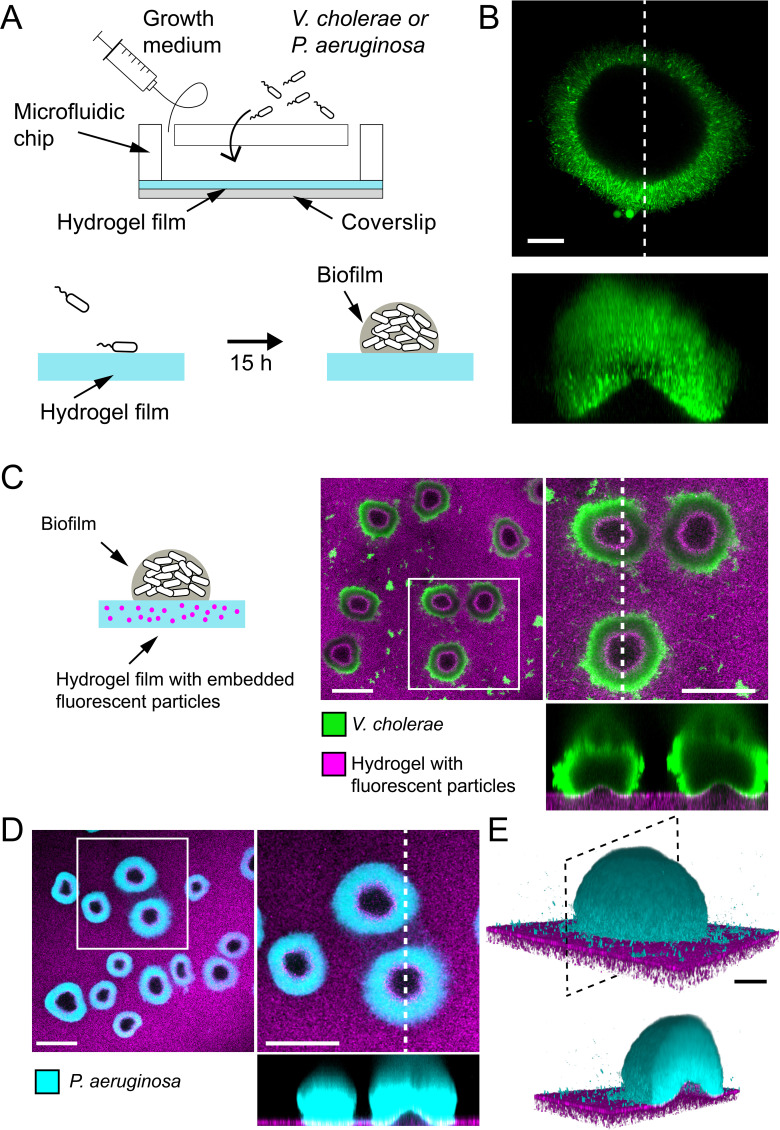
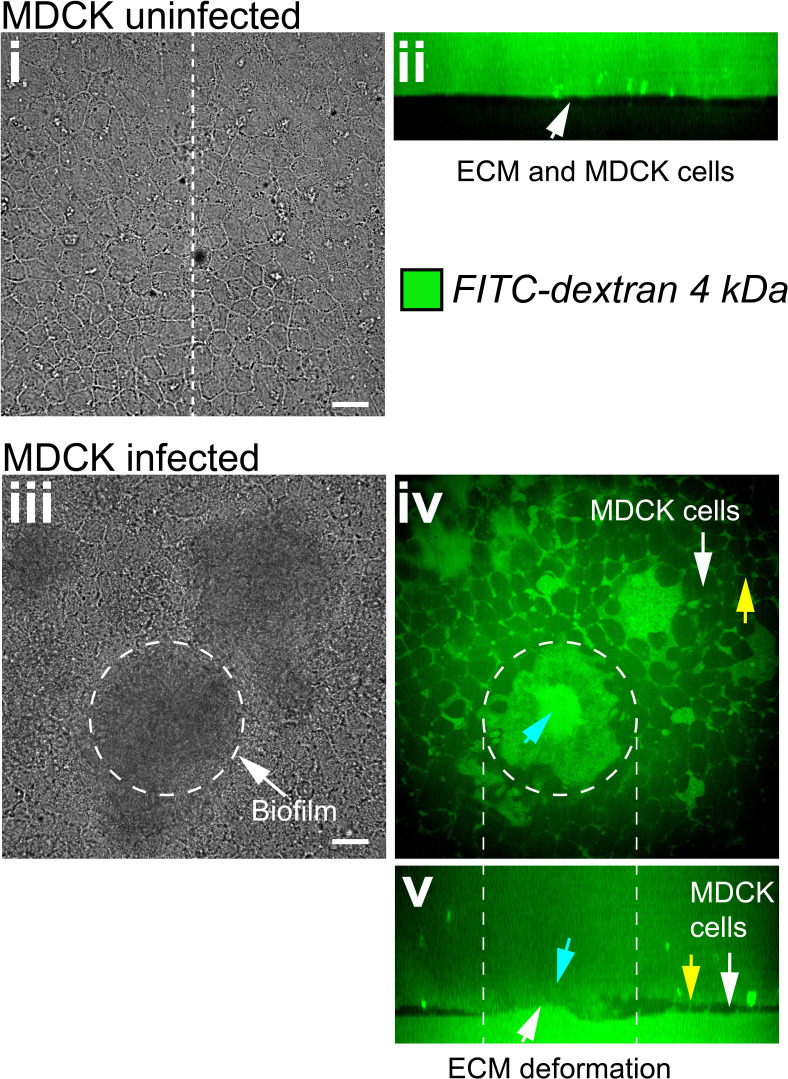
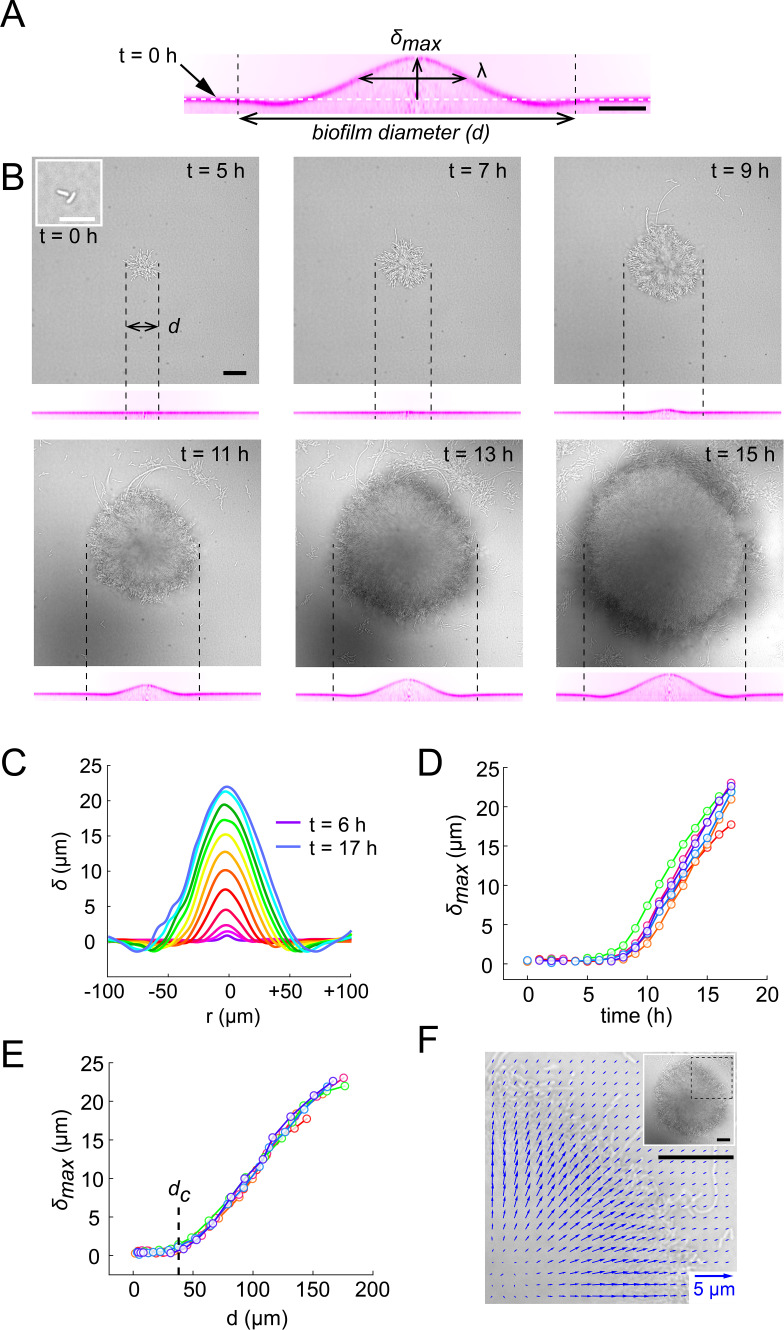
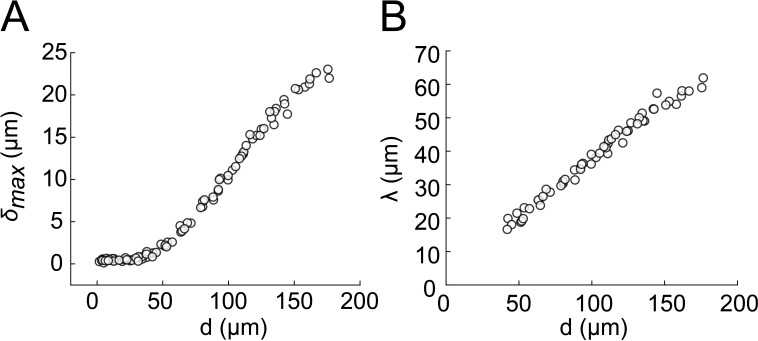
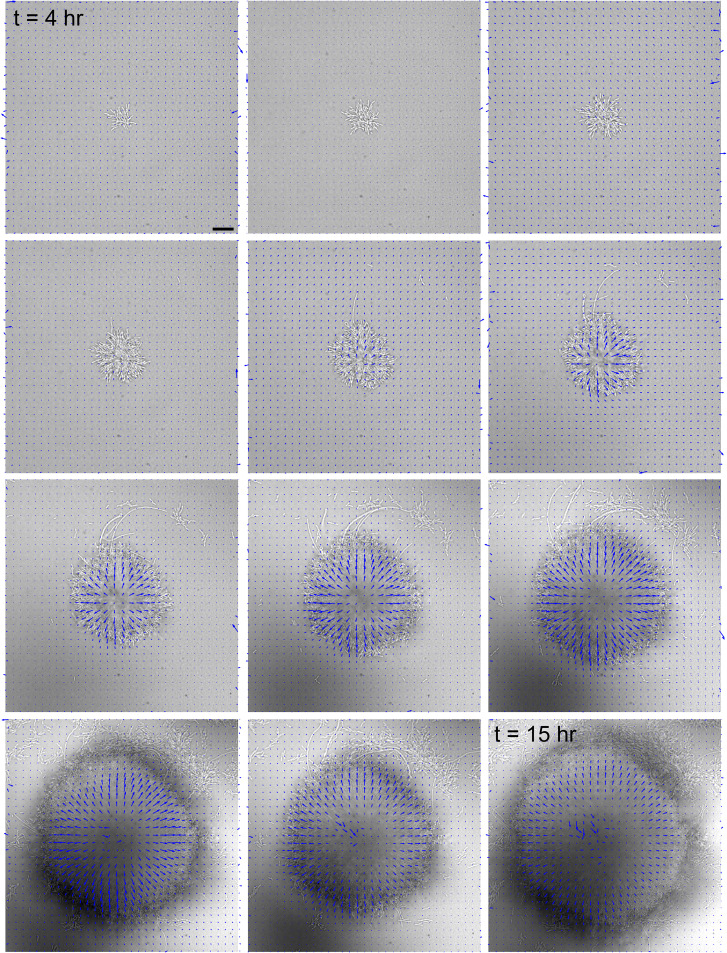
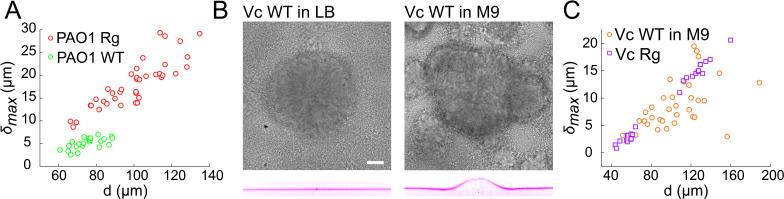
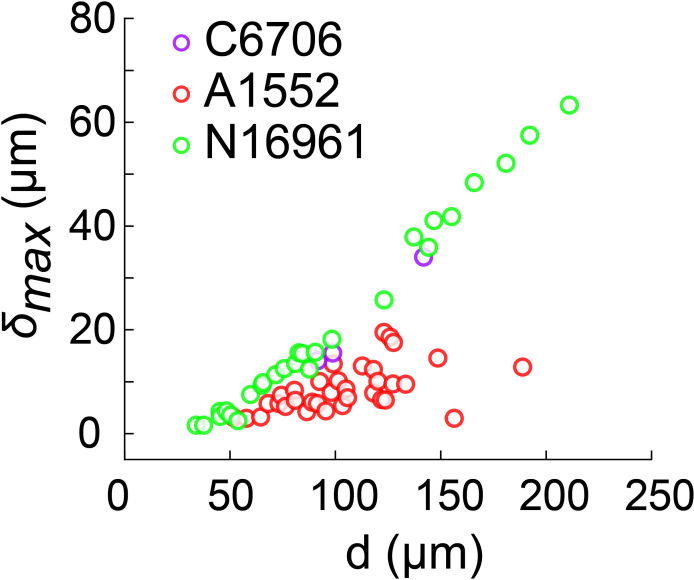
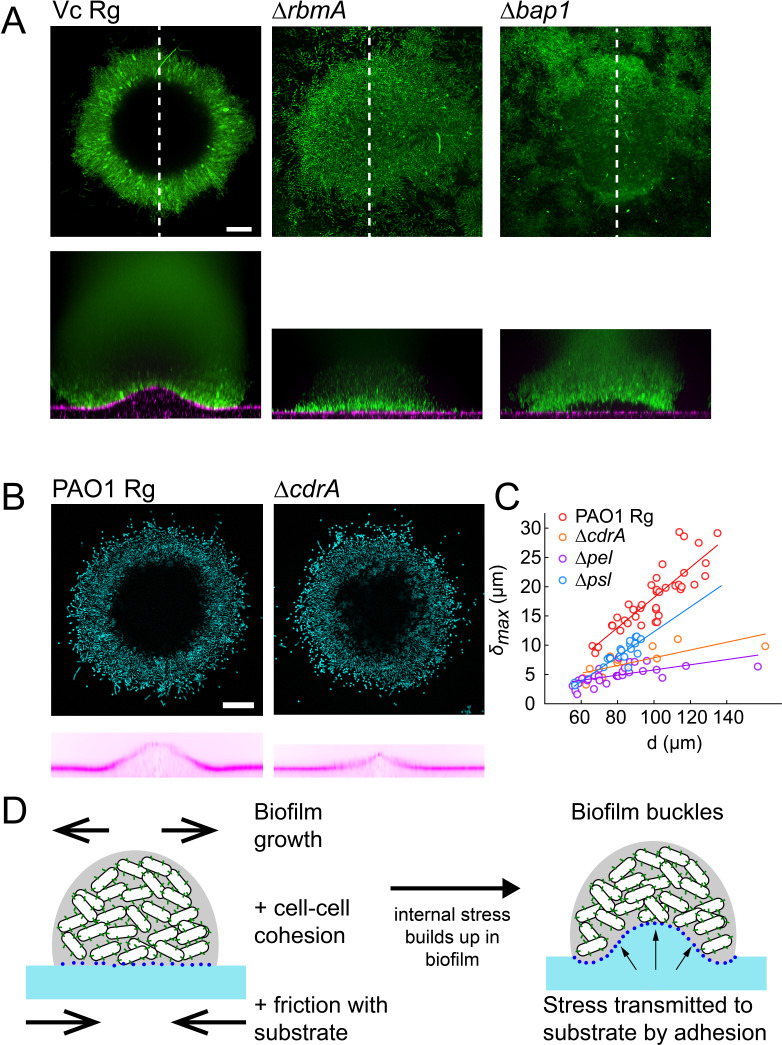
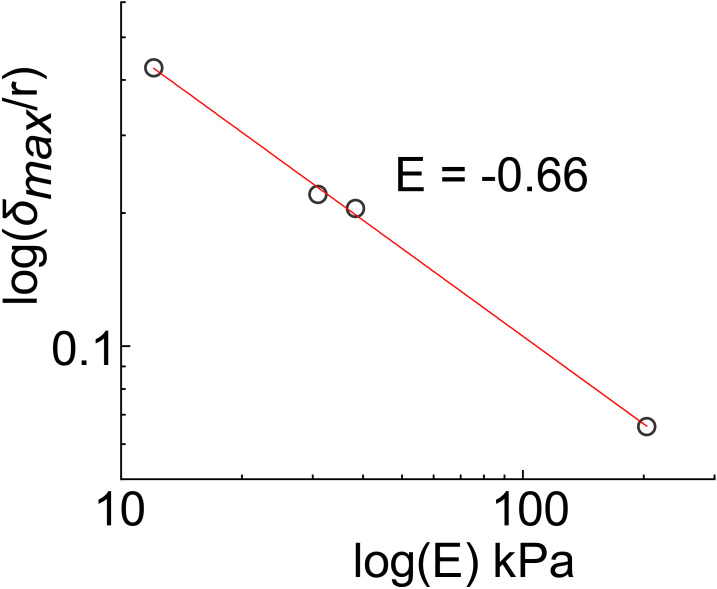
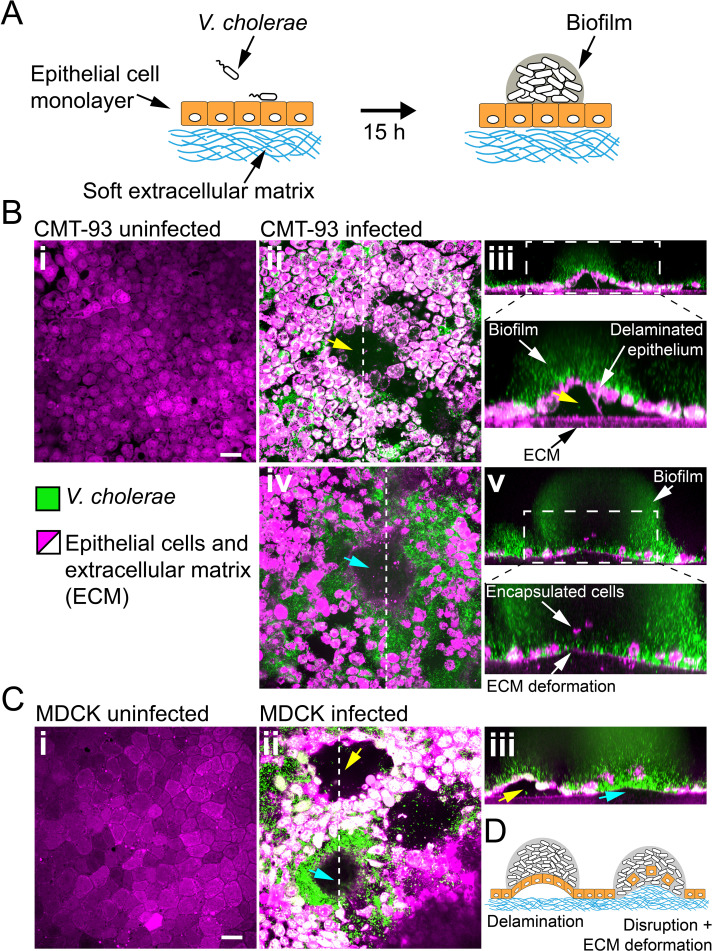
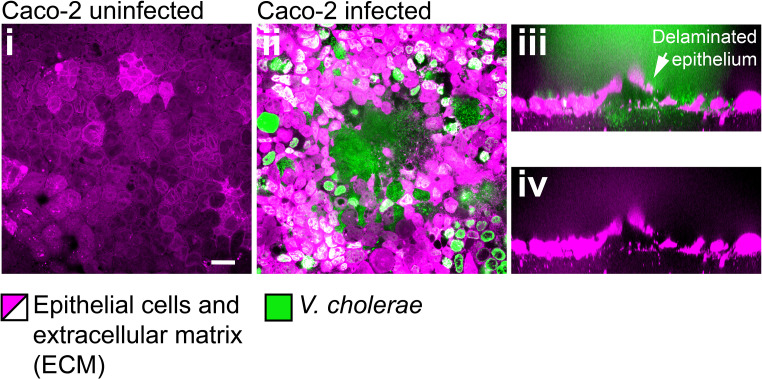
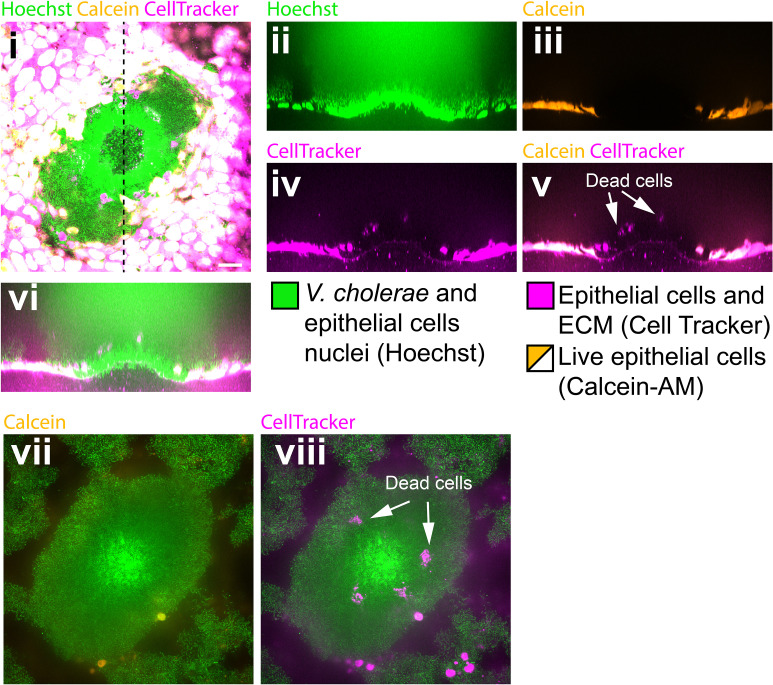
During chronic infections and in microbiota, bacteria predominantly colonize their hosts as multicellular structures called biofilms. A common assumption is that biofilms exclusively interact with their hosts biochemically. However, the contributions of mechanics, while being central to the process of biofilm formation, have been overlooked as a factor influencing host physiology. Specifically, how biofilms form on soft, tissue-like materials remains unknown. Here, we show that biofilms of the pathogens and can induce large deformations of soft synthetic hydrogels. Biofilms buildup internal mechanical stress as single cells grow within the elastic matrix. By combining mechanical measurements and mutations in matrix components, we found that biofilms deform by buckling, and that adhesion transmits these forces to their substrates. Finally, we demonstrate that biofilms can generate sufficient mechanical stress to deform and even disrupt soft epithelial cell monolayers, suggesting a mechanical mode of infection.
在慢性感染和微生物群中,细菌主要以生物膜的形式作为多细胞结构定植在其宿主上。一个常见的假设是,生物膜仅与宿主进行生化相互作用。然而,尽管力学在生物膜形成过程中起着核心作用,但它作为影响宿主生理学的一个因素一直被忽视。具体来说,生物膜如何在柔软的类似组织的材料上形成仍然未知。在这里,我们表明病原体 和 可以诱导柔软的合成水凝胶发生大变形。生物膜中的单个细胞在弹性基质中生长时会积累内部机械应力。通过结合力学测量和基质成分的突变,我们发现生物膜通过屈曲发生变形,并且附着将这些力传递到它们的基底上。最后,我们证明 生物膜可以产生足够的机械应力来使柔软的上皮细胞单层发生变形甚至破坏,这表明了一种感染的力学模式。