College of Pharmacy, Chonnam National University, 77 Yongbong-ro, Buk-gu, Gwangju 61186, Korea.
Department of Biomedical Sciences, Chonnam National University Medical School, 322 Seoyang-ro, Hwasun 58128, Korea.
Int J Mol Sci. 2020 Oct 5;21(19):7363. doi: 10.3390/ijms21197363.
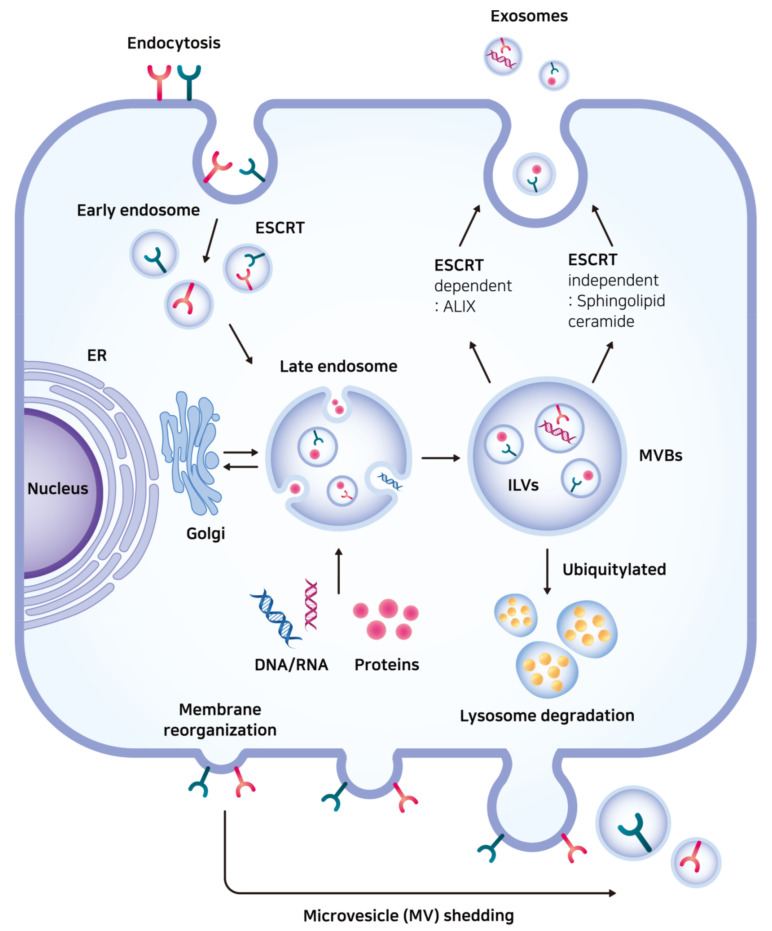
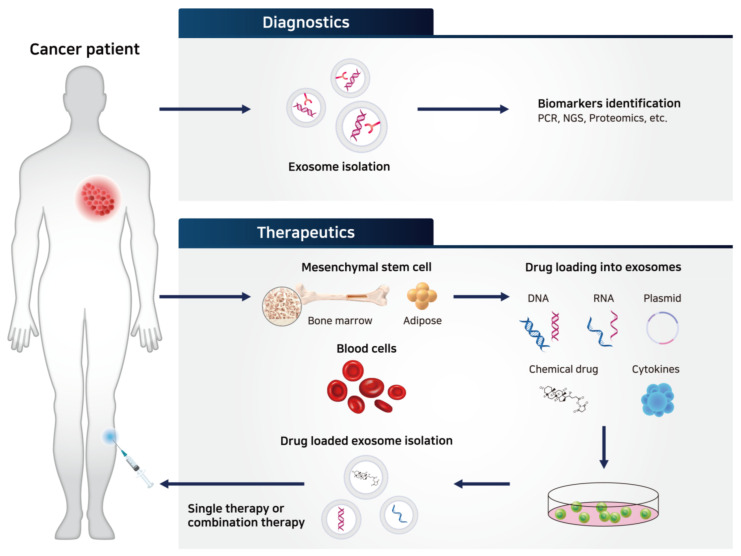
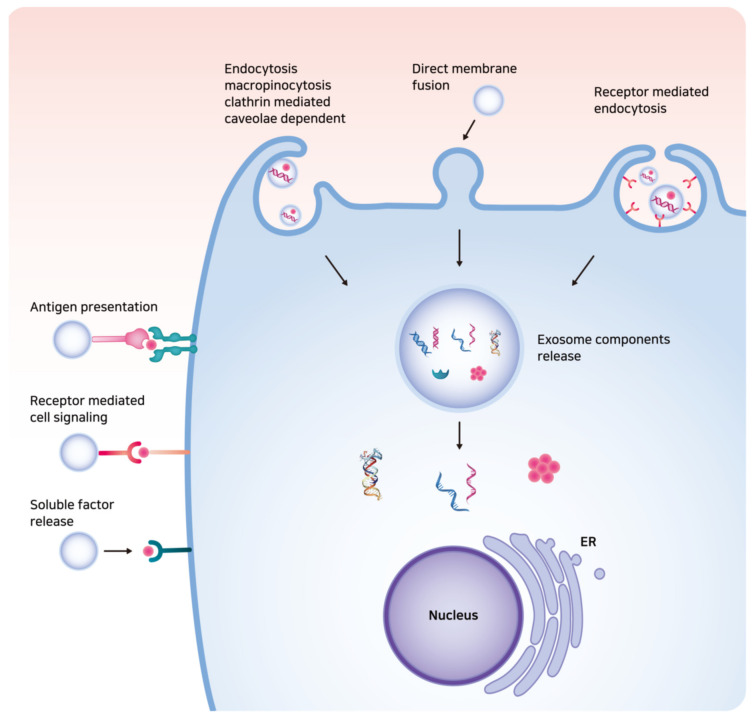
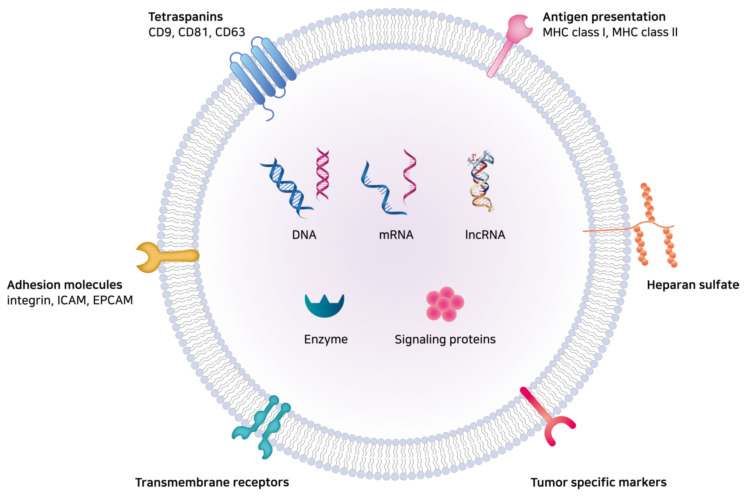
Cancer therapeutics must be delivered to their targets for improving efficacy and reducing toxicity, though they encounter physiological barriers in the tumor microenvironment. They also face limitations associated with genetic instability and dynamic changes of surface proteins in cancer cells. Nanosized exosomes generated from the endosomal compartment, however, transfer their cargo to the recipient cells and mediate the intercellular communication, which affects malignancy progression, tumor immunity, and chemoresistance. In this review, we give an overview of exosomes' biological aspects and therapeutic potential as diagnostic biomarkers and drug delivery vehicles for oncotherapy. Furthermore, we discuss whether exosomes could contribute to personalized cancer immunotherapy drug design as efficient nanocommunicators.
癌症治疗药物必须作用于其靶点才能提高疗效和降低毒性,但它们在肿瘤微环境中会遇到生理障碍。此外,它们还面临着与遗传不稳定性和癌细胞表面蛋白动态变化相关的限制。然而,从内体区室产生的纳米级外泌体将其货物转移到受体细胞,并介导细胞间通讯,从而影响恶性肿瘤进展、肿瘤免疫和化疗耐药性。在这篇综述中,我们概述了外泌体作为诊断生物标志物和癌症治疗药物递送载体的生物学特性和治疗潜力。此外,我们还讨论了外泌体是否可以作为有效的纳米通讯器,为个性化癌症免疫治疗药物设计做出贡献。