Genomic Division, National Institute of Agriculture Science, Rural Development Administration , Jeonju, Republic of Korea.
Department of Soil Science and Agricultural Chemistry, Acharya Narendra Dev University of Agriculture and Technology, Kumarganj, Ayodhya, India.
GM Crops Food. 2021 Jan 2;12(1):125-144. doi: 10.1080/21645698.2020.1831729.
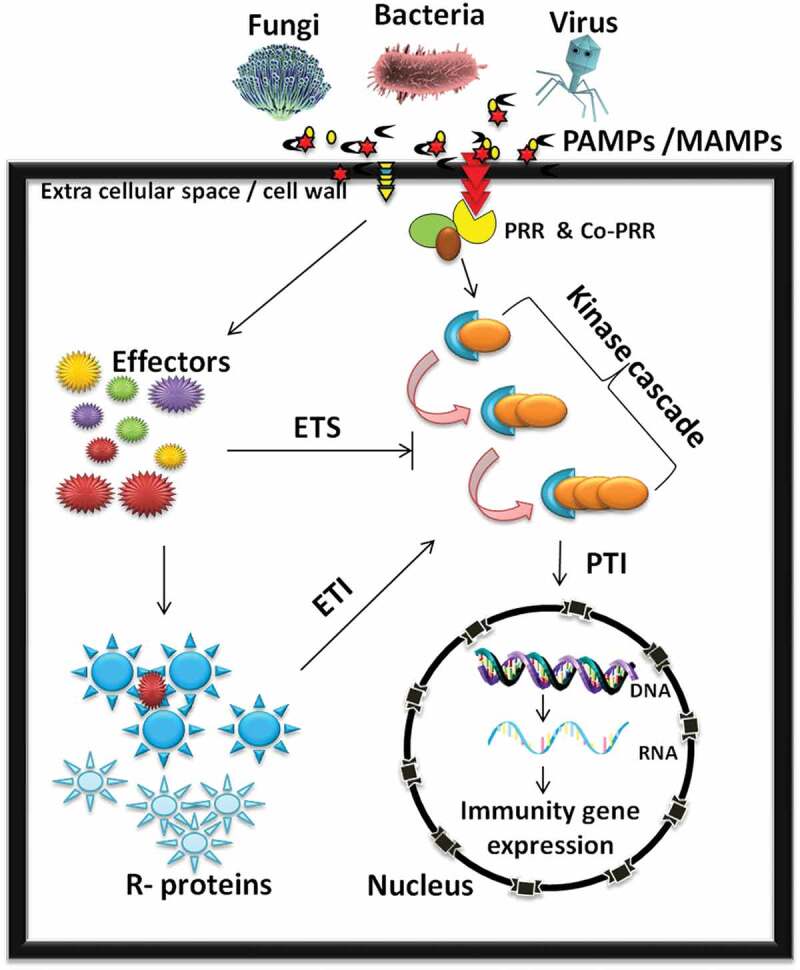
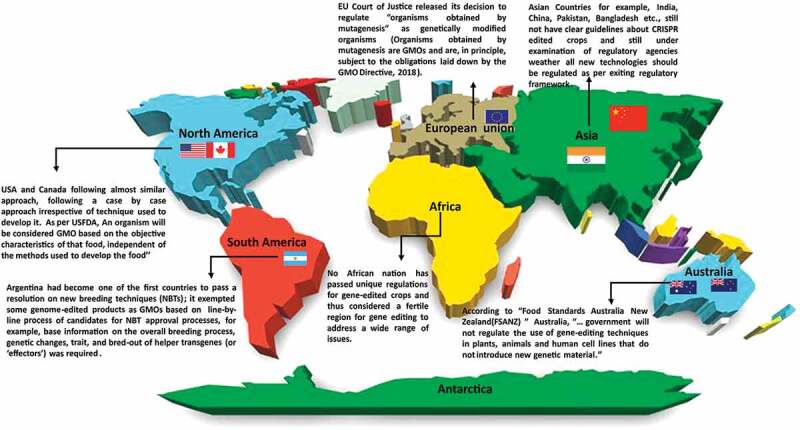
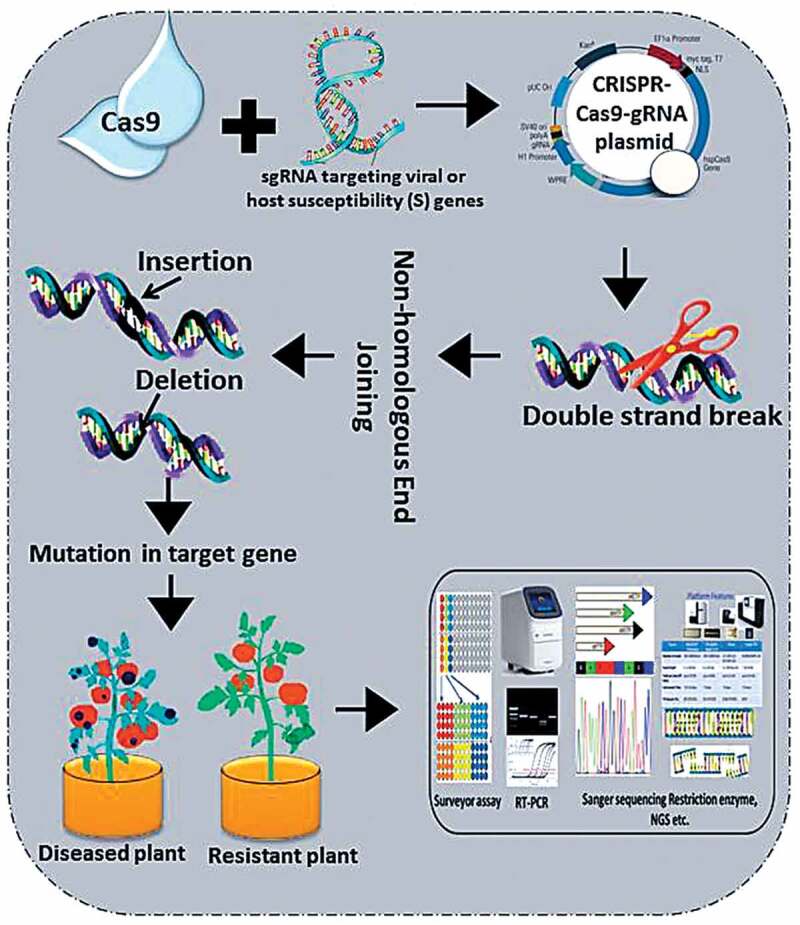
Plants are susceptible to phytopathogens, including bacteria, fungi, and viruses, which cause colossal financial shortfalls (pre- and post-harvest) and threaten global food safety. To combat with these phytopathogens, plant possesses two-layer of defense in the form of PAMP-triggered immunity (PTI), or Effectors-triggered immunity (ETI). The understanding of plant-molecular interactions and revolution of high-throughput molecular techniques have opened the door for innovations in developing pathogen-resistant plants. In this context, Clustered Regularly Interspaced Short Palindromic Repeats (CRISPR)-CRISPR-associated protein 9 (Cas9) has transformed genome editing (GE) technology and being harnessed for altering the traits. Here we have summarized the complexities of plant immune system and the use of CRISPR-Cas9 to edit the various components of plant immune system to acquire long-lasting resistance in plants against phytopathogens. This review also sheds the light on the limitations of CRISPR-Cas9 system, regulation of CRISPR-Cas9 edited crops and future prospective of this technology.
植物易受植物病原体的侵害,包括细菌、真菌和病毒,这些病原体造成巨大的经济损失(收获前和收获后),并威胁到全球食品安全。为了对抗这些植物病原体,植物以模式触发免疫(PTI)或效应物触发免疫(ETI)的形式拥有两层防御。对植物分子相互作用的理解和高通量分子技术的革命为开发抗病原体植物的创新打开了大门。在这种情况下,成簇规律间隔短回文重复(CRISPR)-CRISPR 相关蛋白 9(Cas9)改变了基因组编辑(GE)技术,并被用于改变性状。在这里,我们总结了植物免疫系统的复杂性,以及使用 CRISPR-Cas9 编辑植物免疫系统的各个组件,以在植物中获得针对植物病原体的持久抗性。本综述还阐述了 CRISPR-Cas9 系统的局限性、CRISPR-Cas9 编辑作物的调控以及该技术的未来前景。