College of Medicine & Health Sciences, Khalifa University, Abu Dhabi POB 12 77 88, UAE.
Herbert Wertheim College of Medicine, Florida International University, 11200 SW 8th St, Miami, FL 33199, USA.
Molecules. 2020 Oct 21;25(20):4866. doi: 10.3390/molecules25204866.
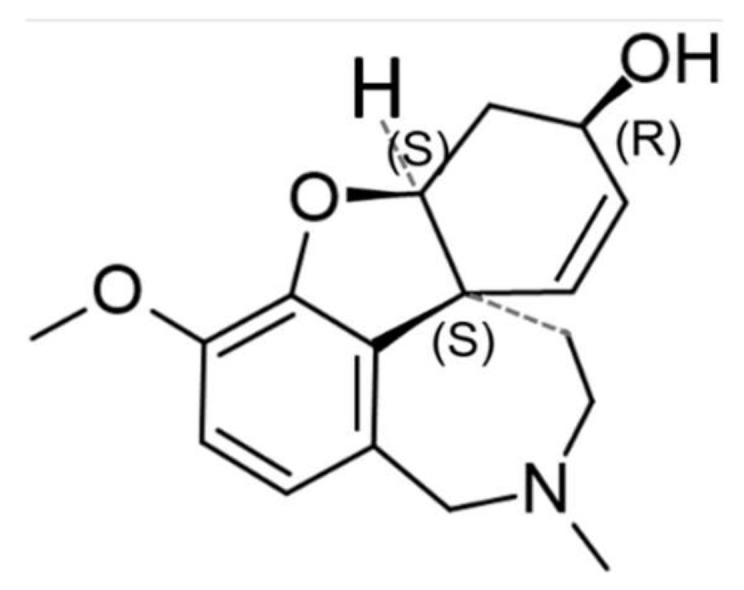
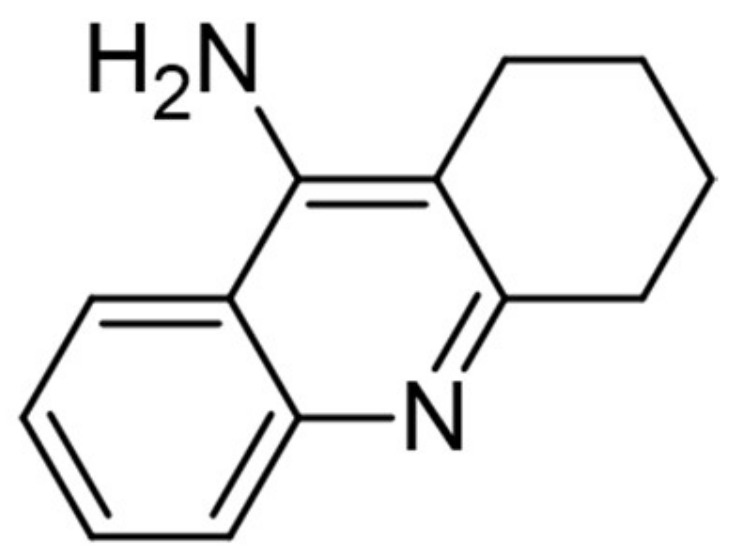
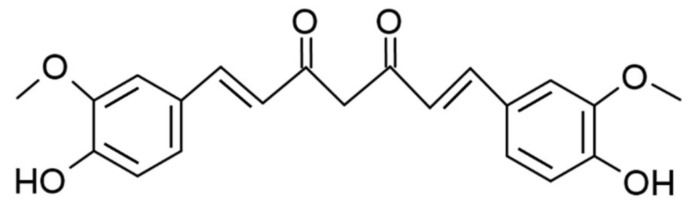
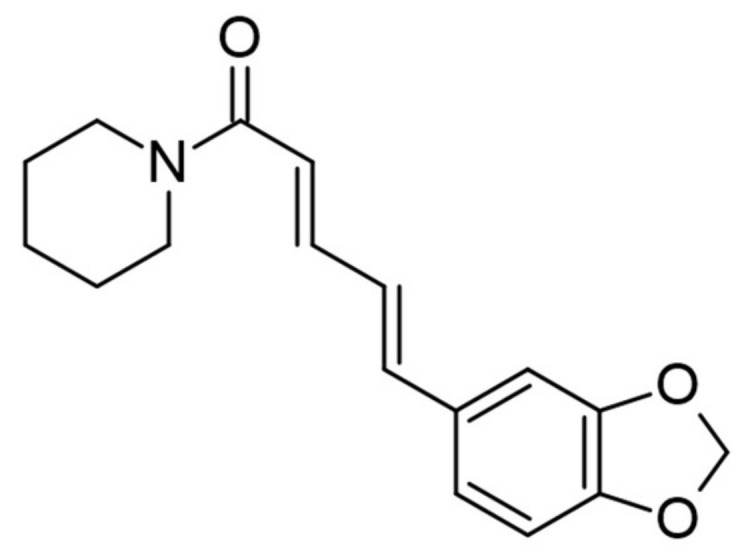
Alzheimer's disease (AD) is a progressive neurodegenerative disorder that affects more than 24 million people worldwide and represents an immense medical, social and economic burden. While a vast array of active pharmaceutical ingredients (API) is available for the prevention and possibly treatment of AD, applicability is limited by the selective nature of the blood-brain barrier (BBB) as well as by their severe peripheral side effects. A promising solution to these problems is the incorporation of anti-Alzheimer drugs in polymeric nanoparticles (NPs). However, while several polymeric NPs are nontoxic and biocompatible, many of them are not biodegradable and thus not appropriate for CNS-targeting. Among polymeric nanocarriers, chitosan-based NPs emerge as biodegradable yet stable vehicles for the delivery of CNS medications. Furthermore, due to their mucoadhesive character and intrinsic bioactivity, chitosan NPs can not only promote brain penetration of drugs via the olfactory route, but also act as anti-Alzheimer therapeutics themselves. Here we review how chitosan-based NPs could be used to address current challenges in the treatment of AD; with a specific focus on the enhancement of blood-brain barrier penetration of anti-Alzheimer drugs and on the reduction of their peripheral side effects.
阿尔茨海默病(AD)是一种进行性神经退行性疾病,影响着全球超过 2400 万人,给医疗、社会和经济带来了巨大负担。尽管有大量的活性药物成分(API)可用于预防和可能治疗 AD,但由于血脑屏障(BBB)的选择性以及其严重的外周副作用,其适用性受到限制。解决这些问题的一个有前途的方法是将抗 AD 药物纳入聚合物纳米颗粒(NPs)中。然而,虽然有几种聚合物 NPs 是无毒和生物相容的,但它们中的许多是不可生物降解的,因此不适合用于中枢神经系统(CNS)靶向。在聚合物纳米载体中,壳聚糖基 NPs 作为可生物降解且稳定的 CNS 药物递送载体脱颖而出。此外,由于其黏膜黏附特性和固有生物活性,壳聚糖 NPs 不仅可以通过嗅觉途径促进药物穿透大脑,而且还可以作为抗 AD 治疗剂本身发挥作用。在这里,我们回顾了壳聚糖基 NPs 如何用于解决 AD 治疗中的当前挑战;特别关注增强抗 AD 药物的血脑屏障穿透性和降低其外周副作用。