Department of Dermatology, National Cheng Kung University Hospital, College of Medicine, National Cheng Kung University, Tainan 704, Taiwan.
Institute of Clinical Pharmacy and Pharmaceutical Sciences, College of Medicine, National Cheng-Kung University, Tainan 704, Taiwan.
Molecules. 2020 Nov 8;25(21):5195. doi: 10.3390/molecules25215195.
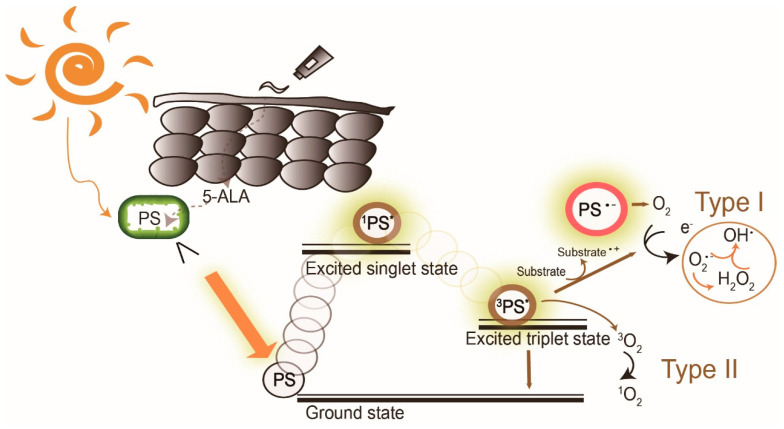
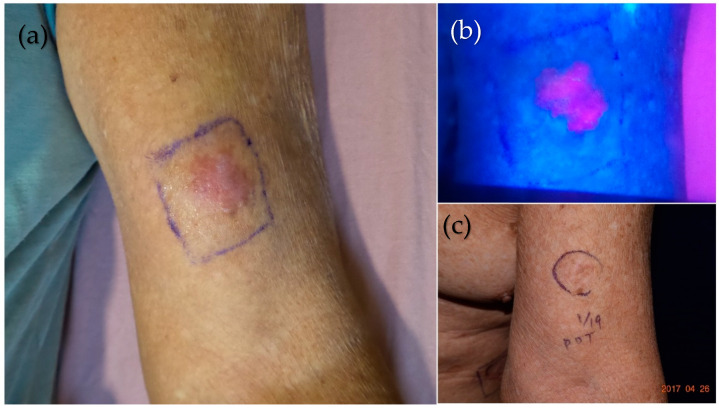
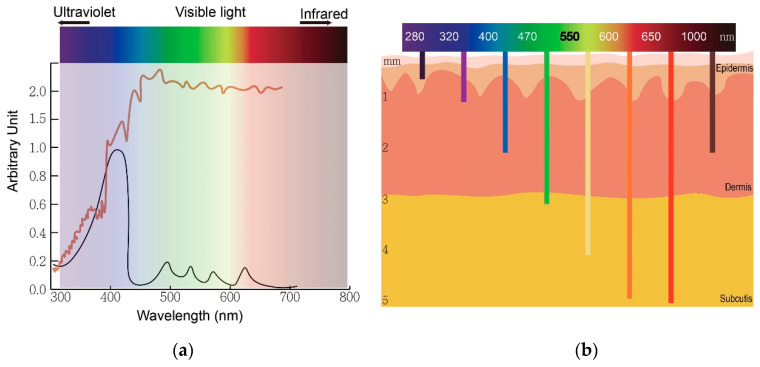
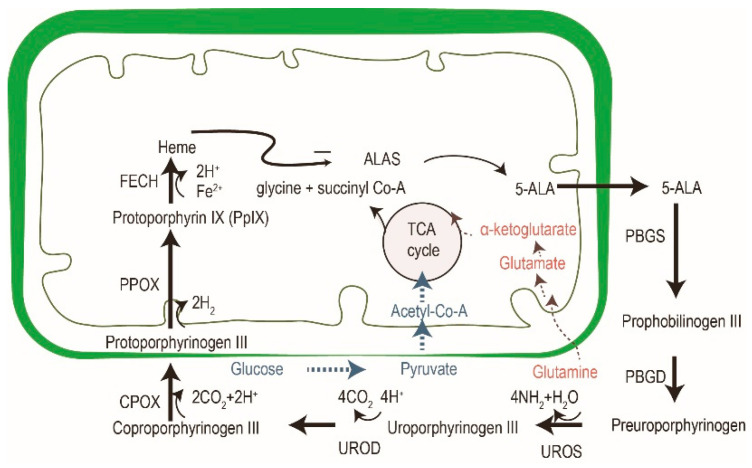
Daylight photodynamic therapy (dPDT) uses sunlight as a light source to treat superficial skin cancer. Using sunlight as a therapeutic device has been present for centuries, forming the basis of photodynamic therapy in the 20th century. Compared to conventional PDT, dPDT can be a less painful, more convenient and an effective alternative. The first clinical uses of dPDT on skin cancers began in Copenhagen in 2008. Currently, aminolevulinic acid-mediated dPDT has been approved to treat actinic keratosis patients in Europe. In this review article, we introduce the history and mechanism of dPDT and focus on the pros and cons of dPDT in treating superficial skin cancers. The future applications of dPDT on other skin diseases are expected to expand as conventional PDT evolves.
日光光动力疗法(dPDT)使用阳光作为光源来治疗皮肤癌。利用阳光作为治疗设备已经有几个世纪的历史,它是 20 世纪光动力疗法的基础。与传统 PDT 相比,dPDT 可能是一种更无痛、更方便且有效的替代方法。2008 年,哥本哈根首次将 dPDT 应用于皮肤癌的临床治疗。目前,欧洲已批准氨基酮戊酸介导的 dPDT 用于治疗光化性角化病患者。在这篇综述文章中,我们介绍了 dPDT 的历史和机制,并重点讨论了其治疗皮肤癌的优缺点。随着传统 PDT 的发展,dPDT 在治疗其他皮肤病方面的应用有望扩大。