George Sajan, Abrahamse Heidi
School of Biosciences and Technology, Vellore Institute of Technology, Vellore, Tamil Nadu 632014, India.
Laser Research Centre, University of Johannesburg, Doornfontein, Johannesburg 2028, South Africa.
Antioxidants (Basel). 2020 Nov 20;9(11):1156. doi: 10.3390/antiox9111156.
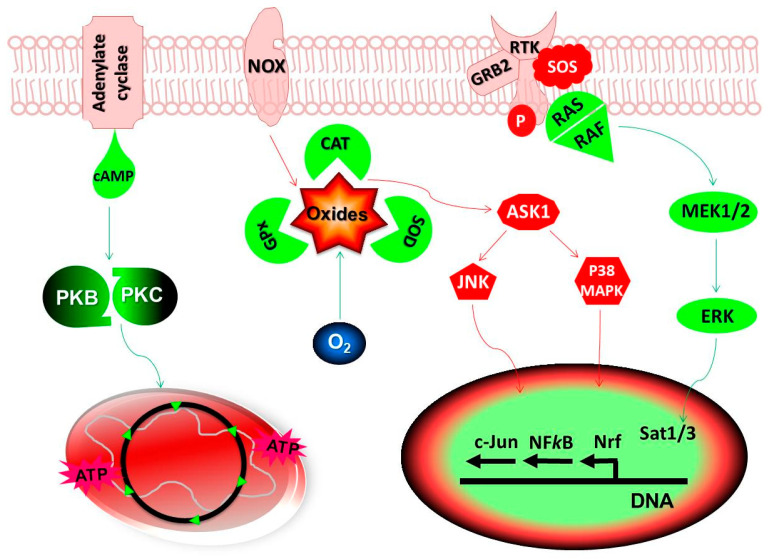
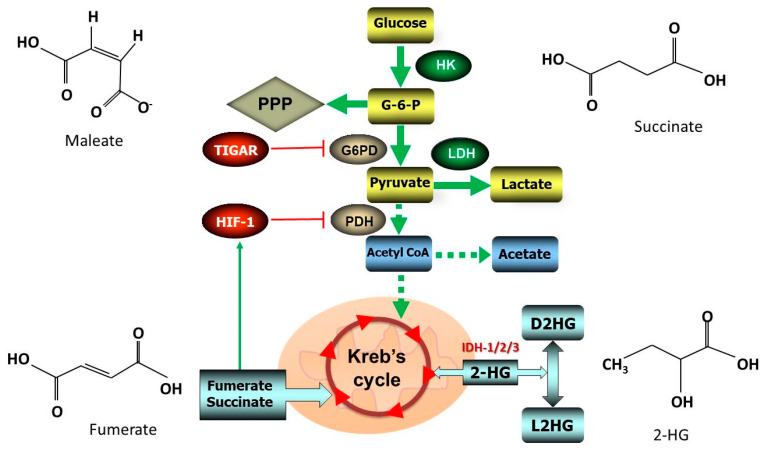
The benevolent and detrimental effects of antioxidants are much debated in clinical trials and cancer research. Several antioxidant enzymes and molecules are overexpressed in oxidative stress conditions that can damage cellular proteins, lipids, and DNA. Natural antioxidants remove excess free radical intermediates by reducing hydrogen donors or quenching singlet oxygen and delaying oxidative reactions in actively growing cancer cells. These reducing agents have the potential to hinder cancer progression only when administered at the right proportions along with chemo-/radiotherapies. Antioxidants and enzymes affect signal transduction and energy metabolism pathways for the maintenance of cellular redox status. A decline in antioxidant capacity arising from genetic mutations may increase the mitochondrial flux of free radicals resulting in misfiring of cellular signalling pathways. Often, a metabolic reprogramming arising from these mutations in metabolic enzymes leads to the overproduction of so called 'oncometabolites' in a state of 'pseudohypoxia'. This can inactivate several of the intracellular molecules involved in epigenetic and redox regulations, thereby increasing oxidative stress giving rise to growth advantages for cancerous cells. Undeniably, these are cell-type and Reactive Oxygen Species (ROS) specific, which is manifested as changes in the enzyme activation, differences in gene expression, cellular functions as well as cell death mechanisms. Photodynamic therapy (PDT) using light-activated photosensitizing molecules that can regulate cellular redox balance in accordance with the changes in endogenous ROS production is a solution for many of these challenges in cancer therapy.
抗氧化剂的有益和有害作用在临床试验和癌症研究中备受争议。几种抗氧化酶和分子在氧化应激条件下过度表达,氧化应激会损害细胞蛋白质、脂质和DNA。天然抗氧化剂通过还原氢供体或淬灭单线态氧来清除过量的自由基中间体,并延缓活跃生长的癌细胞中的氧化反应。这些还原剂只有在与化学疗法/放射疗法以适当比例联合使用时,才有阻碍癌症进展的潜力。抗氧化剂和酶会影响信号转导和能量代谢途径,以维持细胞的氧化还原状态。基因突变导致的抗氧化能力下降可能会增加线粒体自由基通量,从而导致细胞信号通路失灵。通常,代谢酶中的这些突变引起的代谢重编程会导致在“假性缺氧”状态下产生所谓的“致癌代谢物”。这会使参与表观遗传和氧化还原调节的几种细胞内分子失活,从而增加氧化应激,赋予癌细胞生长优势。不可否认,这些作用具有细胞类型和活性氧(ROS)特异性,表现为酶激活的变化、基因表达的差异、细胞功能以及细胞死亡机制的不同。使用可根据内源性ROS产生的变化调节细胞氧化还原平衡的光激活光敏分子进行光动力疗法(PDT),是解决癌症治疗中许多此类挑战的一种方法。