Key Laboratory of Particle & Radiation Imaging, Ministry of Education, Department of Engineering Physics, Tsinghua University, No. 30 Shuangqing Road, Haidian District, Beijing 100084, China.
Academy for Advanced Interdisciplinary Studies, Peking University, No. 5 Yiheyuan Road, Haidian District, Beijing 100871, China.
Molecules. 2020 Nov 20;25(22):5456. doi: 10.3390/molecules25225456.
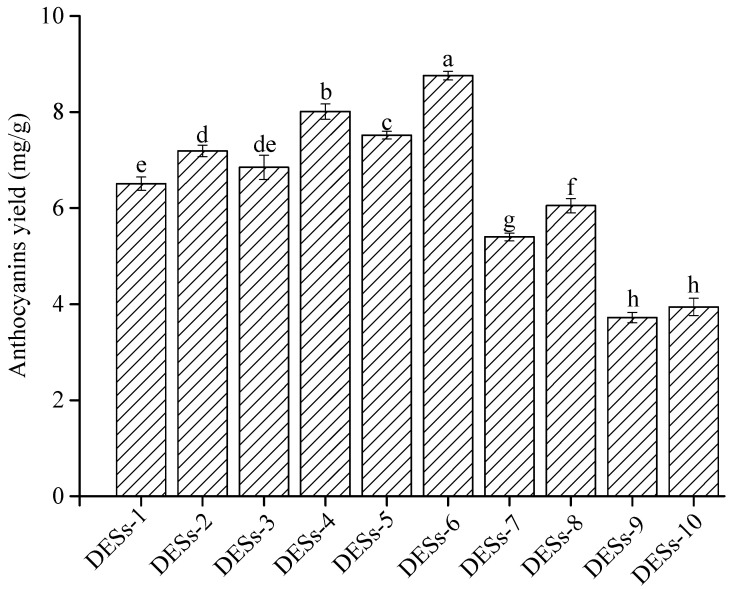
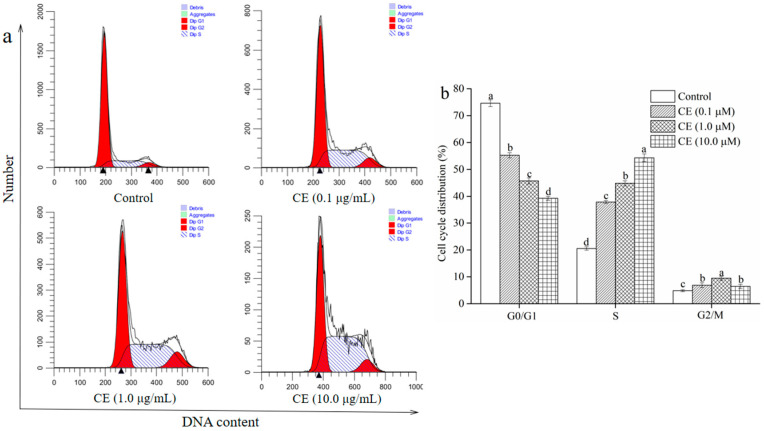
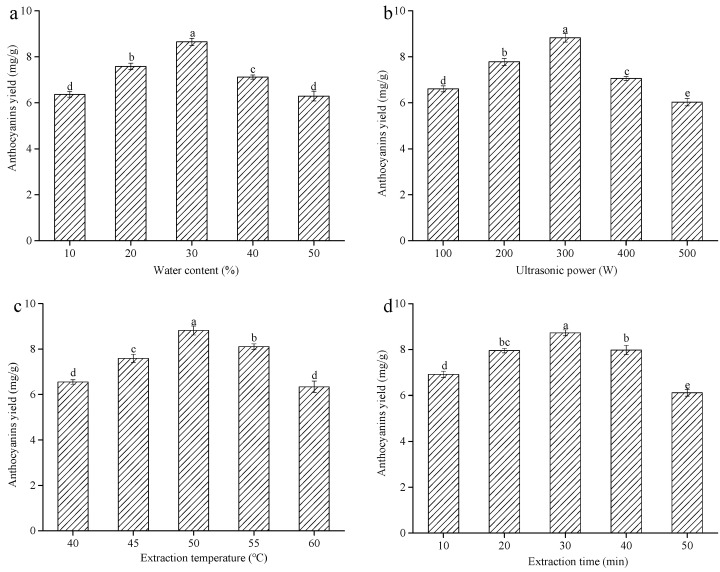
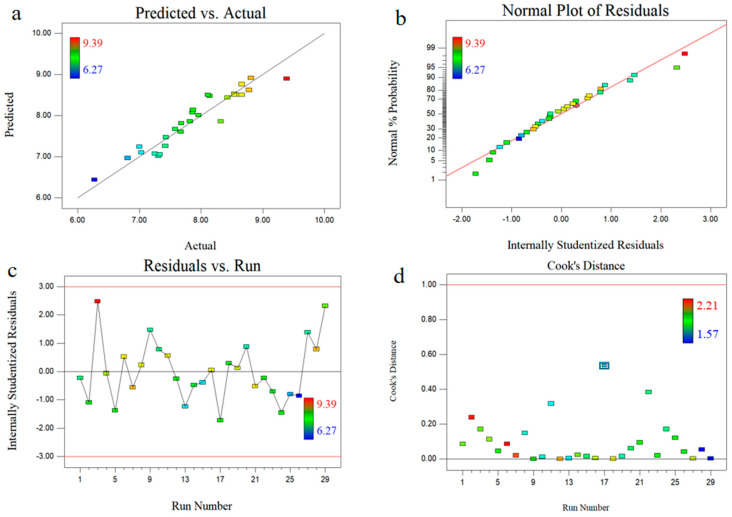
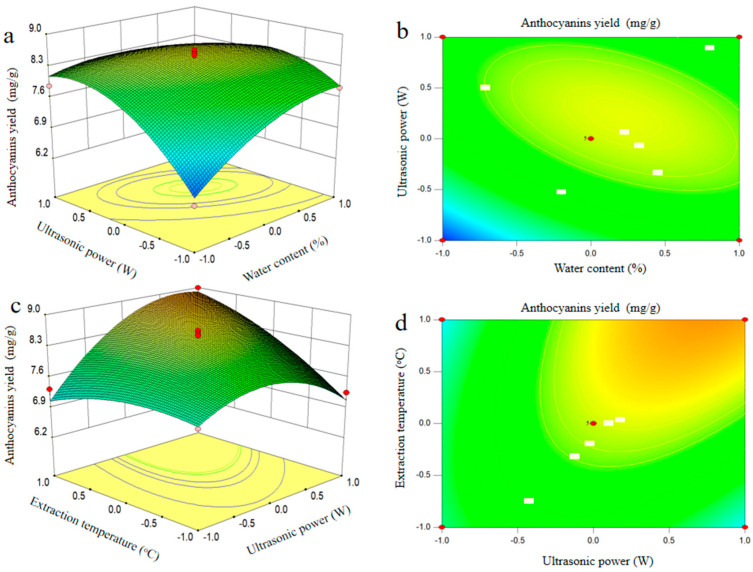
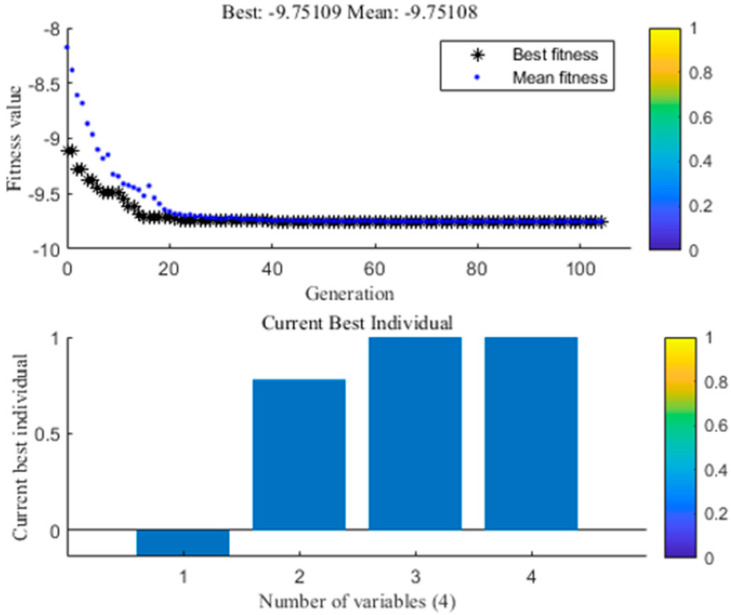
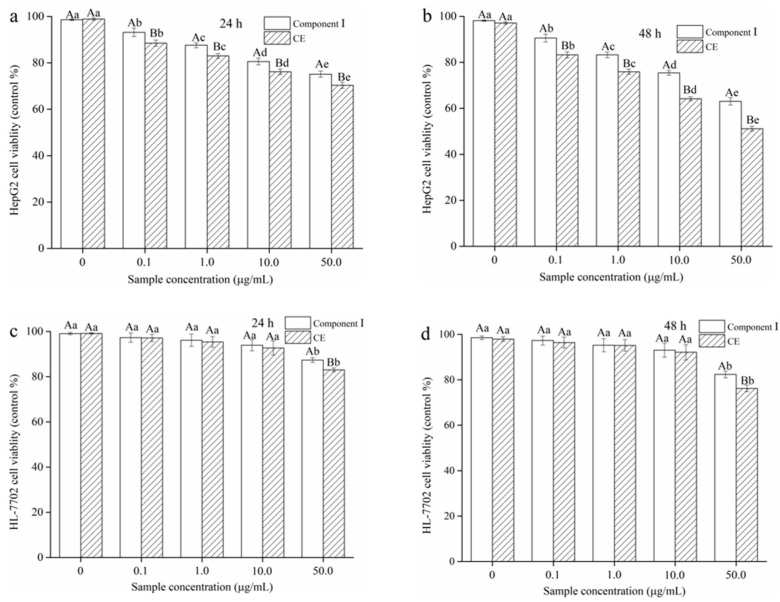
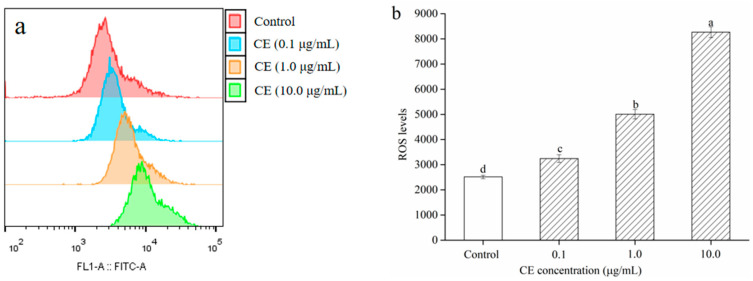
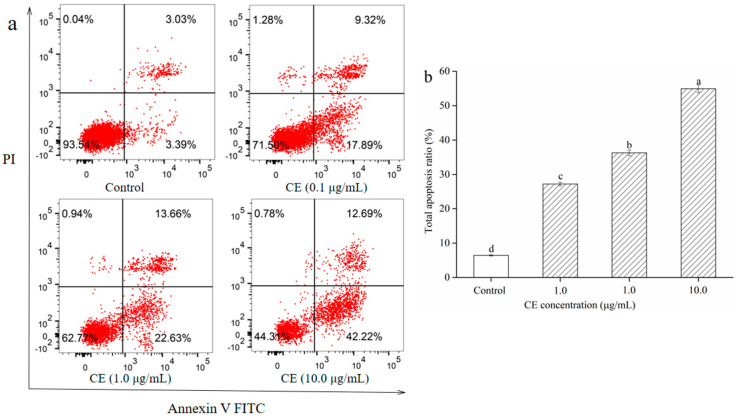
Blueberry wine residues produced during the wine-brewing process contain abundant anthocyanins and other bioactive compounds. To extract anthocyanins from blueberry wine residues more efficiently, a novel procedure of ultrasound-assisted deep eutectic solvent extraction (UADESE) was proposed in this work. The extraction process was optimized by response surface methodology coupled with genetic algorithm. The optimum extraction parameters to achieve the highest yield of anthocyanins (9.32 ± 0.08 mg/g) from blueberry wine residues by UADESE were obtained at water content of 29%, ultrasonic power of 380 W, extraction temperature of 55 °C, and extraction time of 40 min. The AB-8 macroporous resin combined with Sephadex LH-20 techniques was used to purify the crude extract (CE) obtained under optimum extraction conditions and analyze the anthocyanins composition by HPLC-ESI-MS/MS. The cyanidin-3-rutinoside with purity of 92.81% was obtained. The HepG2 antitumor activity of CE was better than that of the purified anthocyanins component. Moreover, CE could increase the intracellular reactive oxygen species levels and the apoptosis, and arrest HepG2 cells in the S phases. These findings provided an effective and feasible method for anthocyanins extraction, and reduced the environmental burden of this waste.
蓝莓酒酿造过程中产生的酒渣含有丰富的花色苷和其他生物活性化合物。为了更有效地从蓝莓酒渣中提取花色苷,本研究提出了一种新型超声辅助深共晶溶剂萃取(UADESE)方法。采用响应面法结合遗传算法对萃取工艺进行优化。在最优提取条件下(水含量 29%、超声功率 380 W、提取温度 55°C、提取时间 40 min),通过 UADESE 从蓝莓酒渣中提取花色苷的产率最高(9.32±0.08)mg/g。采用 AB-8 大孔树脂结合 Sephadex LH-20 技术对最优提取条件下得到的粗提物(CE)进行纯化,并采用 HPLC-ESI-MS/MS 分析花色苷组成。得到纯度为 92.81%的矢车菊-3-芸香糖苷。CE 的 HepG2 抗肿瘤活性优于纯化的花色苷成分。此外,CE 可以增加细胞内活性氧水平并诱导 HepG2 细胞凋亡,将其阻滞在 S 期。这些发现为花色苷的提取提供了一种有效可行的方法,同时减少了这种废物对环境的负担。