Kowert Rachel
Independent Researcher, Take This, Seattle, WA, United States.
Front Psychol. 2020 Nov 10;11:598947. doi: 10.3389/fpsyg.2020.598947. eCollection 2020.
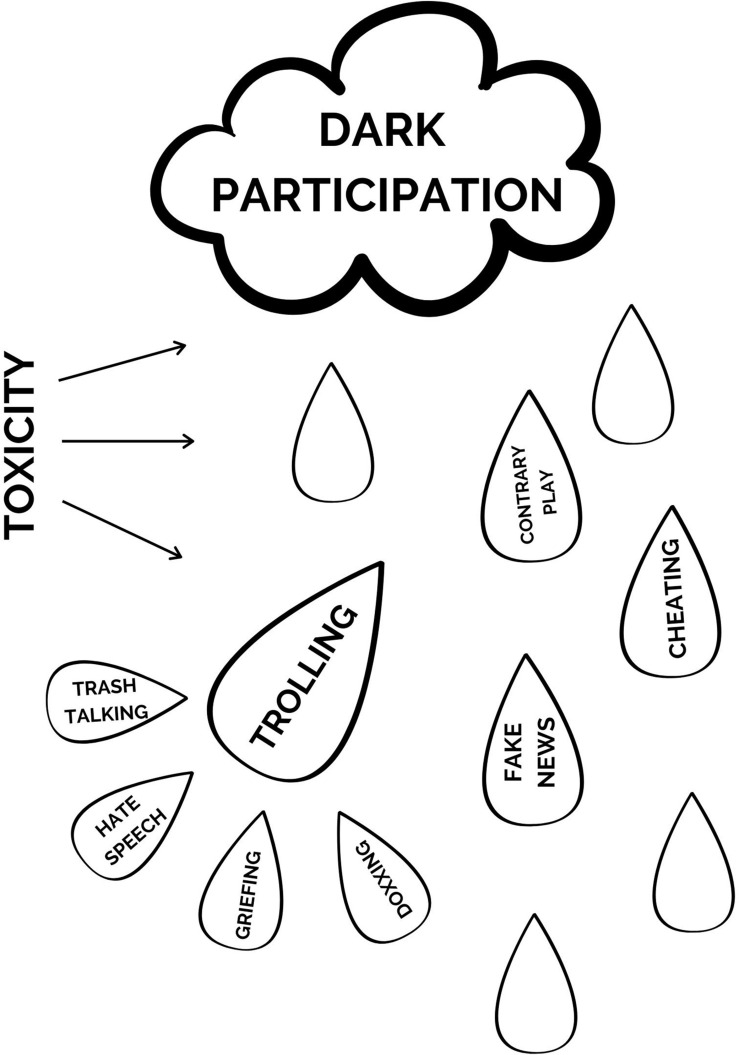
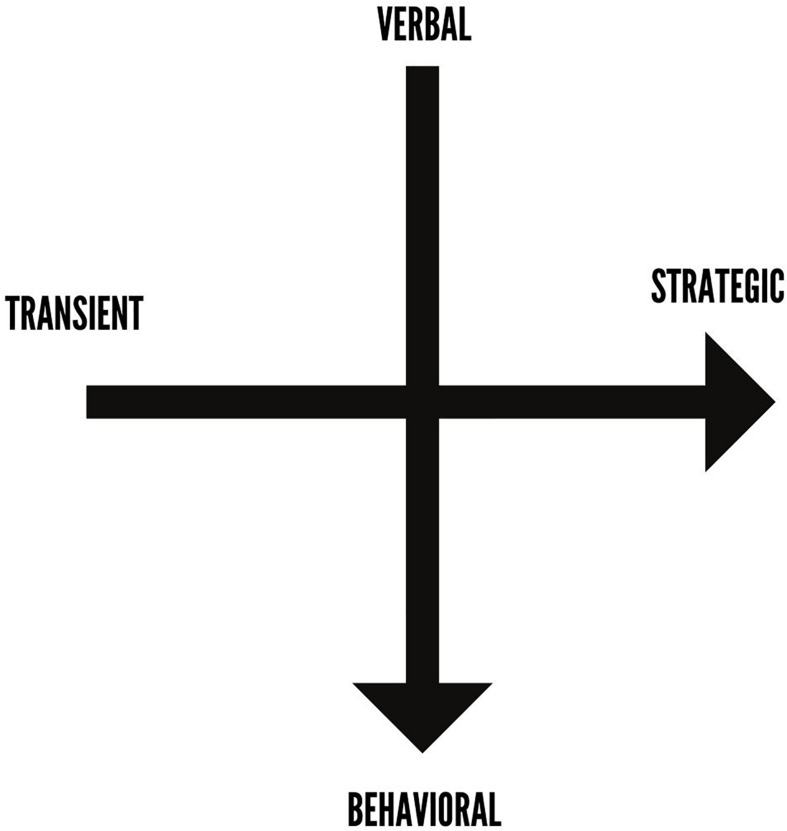
With the advent of digital games came the advent of gamer cultures and identities. A "gamer" became a new social first for the group of individuals who played video games (primarily in arcades) in the late 1970's. Over time, however, gamer cultures have grown into what is largely discussed as "toxic cultures," and come to become more associated with exclusion than inclusion if you don't fit a certain mold. Despite its prevalence, deviant behaviors in games as a subject of academic study is a confusing space, with different researchers using different criteria to describe the same things. This article provides the first comprehensive cataloging and overview of dark participation in games. This includes defining these behaviors, cataloging their variants, and discussing their social and psychological impact and their potential underpinnings. It is critical to establish a shared language about what these behaviors are in order to effectively understand and combat them.
随着数字游戏的出现,玩家文化和身份也随之出现。对于20世纪70年代末玩电子游戏(主要是在游戏厅)的个人群体来说,“玩家”首先成为了一种新的社会身份。然而,随着时间的推移,玩家文化已发展成为在很大程度上被讨论为“有毒文化”的东西,并且如果你不符合某种模式,就会变得更多地与排斥而非包容联系在一起。尽管其很普遍,但游戏中的越轨行为作为学术研究的一个主题却是一个令人困惑的领域,不同的研究人员使用不同的标准来描述相同的事情。本文首次对游戏中的黑暗参与进行了全面编目和概述。这包括定义这些行为、对其变体进行编目,以及讨论它们的社会和心理影响及其潜在的基础。为了有效地理解和对抗这些行为,建立一种关于这些行为是什么的共同语言至关重要。