Department of Orthodontics, Institute of Craniofacial Deformity, Yonsei University College of Dentistry, 50-1 Yonsei-ro, Seodaemun-gu, Seoul 03722, Korea.
Department and Research Institute of Dental Biomaterials and Bioengineering, Yonsei University College of Dentistry, Seoul 03722, Korea.
Int J Mol Sci. 2020 Nov 29;21(23):9087. doi: 10.3390/ijms21239087.
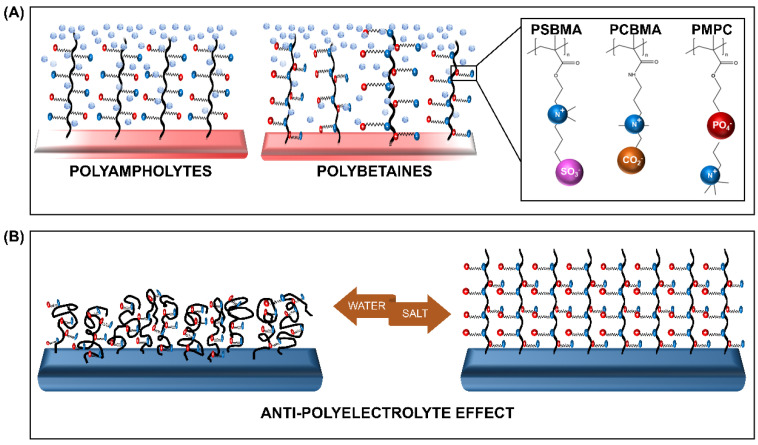
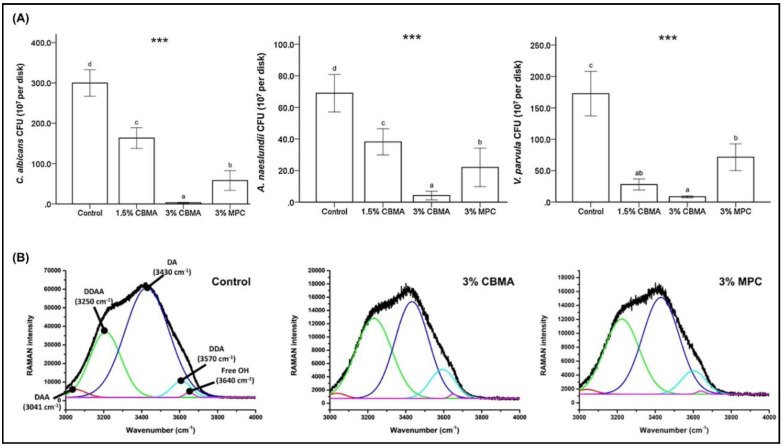
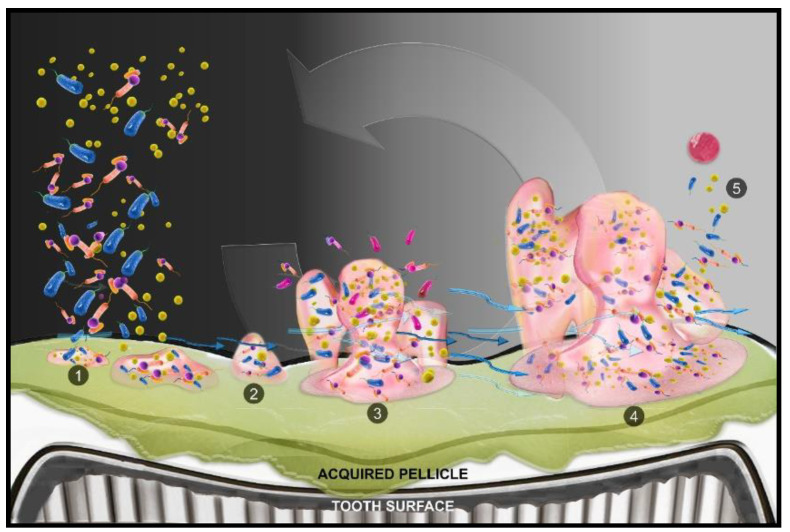
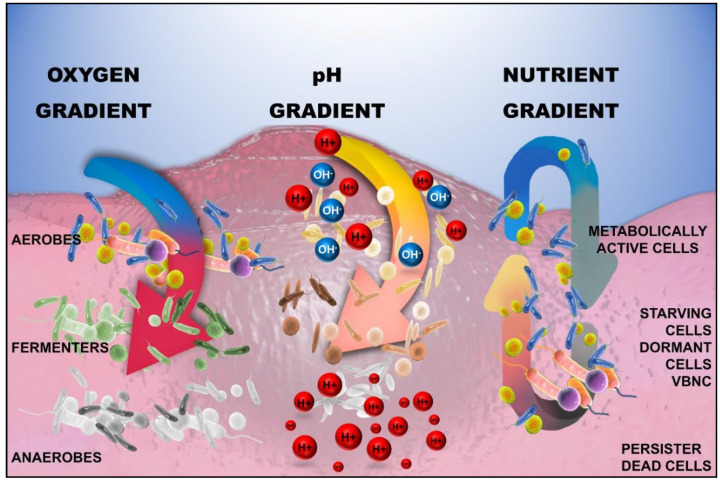
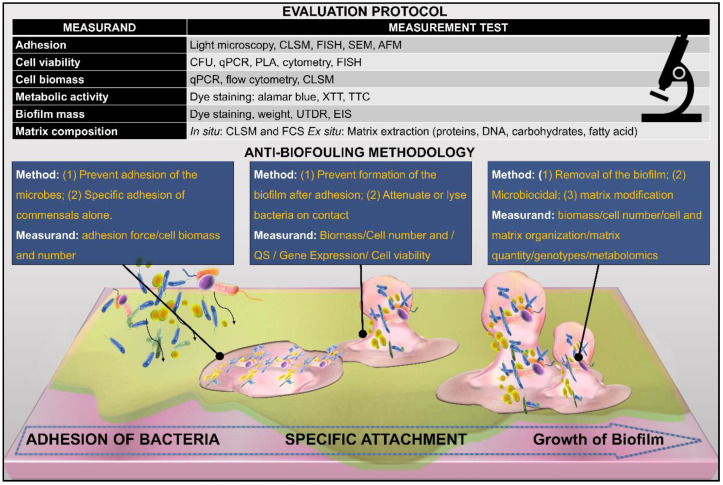
Biofilms are formed on surfaces inside the oral cavity covered by the acquired pellicle and develop into a complex, dynamic, microbial environment. Oral biofilm is a causative factor of dental and periodontal diseases. Accordingly, novel materials that can resist biofilm formation have attracted significant attention. Zwitterionic polymers (ZPs) have unique features that resist protein adhesion and prevent biofilm formation while maintaining biocompatibility. Recent literature has reflected a rapid increase in the application of ZPs as coatings and additives with promising outcomes. In this review, we briefly introduce ZPs and their mechanism of antifouling action, properties of human oral biofilms, and present trends in anti-biofouling, zwitterionic, dental materials. Furthermore, we highlight the existing challenges in the standardization of biofilm research and the future of antifouling, zwitterated, dental materials.
生物膜在口腔内被获得性黏膜覆盖的表面形成,并发展成为一个复杂、动态的微生物环境。口腔生物膜是导致牙齿和牙周疾病的原因。因此,能够抵抗生物膜形成的新型材料引起了广泛关注。两性离子聚合物(ZPs)具有独特的特性,能够抵抗蛋白质黏附,防止生物膜形成,同时保持生物相容性。最近的文献反映出 ZPs 作为涂层和添加剂的应用迅速增加,具有广阔的前景。在这篇综述中,我们简要介绍了 ZPs 及其抗污作用机制、人口腔生物膜的特性,以及抗生物污损、两性离子、牙科材料的当前趋势。此外,我们还强调了生物膜研究标准化方面存在的挑战以及抗污损、两性离子、牙科材料的未来发展方向。