Centre for Heart Lung Innovation, St. Paul's Hospital, 1081 Burrard St, Vancouver, BC, V6Z 1Y6, Canada.
Department of Pathology and Laboratory Medicine, University of British Columbia, Vancouver, BC, Canada.
J Nanobiotechnology. 2020 Dec 9;18(1):180. doi: 10.1186/s12951-020-00741-z.
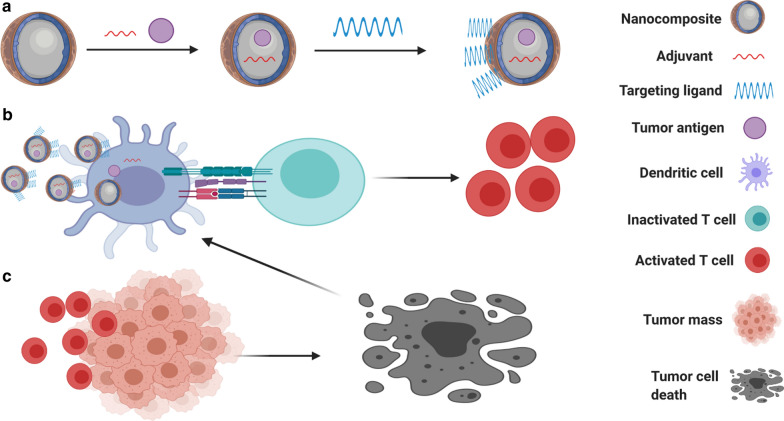
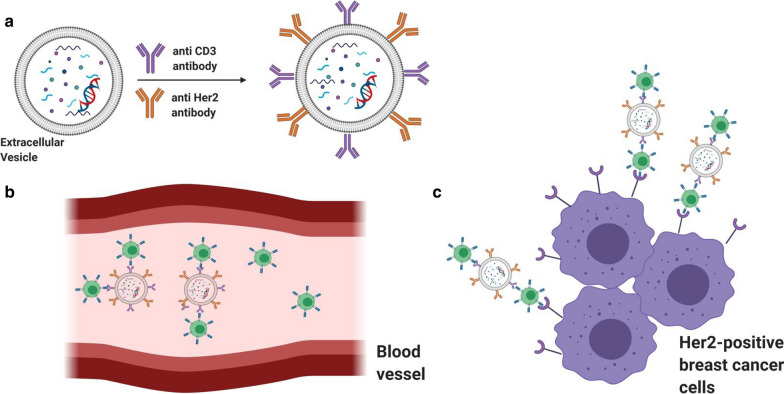
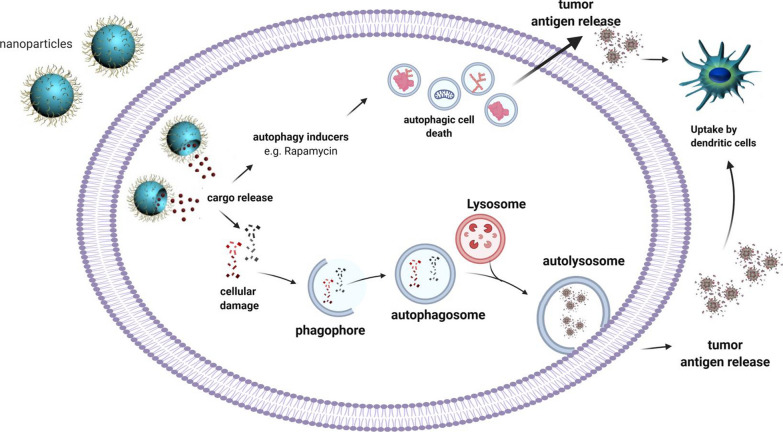
Breast cancer continues to be the most frequently diagnosed malignancy among women, putting their life in jeopardy. Cancer immunotherapy is a novel approach with the ability to boost the host immune system to recognize and eradicate cancer cells with high selectivity. As a promising treatment, immunotherapy can not only eliminate the primary tumors, but also be proven to be effective in impeding metastasis and recurrence. However, the clinical application of cancer immunotherapy has faced some limitations including generating weak immune responses due to inadequate delivery of immunostimulants to the immune cells as well as uncontrolled modulation of immune system, which can give rise to autoimmunity and nonspecific inflammation. Growing evidence has suggested that nanotechnology may meet the needs of current cancer immunotherapy. Advanced biomaterials such as nanoparticles afford a unique opportunity to maximize the efficiency of immunotherapy and significantly diminish their toxic side-effects. Here we discuss recent advancements that have been made in nanoparticle-involving breast cancer immunotherapy, varying from direct activation of immune systems through the delivery of tumor antigens and adjuvants to immune cells to altering immunosuppression of tumor environment and combination with other conventional therapies.
乳腺癌仍然是女性中最常见的恶性肿瘤,使她们的生命处于危险之中。癌症免疫疗法是一种新的方法,能够增强宿主免疫系统的识别能力,以高度选择性地消除癌细胞。作为一种有前途的治疗方法,免疫疗法不仅可以消除原发肿瘤,而且还被证明可以有效阻止转移和复发。然而,癌症免疫疗法的临床应用面临一些限制,包括由于免疫刺激剂不能充分递送到免疫细胞以及免疫系统的失控调节,导致免疫反应较弱,从而引发自身免疫和非特异性炎症。越来越多的证据表明,纳米技术可能满足当前癌症免疫疗法的需求。先进的生物材料,如纳米颗粒,为最大限度地提高免疫疗法的效率并显著减少其毒副作用提供了独特的机会。在这里,我们讨论了涉及乳腺癌免疫疗法的纳米颗粒的最新进展,从通过向免疫细胞递送肿瘤抗原和佐剂直接激活免疫系统到改变肿瘤微环境的免疫抑制以及与其他常规疗法相结合。