Williams Ashley N, Sorout Naveen, Cameron Alexander J, Stavrinides John
Department of Biology, University of Regina, Regina, SK, Canada.
Front Genet. 2020 Dec 3;11:600116. doi: 10.3389/fgene.2020.600116. eCollection 2020.
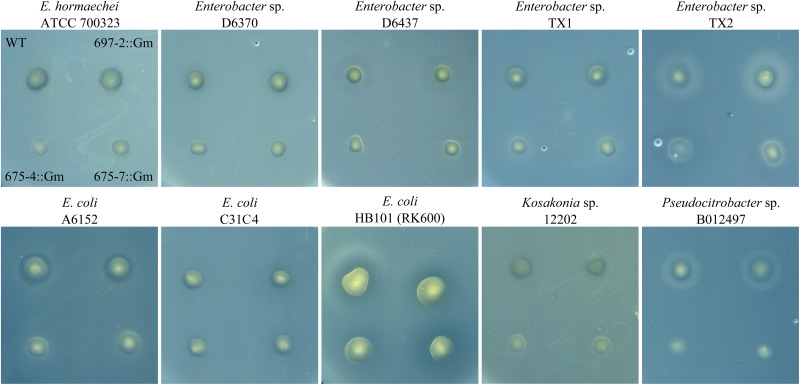
Antimicrobial resistance is a worldwide health crisis for which new antibiotics are needed. One strategy for antibiotic discovery is identifying unique antibiotic biosynthetic gene clusters that may produce novel compounds. The aim of this study was to demonstrate how an integrated approach that combines genome mining, comparative genomics, and functional genetics can be used to successfully identify novel biosynthetic gene clusters that produce antimicrobial natural products. Secondary metabolite clusters of an antibiotic producer are first predicted using genome mining tools, generating a list of candidates. Comparative genomic approaches are then used to identify gene suites present in the antibiotic producer that are absent in closely related non-producers. Gene sets that are common to the two lists represent leading candidates, which can then be confirmed using functional genetics approaches. To validate this strategy, we identified the genes responsible for antibiotic production in B025670, a strain identified in a large-scale bioactivity survey. The genome of B025670 was first mined with antiSMASH, which identified 24 candidate regions. We then used the comparative genomics platform, EDGAR, to identify genes unique to B025670 that were not present in closely related strains with contrasting antibiotic production profiles. The candidate lists generated by antiSMASH and EDGAR were compared with standalone BLAST. Among the common regions was a 14 kb cluster consisting of 14 genes with predicted enzymatic, transport, and unknown functions. Site-directed mutagenesis of the gene cluster resulted in a reduction in antimicrobial activity, suggesting involvement in antibiotic production. An integrated approach that combines genome mining, comparative genomics, and functional genetics yields a powerful, yet simple strategy for identifying potentially novel antibiotics.
抗菌耐药性是一场全球性的健康危机,急需新型抗生素。抗生素发现的一种策略是识别可能产生新型化合物的独特抗生素生物合成基因簇。本研究的目的是证明如何将基因组挖掘、比较基因组学和功能遗传学相结合的综合方法,用于成功识别产生抗菌天然产物的新型生物合成基因簇。首先使用基因组挖掘工具预测抗生素产生菌的次级代谢物簇,生成一份候选列表。然后使用比较基因组学方法,识别抗生素产生菌中存在但密切相关的非产生菌中不存在的基因组合。两份列表中共有的基因集代表主要候选基因,然后可以使用功能遗传学方法进行确认。为了验证这一策略,我们在一项大规模生物活性调查中鉴定出的菌株B025670中,确定了负责抗生素生产的基因。首先使用antiSMASH对B025670的基因组进行挖掘,识别出24个候选区域。然后我们使用比较基因组学平台EDGAR,识别B025670中独特的、在具有不同抗生素生产谱的密切相关菌株中不存在的基因。将antiSMASH和EDGAR生成的候选列表与独立的BLAST进行比较。在共同区域中有一个14 kb的基因簇,由14个基因组成,这些基因具有预测的酶促、转运和未知功能。对该基因簇进行定点诱变导致抗菌活性降低,表明其参与抗生素生产。将基因组挖掘、比较基因组学和功能遗传学相结合的综合方法,为识别潜在的新型抗生素提供了一种强大而简单的策略。