Pérez-Morote Rosario, Pontones-Rosa Carolina, Gortázar-Schmidt Christian, Muñoz-Cardona Álvaro Ignacio
Research Group GISEIO "Sistemas de Información Externa e Interna de las Organizaciones: Información Corporativa y para la Gestión", Business Administration and Management Department, University of Castilla-La Mancha, 02071 Albacete, Spain.
SaBio Instituto de Investigación en Recursos Cinegéticos IREC (UCLM & CSIC), 13005 Ciudad Real, Spain.
Animals (Basel). 2020 Dec 18;10(12):2433. doi: 10.3390/ani10122433.
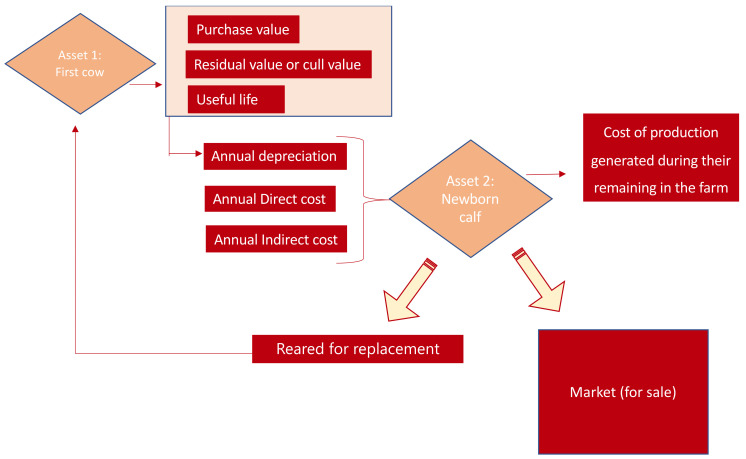
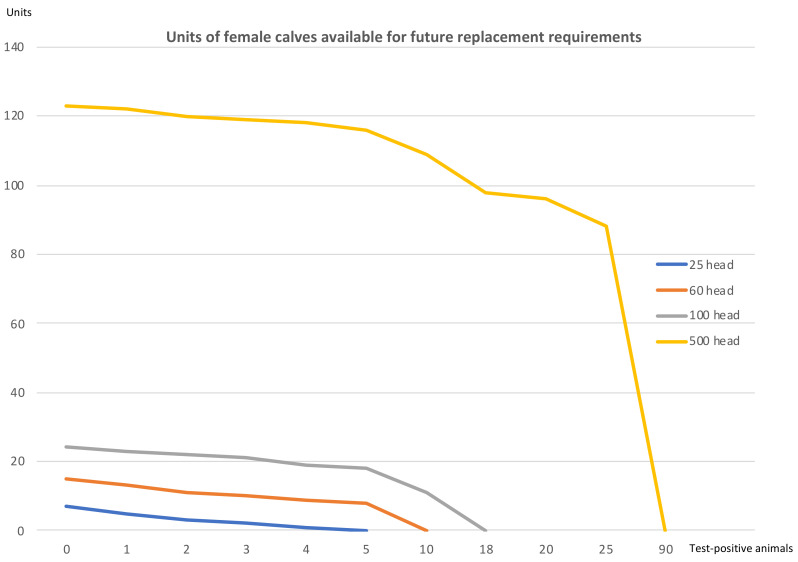
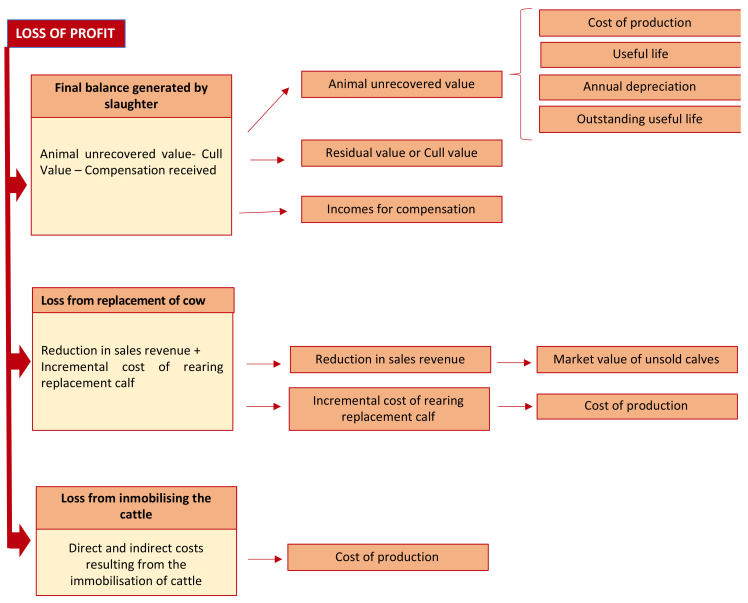
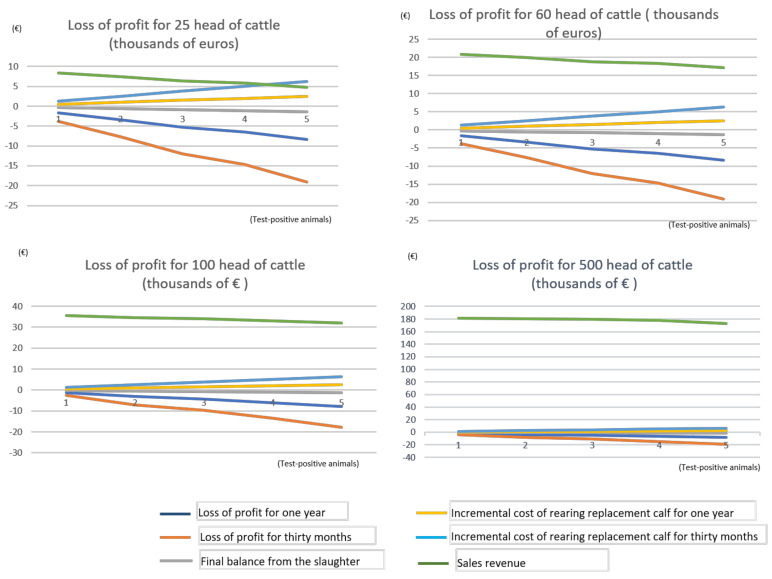
Pasture-based livestock farming generates income in regions with limited resources and is key to biodiversity conservation. However, costs derived from fighting disease can make the difference between profit and loss, eventually compromising farm survival. Animal TB (TB), a chronic infection of cattle and other domestic and wild hosts, is one of the primary limitations of beef cattle farming in some parts of Europe. When an animal tests positive for TB, a loss of profit is caused in the farm, which is due mainly to the animal's slaughter, replacement of the slaughtered animal and the need to immobilize the rest of the herd. We estimated the economic impact in terms of loss of profit as a result of incremental costs and forgone incomes. We show that farms with a larger number of heads are more capable of dealing with the loss of profit caused by the disease. The quantification of the loss of profit contributes to the ongoing debate on the co-sharing of TB costs between government and farmers. The compensation farmers receive from the public administration to mitigate the economic effects of the disease control interventions is only intended to balance the loss due to slaughter of the infected cattle, being the loss of profit a more global concept.
基于牧场的畜牧业在资源有限的地区创造收入,并且是生物多样性保护的关键。然而,抗病成本可能决定盈亏,最终危及农场的生存。牛结核病(TB)是牛以及其他家养和野生宿主的一种慢性感染,是欧洲某些地区肉牛养殖的主要限制因素之一。当一头动物结核病检测呈阳性时,农场就会出现利润损失,这主要是由于该动物被屠宰、被屠宰动物的替换以及使畜群其他成员不活动的需要。我们根据增量成本和放弃的收入估计了利润损失方面的经济影响。我们表明,牛头数较多的农场更有能力应对疾病造成的利润损失。利润损失的量化有助于正在进行的关于政府与农民之间结核病成本共同分担的辩论。农民从公共管理部门获得的用于减轻疾病控制干预措施经济影响的补偿仅旨在平衡因感染牛被屠宰造成的损失,而利润损失是一个更全面的概念。