Zheng Maochao, Pan Miao, Zhang Wancong, Lin Huanchang, Wu Shenlang, Lu Chao, Tang Shijie, Liu Daojun, Cai Jianfeng
Shantou University Medical College, 22 Xinling Road, Shantou, 515041, China.
The Second Affiliated Hospital of Shantou University Medical College, 69 Dongxiabei Road, Shantou, 515041, China.
Bioact Mater. 2020 Dec 13;6(7):1878-1909. doi: 10.1016/j.bioactmat.2020.12.001. eCollection 2021 Jul.
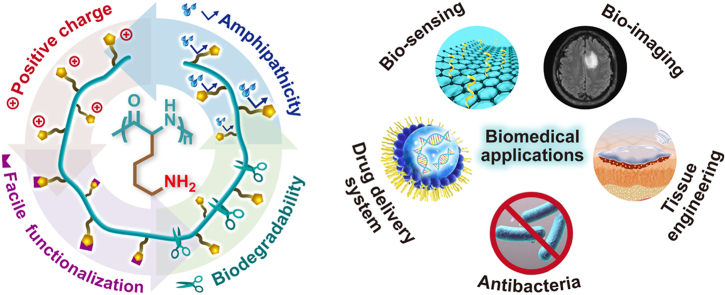
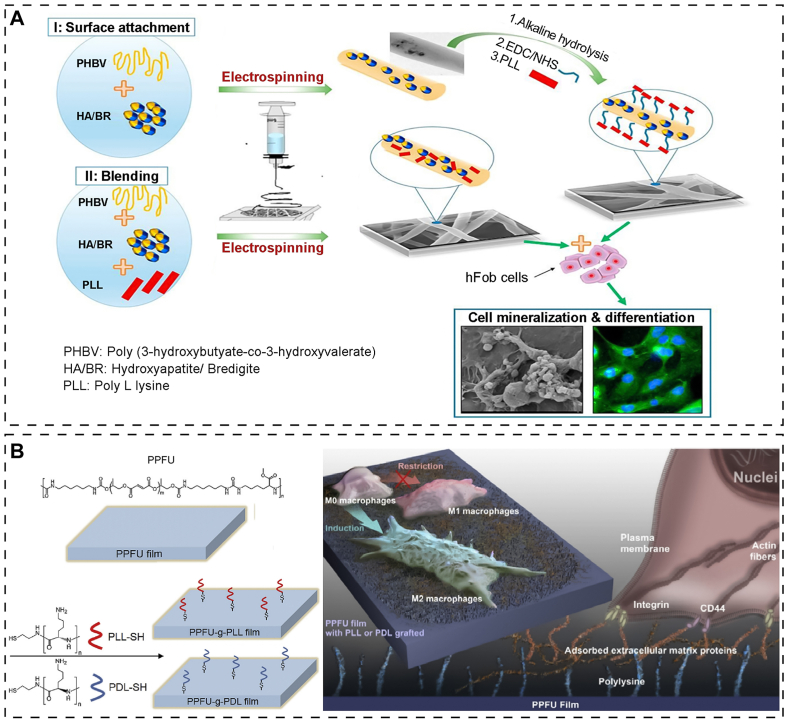
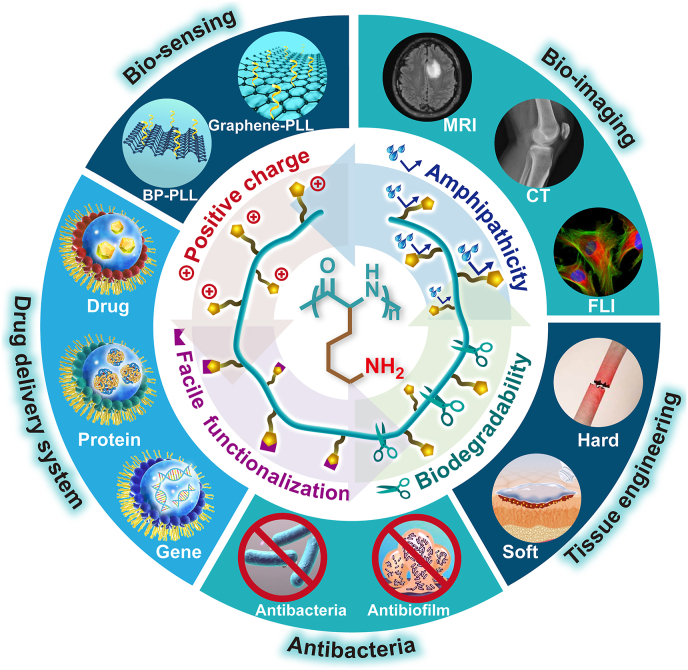
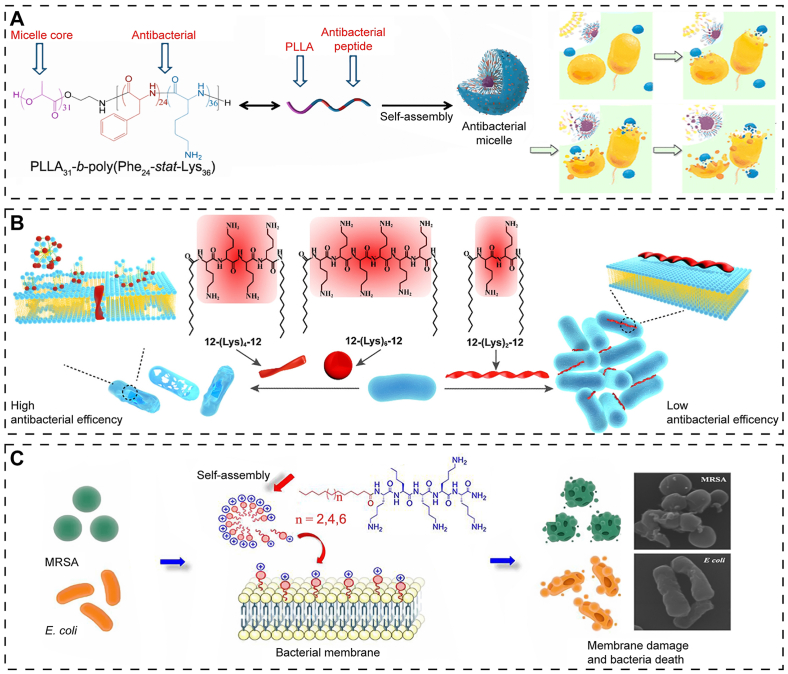
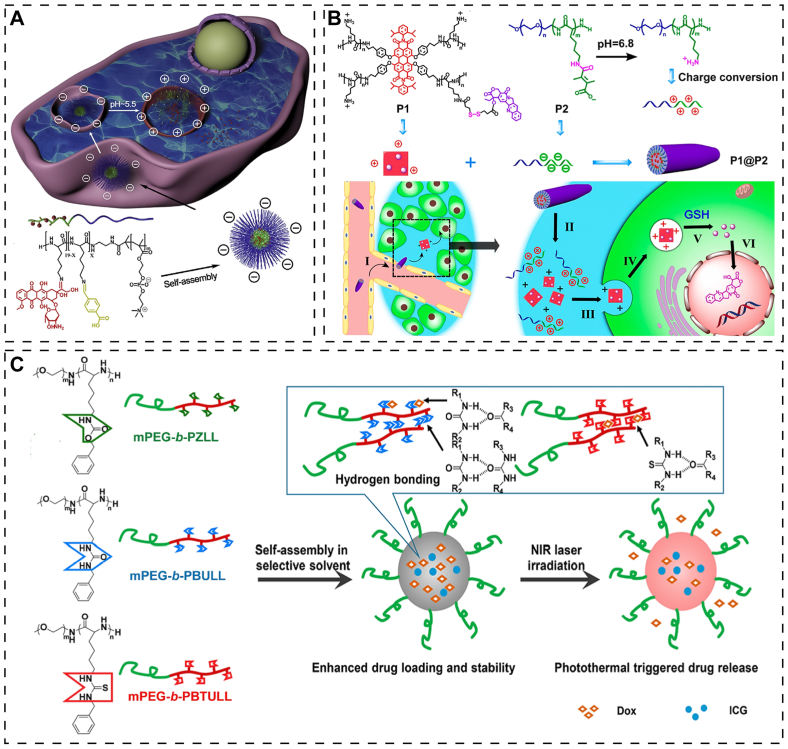
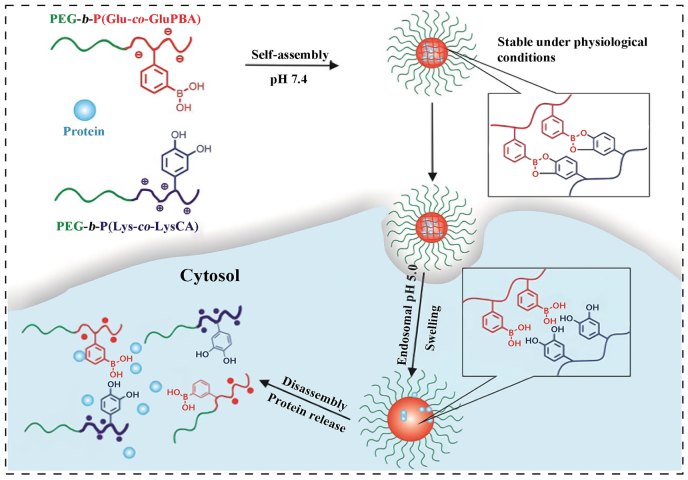
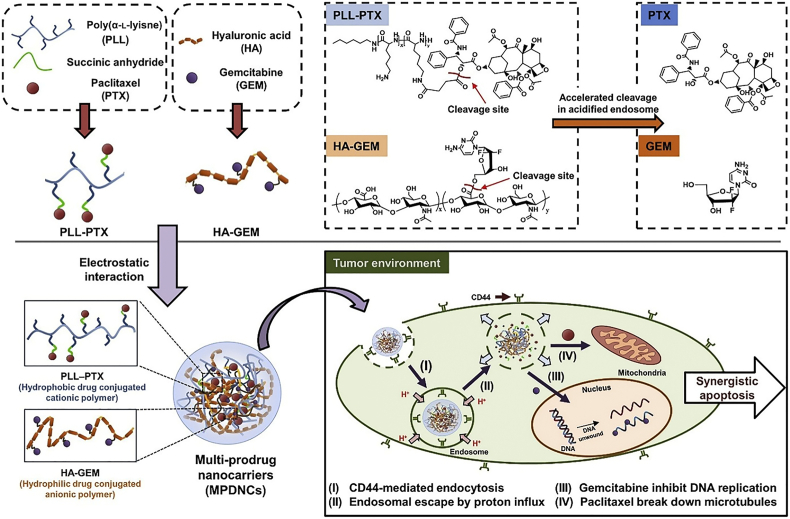
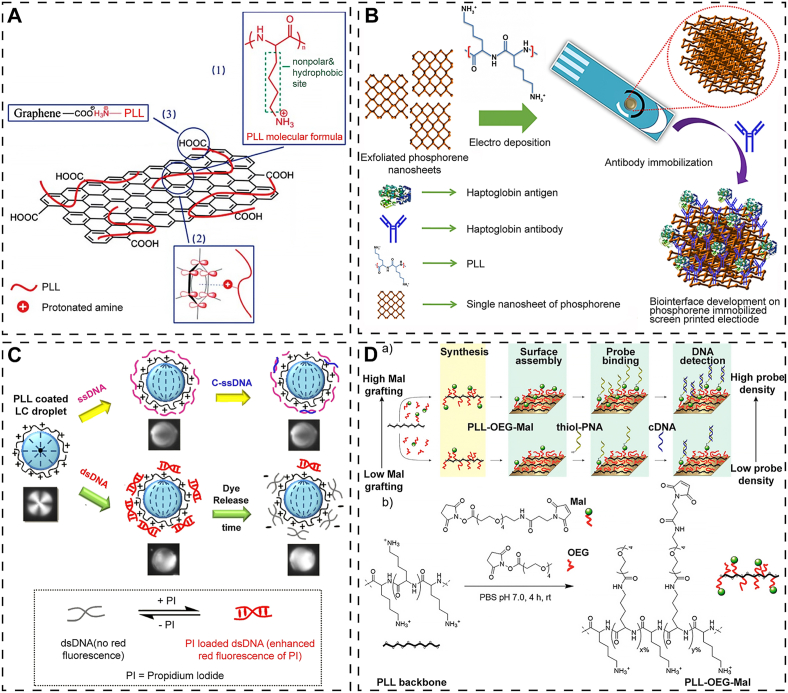
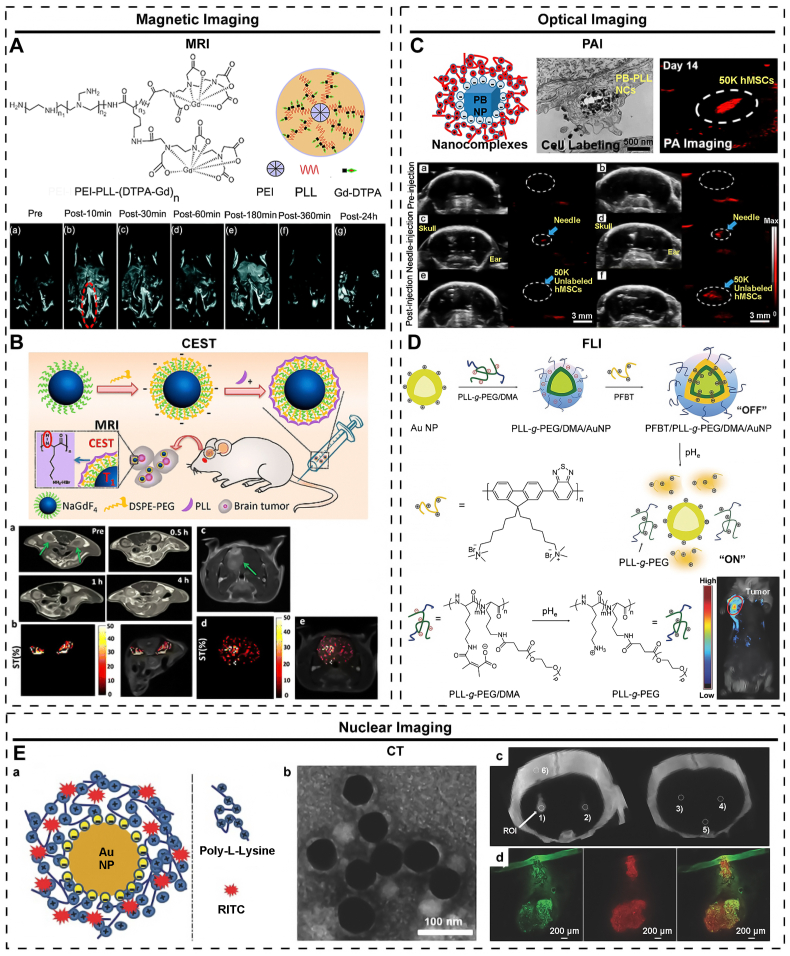
Poly(α-l-lysine) (PLL) is a class of water-soluble, cationic biopolymer composed of α-l-lysine structural units. The previous decade witnessed tremendous progress in the synthesis and biomedical applications of PLL and its composites. PLL-based polymers and copolymers, till date, have been extensively explored in the contexts such as antibacterial agents, gene/drug/protein delivery systems, bio-sensing, bio-imaging, and tissue engineering. This review aims to summarize the recent advances in PLL-based nanomaterials in these biomedical fields over the last decade. The review first describes the synthesis of PLL and its derivatives, followed by the main text of their recent biomedical applications and translational studies. Finally, the challenges and perspectives of PLL-based nanomaterials in biomedical fields are addressed.
聚(α-L-赖氨酸)(PLL)是一类由α-L-赖氨酸结构单元组成的水溶性阳离子生物聚合物。在过去十年中,PLL及其复合材料的合成和生物医学应用取得了巨大进展。迄今为止,基于PLL的聚合物和共聚物已在抗菌剂、基因/药物/蛋白质递送系统、生物传感、生物成像和组织工程等领域得到广泛探索。本综述旨在总结过去十年中基于PLL的纳米材料在这些生物医学领域的最新进展。综述首先描述了PLL及其衍生物的合成,接着是其近期生物医学应用和转化研究的正文。最后,阐述了基于PLL的纳米材料在生物医学领域面临的挑战和前景。