Department of Nephrology, Radboud Institute for Molecular Life Sciences, Radboud University Medical Center, Nijmegen, the Netherlands.
Department of Molecular Biology, Faculty of Science, Radboud Institute for Molecular Life Sciences, Oncode Institute, Radboud University Nijmegen, Nijmegen, the Netherlands.
Cell Rep Med. 2020 Nov 10;1(9):100146. doi: 10.1016/j.xcrm.2020.100146. eCollection 2020 Dec 22.
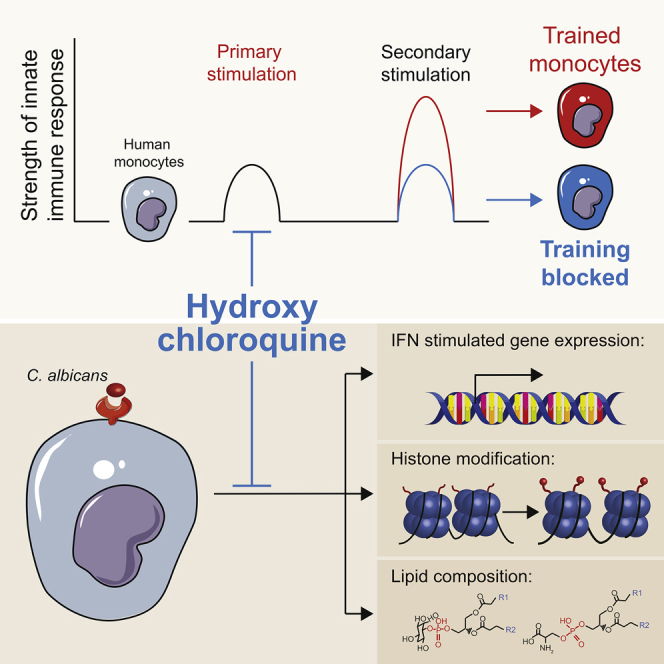
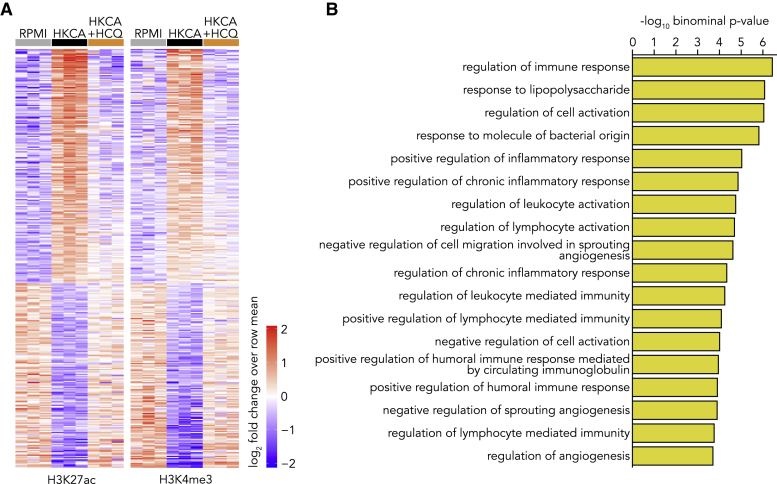
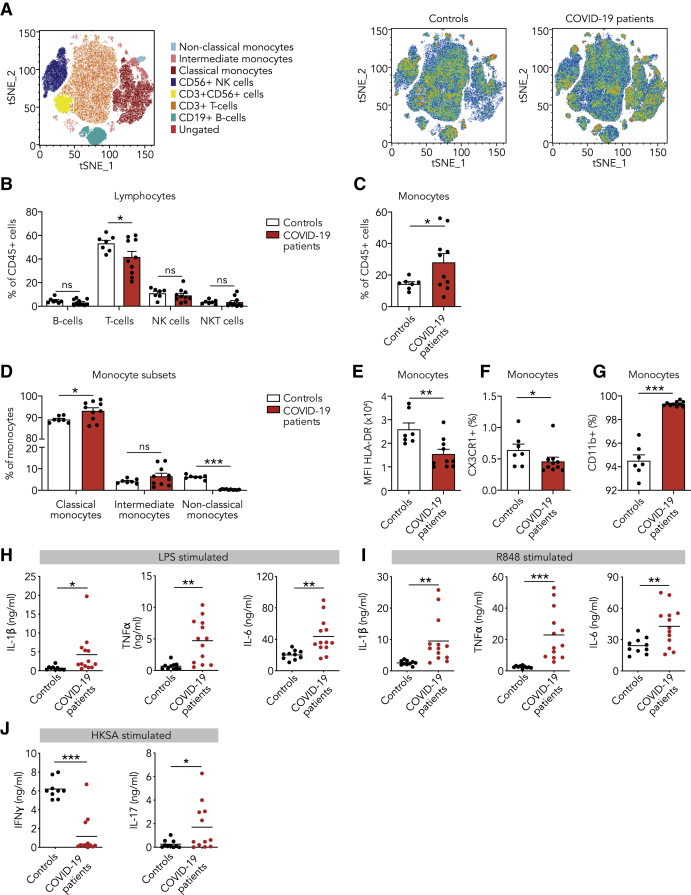
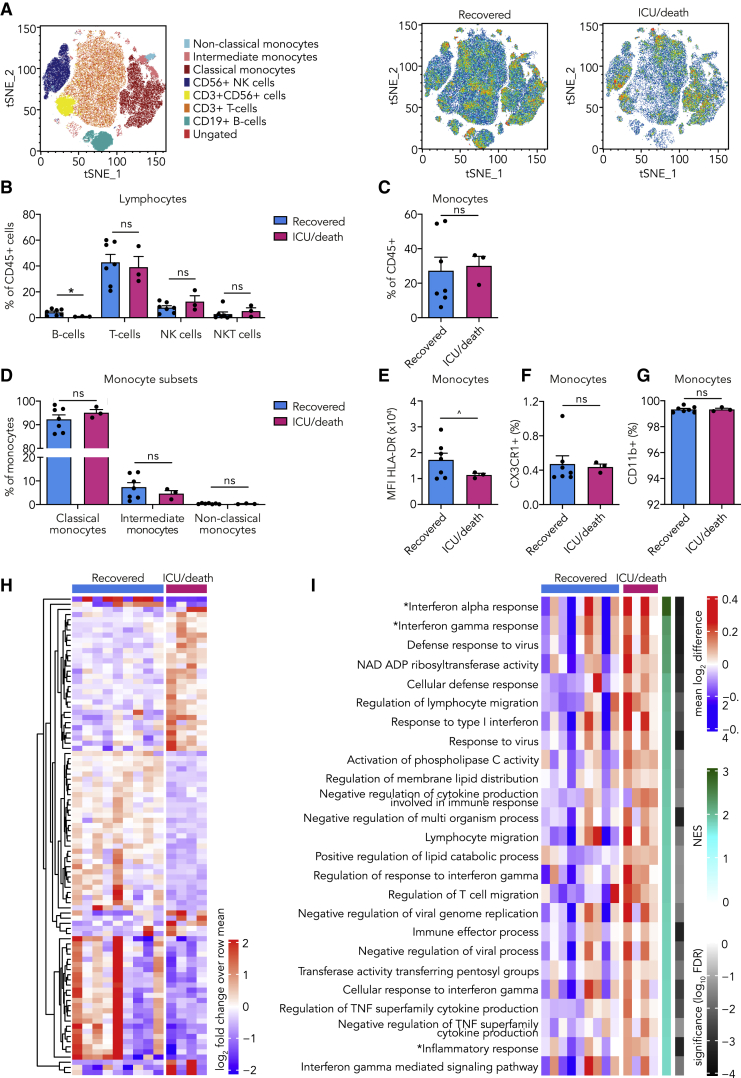
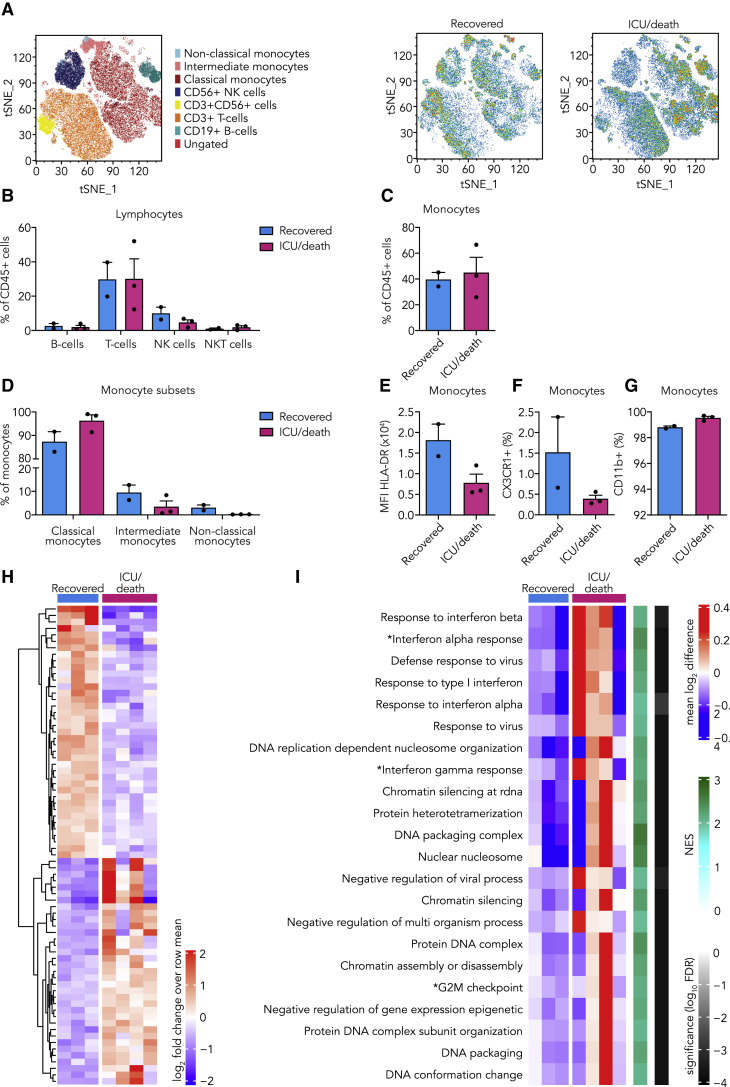
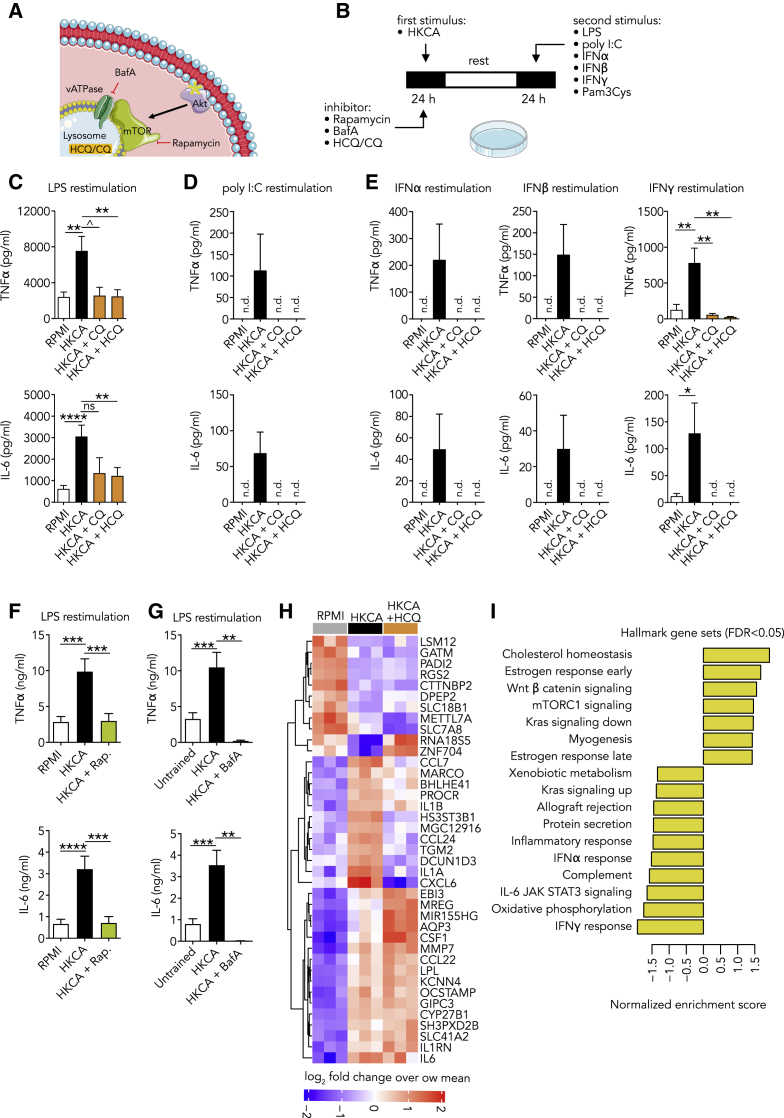
Hydroxychloroquine is being investigated for a potential prophylactic effect in severe acute respiratory syndrome coronavirus 2 (SARS-CoV-2) infection, but its mechanism of action is poorly understood. Circulating leukocytes from the blood of coronavirus disease 2019 (COVID-19) patients show increased responses to Toll-like receptor ligands, suggestive of trained immunity. By analyzing interferon responses of peripheral blood mononuclear cells from healthy donors conditioned with heat-killed , trained innate immunity can be modeled . In this model, hydroxychloroquine inhibits the responsiveness of these innate immune cells to virus-like stimuli and interferons. This is associated with a suppression of histone 3 lysine 27 acetylation and histone 3 lysine 4 trimethylation of inflammation-related genes, changes in the cellular lipidome, and decreased expression of interferon-stimulated genes. Our findings indicate that hydroxychloroquine inhibits trained immunity , which may not be beneficial for the antiviral innate immune response to SARS-CoV-2 infection in patients.
羟氯喹正在研究其对严重急性呼吸综合征冠状病毒 2 (SARS-CoV-2)感染的潜在预防作用,但对其作用机制尚不完全清楚。来自 2019 年冠状病毒病(COVID-19)患者血液的循环白细胞对 Toll 样受体配体的反应增加,提示存在训练有素的免疫。通过分析用热灭活物预处理的健康供体外周血单个核细胞的干扰素反应,可以模拟训练有素的先天免疫。在该模型中,羟氯喹抑制这些先天免疫细胞对病毒样刺激物和干扰素的反应性。这与炎症相关基因的组蛋白 3 赖氨酸 27 乙酰化和组蛋白 3 赖氨酸 4 三甲基化的抑制、细胞脂质组的变化以及干扰素刺激基因的表达降低有关。我们的研究结果表明,羟氯喹抑制了训练有素的免疫,这可能不利于患者对 SARS-CoV-2 感染的抗病毒先天免疫反应。