Department of Tissue Engineering and Applied Cell Sciences, School of Advanced Technologies, Shahrekord University of Medical Sciences, Shahrekord, Iran.
Department of Virology, Iran University of Medical Sciences, Tehran, Iran.
J Nanobiotechnology. 2021 Jan 4;19(1):1. doi: 10.1186/s12951-020-00755-7.
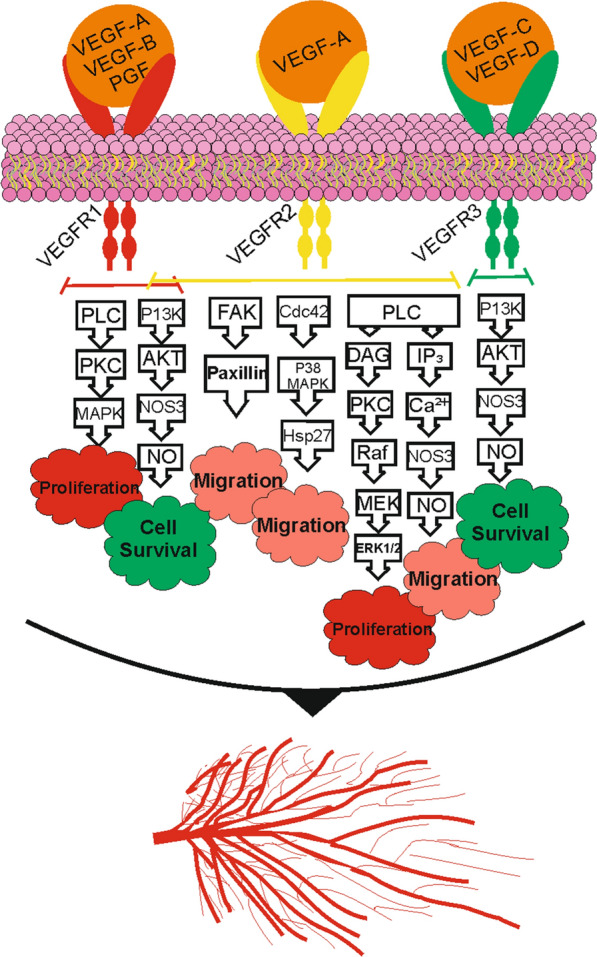
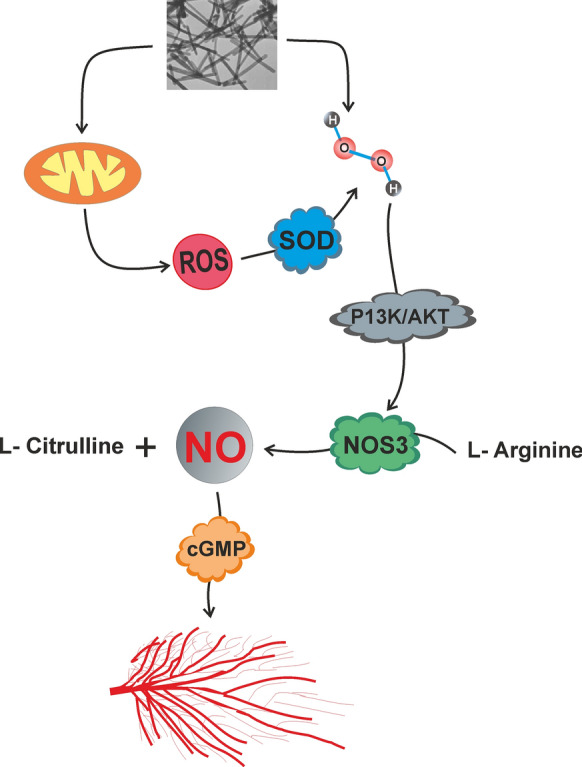
Skin is the body's first barrier against external pathogens that maintains the homeostasis of the body. Any serious damage to the skin could have an impact on human health and quality of life. Tissue engineering aims to improve the quality of damaged tissue regeneration. One of the most effective treatments for skin tissue regeneration is to improve angiogenesis during the healing period. Over the last decade, there has been an impressive growth of new potential applications for nanobiomaterials in tissue engineering. Various approaches have been developed to improve the rate and quality of the healing process using angiogenic nanomaterials. In this review, we focused on molecular mechanisms and key factors in angiogenesis, the role of nanobiomaterials in angiogenesis, and scaffold-based tissue engineering approaches for accelerated wound healing based on improved angiogenesis.
皮肤是人体抵御外来病原体的第一道屏障,维持着人体的内环境稳定。任何严重的皮肤损伤都可能对人类健康和生活质量产生影响。组织工程旨在改善受损组织的再生质量。促进组织修复期血管生成是治疗皮肤组织再生的最有效方法之一。在过去十年中,纳米生物材料在组织工程中的新的潜在应用取得了令人瞩目的发展。已经开发了各种方法来使用血管生成纳米材料来提高愈合过程的速度和质量。在这篇综述中,我们重点介绍了血管生成的分子机制和关键因素、纳米生物材料在血管生成中的作用以及基于改善血管生成的加速伤口愈合的支架组织工程方法。