Division of Plastic, Aesthetic and Reconstructive Surgery, Division of Thoracic and Hyperbaric Surgery, Medical University Graz, Auenbruggerplatz 29, A-8036 Graz, Austria.
Division of Thoracic and Hyperbaric Surgery, Medical University Graz, Auenbruggerplatz 29, A-8036 Graz, Austria.
Medicina (Kaunas). 2021 Jan 8;57(1):49. doi: 10.3390/medicina57010049.
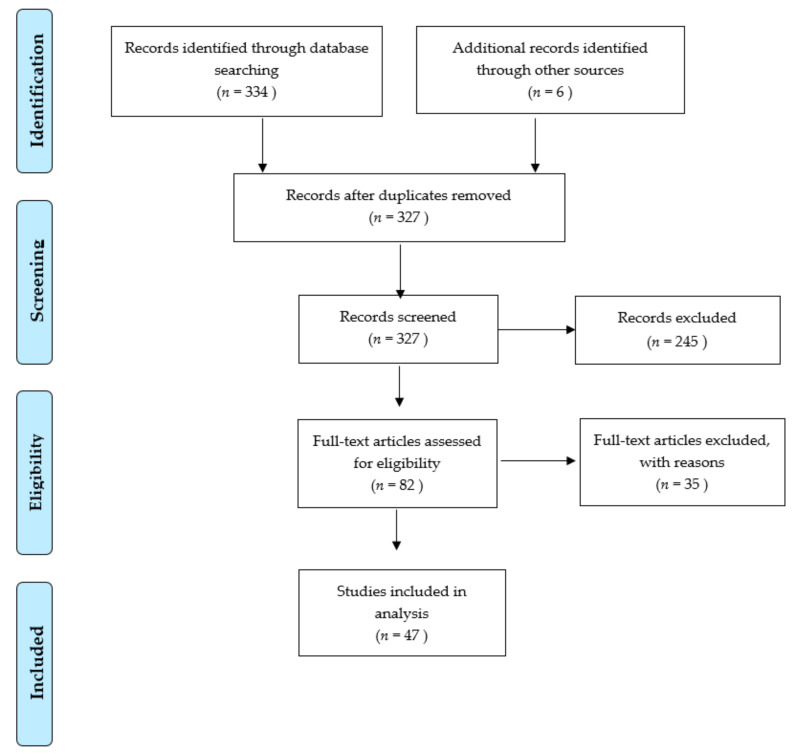
Hyperbaric oxygenation (HBO) denotes breathing of 100% oxygen under elevated ambient pressure. Since the initiation of HBO for burns in 1965, abundant experimental and clinical work has been done. Despite many undisputedly positive and only a few controversial results on the efficacy of adjunctive HBO for burn injury, the method has not yet been established in clinical routine. We did a retrospective analysis of the literature according to PRISMA-guidelines, from the very beginning of HBO for burns up to present, trying to elucidate the question why HBO is still sidelined in the treatment of burn injury. Forty-seven publications (32 animal experiments, four trials in human volunteers and 11 clinical studies) fulfilled the inclusion criteria. Except four investigators who found little or no beneficial action, all were able to demonstrate positive effects of HBO, most of them describing less edema, improved healing, less infection or bacterial growth and most recently, reduction of post-burn pain. Secondary enlargement of burn was prevented, as microvascular perfusion could be preserved, and cells were kept viable. The application of HBO, however, concerning pressure, duration, frequency and number of treatment sessions, varied considerably. Authors of large clinical studies underscored the intricate measures required when administering HBO in severe burns. HBO unquestionably has a positive impact on the pathophysiological mechanisms, and hence on the healing and course of burns. The few negative results are most likely due to peculiarities in the administration of HBO and possibly also to interactions when delivering the treatment to severely ill patients. Well-designed studies are needed to definitively assess its clinical value as an adjunctive treatment focusing on relevant outcome criteria such as wound healing time, complications, length of hospital stay, mortality and scar quality, while also defining optimal HBO dosage and timing.
高压氧治疗(HBO)是指在升高的环境压力下呼吸 100%的氧气。自 1965 年开始将 HBO 用于烧伤治疗以来,已经进行了大量的实验和临床工作。尽管有大量无可争议的积极结果,只有少数有争议的结果表明辅助 HBO 对烧伤的疗效,但该方法尚未在临床常规中得到确立。我们根据 PRISMA 指南对文献进行了回顾性分析,从 HBO 用于烧伤治疗的早期到现在,试图阐明为什么 HBO 在烧伤治疗中仍然处于次要地位的原因。有 47 篇出版物(32 篇动物实验、4 项人类志愿者试验和 11 项临床研究)符合纳入标准。除了 4 位研究者发现 HBO 几乎没有或没有有益作用外,所有研究者都能够证明 HBO 的积极作用,其中大多数描述了较少的水肿、改善的愈合、较少的感染或细菌生长,最近还描述了减少烧伤后的疼痛。继发性烧伤扩大得到了预防,因为微血管灌注得以保留,细胞保持存活。然而,HBO 的应用在压力、持续时间、频率和治疗次数方面存在很大差异。大型临床研究的作者强调了在严重烧伤中给予 HBO 时需要采取复杂的措施。HBO 无疑对病理生理机制产生了积极影响,从而对烧伤的愈合和病程产生了积极影响。少数负面结果很可能是由于 HBO 的给药特点以及在向重病患者提供治疗时的相互作用所致。需要进行精心设计的研究,以明确评估其作为辅助治疗的临床价值,重点关注相关的结局标准,如愈合时间、并发症、住院时间、死亡率和疤痕质量,同时还需要确定最佳的 HBO 剂量和时间。