Department of Business and Sociology, Universidad de Extremadura, 10071 Cáceres, Spain.
Department of Computering Science, Universidad de Alcalá, 28801 Alcalá de Henares, Spain.
Int J Environ Res Public Health. 2021 Jan 15;18(2):718. doi: 10.3390/ijerph18020718.
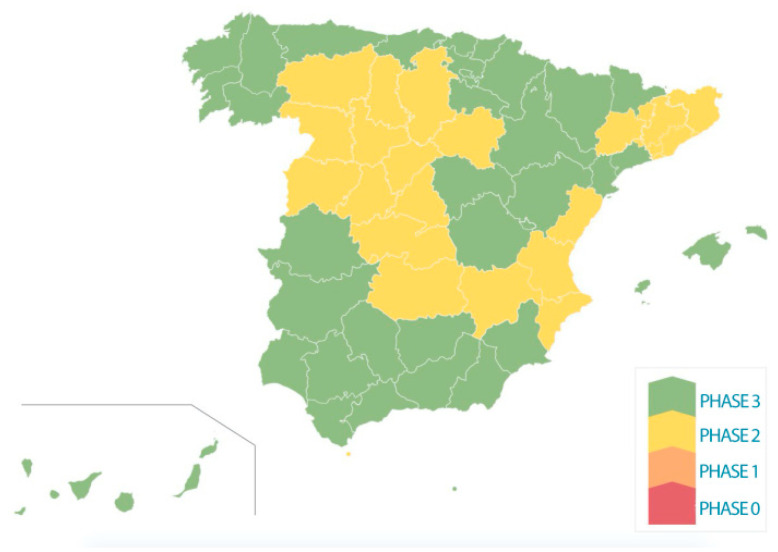
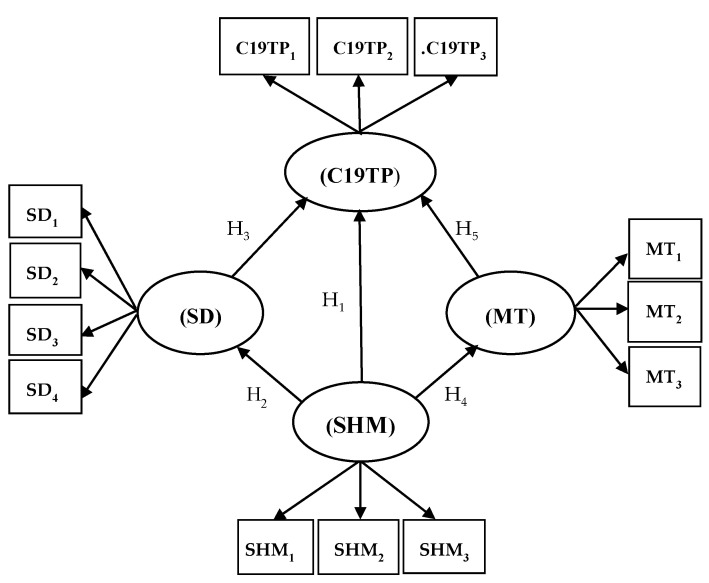
The health crisis caused by the outbreak of the COVID-19 disease has devastated the worldwide hospitality sector. The current situation has led many countries to implement drastic rules to stop the spread of the virus. According to the Spanish health authority decisions need to be made in the context of uncertainty and lack of knowledgeable experiences through a gradual and asymmetric de-escalation process planned in four phases. Although the vast majority of studies refer to economic risks and impacts on tourist flows and economic income, few of them explicitly investigates safety and health measures that hotel managers should implement to their customers. Over a population of 12,740 hotels, 823 Spanish hotel managers have been involved in a participatory study. With the aim of assessing the actions taken to stop the spread of the virus, empirical research was implemented. A model presented four variables and 13 indicators which have been previously tested among hotel managers in the tourism sector. Five conclusions are drawn from the hypotheses: (1) Mass testing surveillance in customers and employees should be quick, affordable, and homogeneous throughout the European Union. (2) Training measures need to be taken by both public authorities and the private sector to reach a knowledgeable crisis management team with high commitment to the customer's health and safety. (3) Protocols established by public authorities should be observed and adjusted gradually not only in hotels but also in tourist arrivals. (4) Healthy measures need to be periodically updated. (5) Each hotel should set up a surveillance process to guarantee the safety to their customers.
由 COVID-19 疾病爆发引起的健康危机重创了全球酒店业。当前的形势导致许多国家实施了严厉的措施来阻止病毒的传播。根据西班牙卫生当局的决策,需要在不确定和缺乏知识经验的情况下做出决策,通过逐步和非对称的降级过程分四个阶段进行计划。尽管绝大多数研究都提到了经济风险以及对游客流量和经济收入的影响,但很少有研究明确调查酒店经理应为其客户实施的安全和健康措施。在 12740 家酒店的人群中,有 823 名西班牙酒店经理参与了一项参与式研究。为了评估阻止病毒传播的措施,进行了实证研究。该模型提出了四个变量和 13 个指标,这些变量和指标已经在旅游部门的酒店经理中进行了测试。从假设中得出了五个结论:(1)在欧盟范围内,应迅速、负担得起且同质化地对客户和员工进行大规模检测监测。(2)公共当局和私营部门都需要采取培训措施,以建立一个知识渊博、对客户健康和安全高度承诺的危机管理团队。(3)应遵守公共当局制定的协议,并在酒店和游客到达时逐步进行调整。(4)需要定期更新健康措施。(5)每家酒店都应建立一个监控流程,以保证其客户的安全。