Zhao Xinyan, Tian Geng G, Fang Qian, Pei Xiuying, Wang Zhaoxia, Wu Ji
Key Laboratory of Fertility Preservation and Maintenance of Ministry of Education, Ningxia Medical University, Yinchuan 750004, China.
Key Laboratory for the Genetics of Developmental & Neuropsychiatric Disorders (Ministry of Education), Bio-X Institutes, Shanghai Jiao Tong University, Shanghai 200240, China.
Mol Ther Nucleic Acids. 2020 Nov 26;23:431-439. doi: 10.1016/j.omtn.2020.11.020. eCollection 2021 Mar 5.
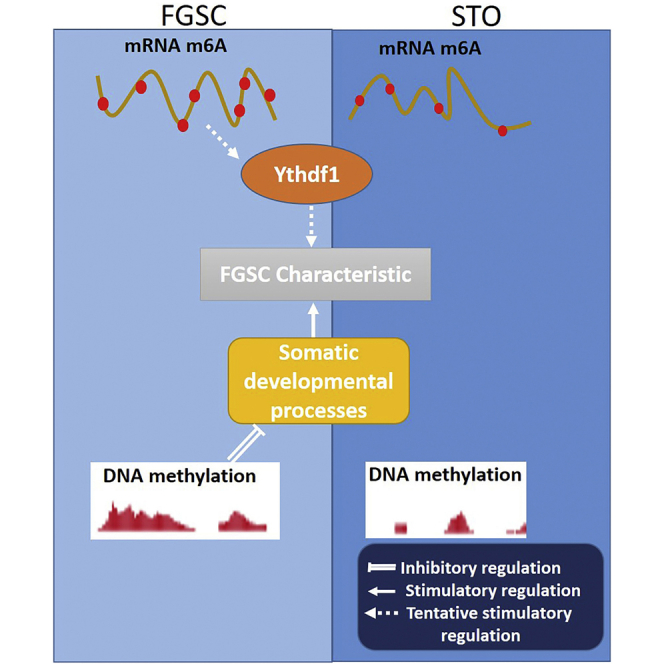
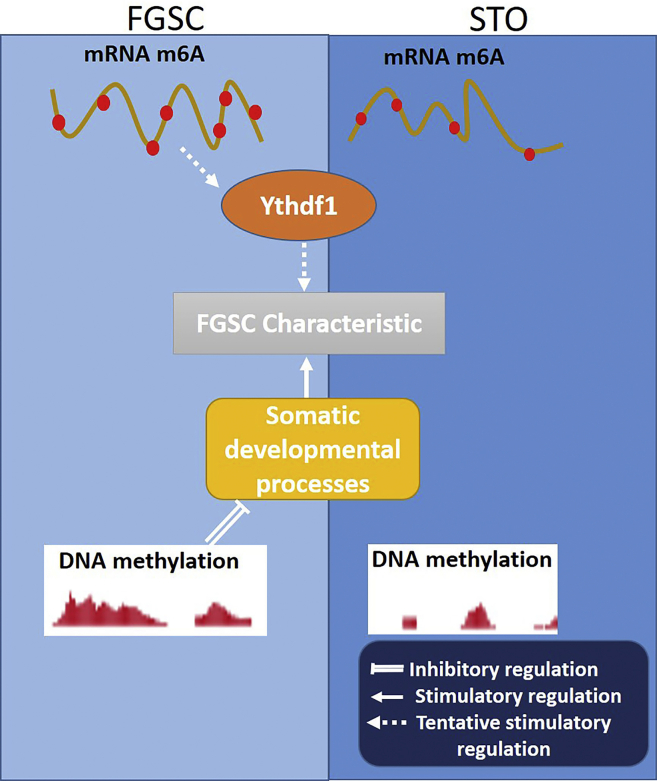
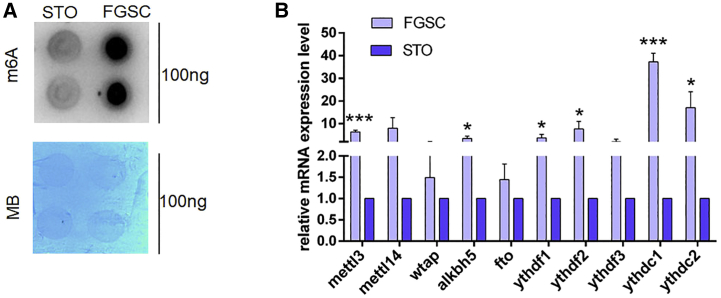
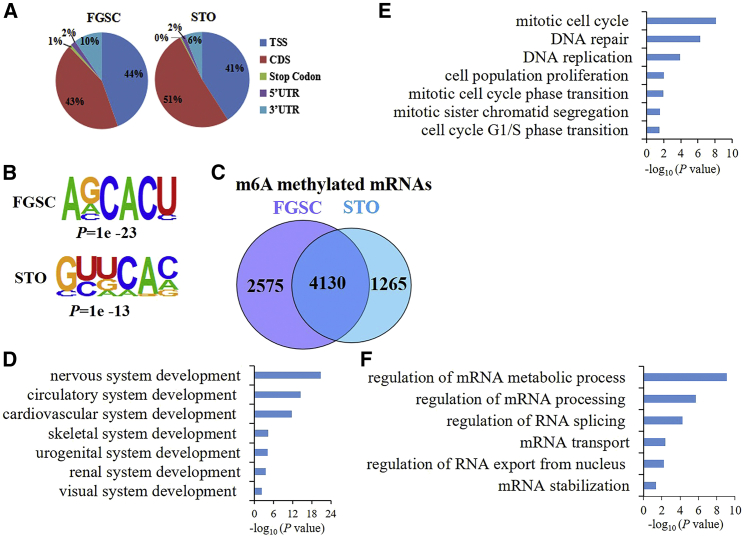
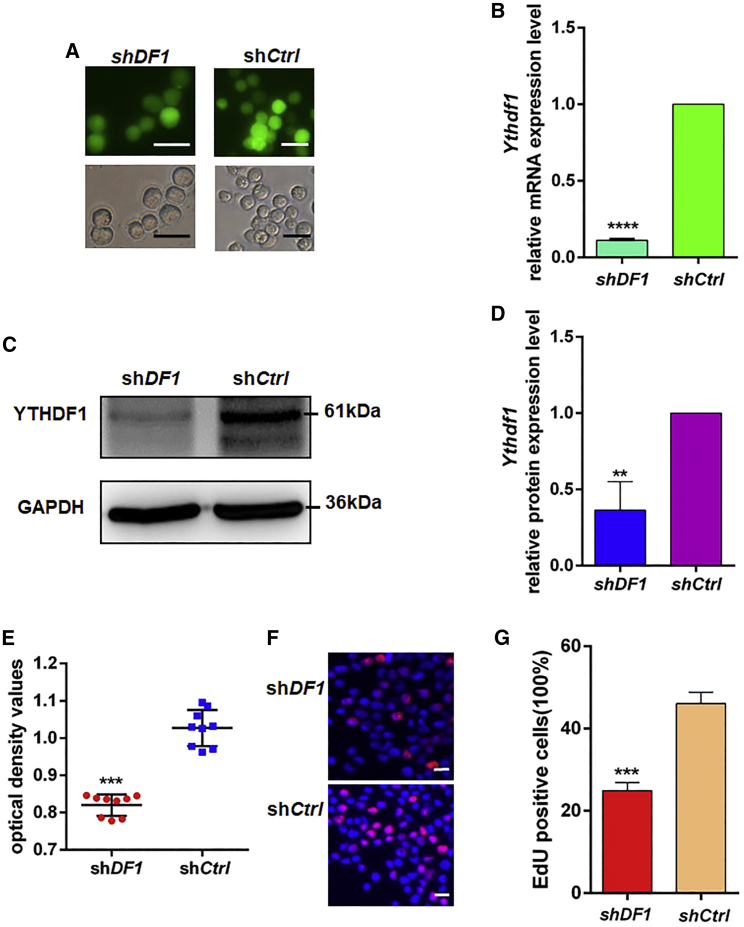
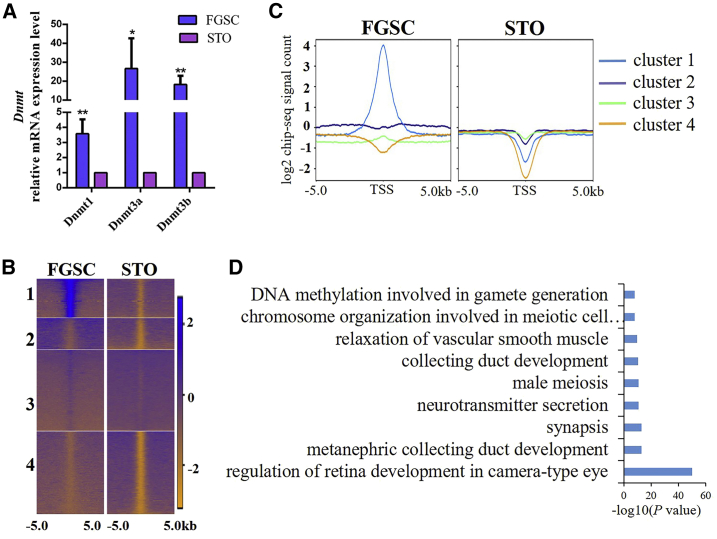
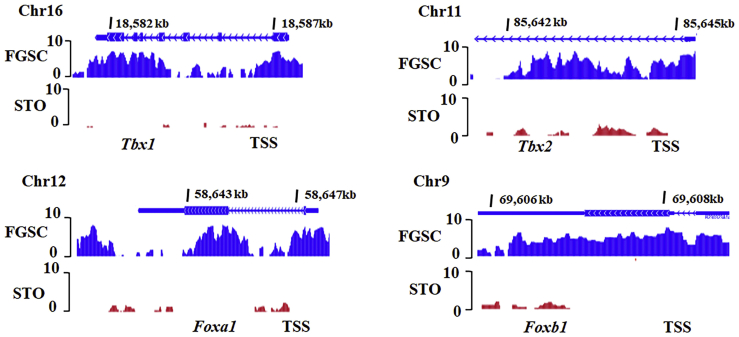
N-methyladenosine (mA) methylation modification is the most prevalent and abundant internal modification of eukaryotic mRNAs. Increasing evidence has shown that mRNA mA plays important roles in the development of stem cells. However, to the best of our knowledge, no reports about the roles of mRNA mA in mouse female germline stem cells (mFGSCs) have been published. In this study, we compared the genome-wide profiles of mRNA mA methylation and DNA methylation between FGSCs and sandosinbred mice (SIM) embryo-derived thioguanine and ouabain-resistant (STO) cells. qRT-PCR revealed that the expression levels of mRNA mA-related genes (, , , , , and ) in FGSCs were significantly higher than those in STO cells. mA RNA immunoprecipitation sequencing (MeRIP-seq) data further showed that the unique mA-methylated mRNAs in FGSCs and STO cells were related to cell population proliferation and somatic development, respectively. Additionally, knockdown of inhibited FGSC self-renewal. Comparison of methylated DNA immunoprecipitation sequencing (MeDIP-seq) results between FGSCs and STO cells identified that DNA methylation contributed to FGSC proliferation by suppressing the somatic program. These results suggested that mA regulated FGSC self-renewal possibly through mA binding protein YTHDF1, and DNA methylation repressed somatic programs in FGSCs to maintain FGSC characteristics.
N-甲基腺苷(mA)甲基化修饰是真核生物mRNA中最普遍且丰富的内部修饰。越来越多的证据表明,mRNA mA在干细胞发育中发挥着重要作用。然而,据我们所知,尚未有关于mRNA mA在小鼠雌性生殖系干细胞(mFGSCs)中作用的报道。在本研究中,我们比较了FGSCs与桑岛近交系小鼠(SIM)胚胎来源的硫代鸟嘌呤和哇巴因抗性(STO)细胞之间mRNA mA甲基化和DNA甲基化的全基因组图谱。qRT-PCR显示,FGSCs中mRNA mA相关基因(、、、、、和)的表达水平显著高于STO细胞。mA RNA免疫沉淀测序(MeRIP-seq)数据进一步表明,FGSCs和STO细胞中独特的mA甲基化mRNA分别与细胞群体增殖和体细胞发育相关。此外,敲低抑制了FGSC的自我更新。比较FGSCs和STO细胞之间的甲基化DNA免疫沉淀测序(MeDIP-seq)结果发现,DNA甲基化通过抑制体细胞程序促进FGSC增殖。这些结果表明,mA可能通过mA结合蛋白YTHDF1调节FGSC的自我更新,而DNA甲基化抑制FGSCs中的体细胞程序以维持FGSC的特性。