State Key Laboratory of Pathogenesis, Prevention and Treatment of High Incidence Diseases in Central Asia, College of Medical Engineering and Technology, Xinjiang Medical University, Urumqi, China.
State Key Laboratory of Pathogenesis, Prevention and Treatment of High Incidence Diseases in Central Asia, College of Medical Engineering and Technology, Xinjiang Medical University, Urumqi, China
BMJ Open. 2021 Jan 21;11(1):e041040. doi: 10.1136/bmjopen-2020-041040.
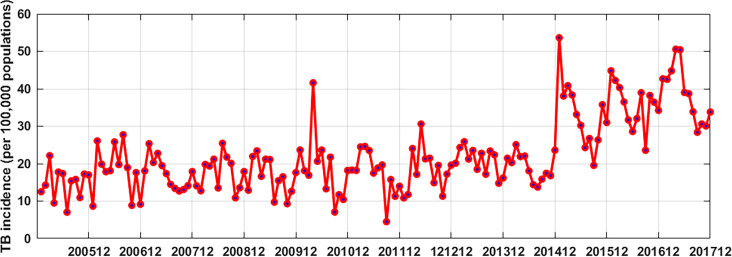
Kashgar, located in Xinjiang, China has a high incidence of tuberculosis (TB) making prevention and control extremely difficult. In addition, there have been very few prediction studies on TB incidence here. We; therefore, considered it a high priority to do prediction analysis of TB incidence in Kashgar, and so provide a scientific reference for eventual prevention and control.
Time series study.
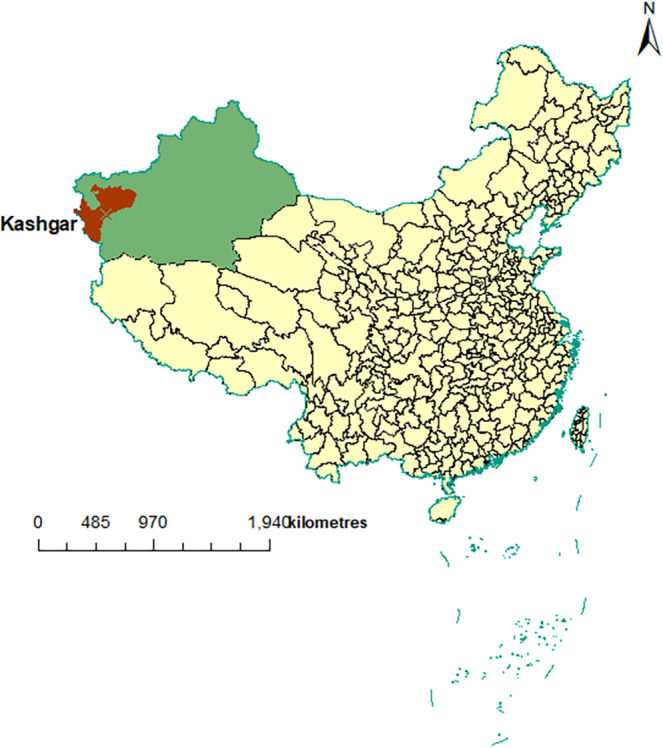
SETTING KASHGAR, CHINA: Kashgar, China.
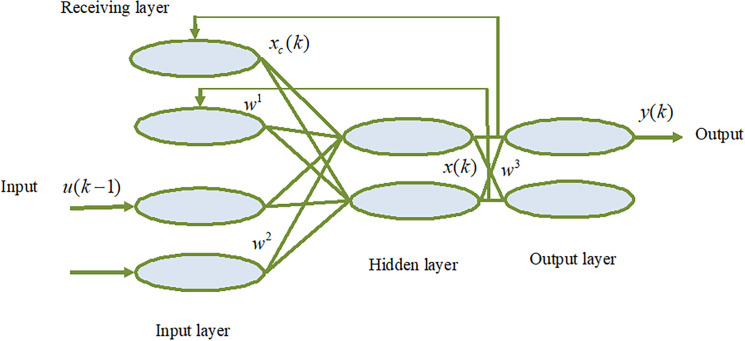
We used a single Box-Jenkins method and a Box-Jenkins and Elman neural network (ElmanNN) hybrid method to do prediction analysis of TB incidence in Kashgar. Root mean square error (RMSE), mean absolute error (MAE) and mean absolute percentage error (MAPE) were used to measure the prediction accuracy.
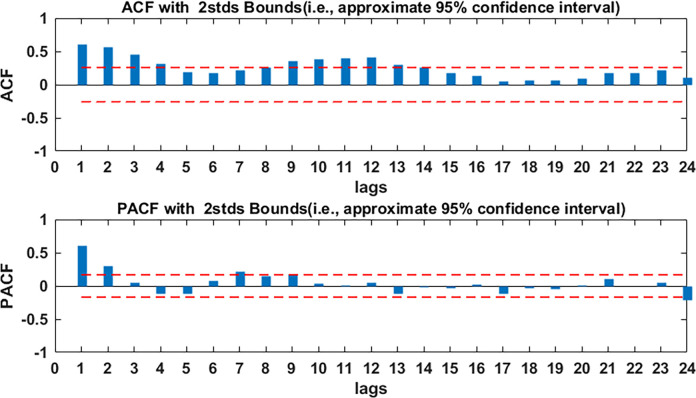
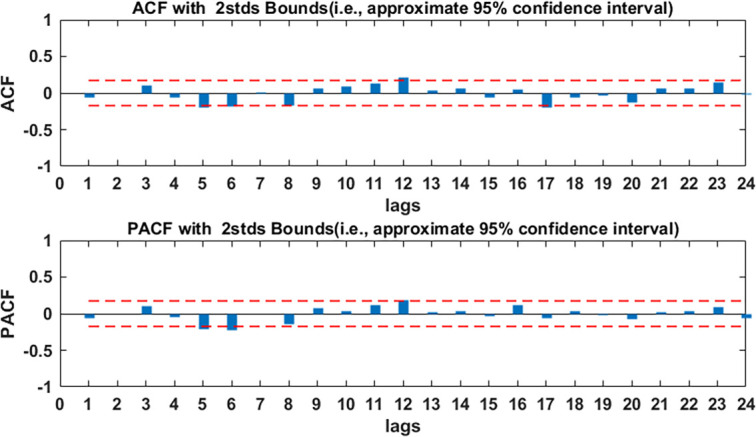
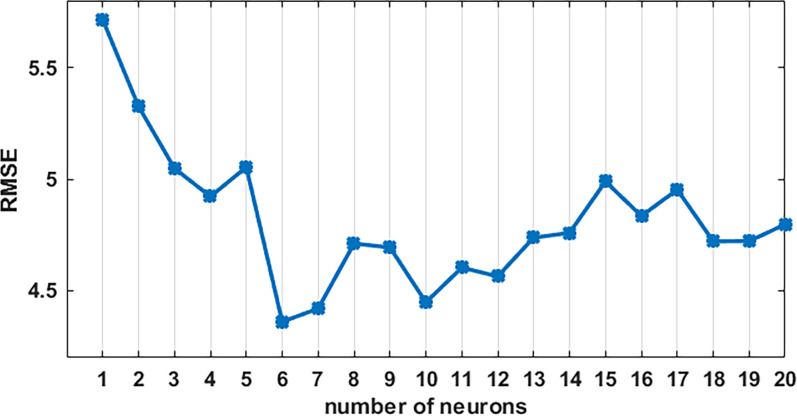
After careful analysis, the single autoregression (AR) (1, 2, 8) model and the AR (1, 2, 8)-ElmanNN (AR-Elman) hybrid model were established, and the optimal neurons value of the AR-Elman hybrid model is 6. In the fitting dataset, the RMSE, MAE and MAPE were 6.15, 4.33 and 0.2858, respectively, for the AR (1, 2, 8) model, and 3.78, 3.38 and 0.1837, respectively, for the AR-Elman hybrid model. In the forecasting dataset, the RMSE, MAE and MAPE were 10.88, 8.75 and 0.2029, respectively, for the AR (1, 2, 8) model, and 8.86, 7.29 and 0.2006, respectively, for the AR-Elman hybrid model.
Both the single AR (1, 2, 8) model and the AR-Elman model could be used to predict the TB incidence in Kashgar, but the modelling and validation scale-dependent measures (RMSE, MAE and MAPE) in the AR (1, 2, 8) model were inferior to those in the AR-Elman hybrid model, which indicated that the AR-Elman hybrid model was better than the AR (1, 2, 8) model. The Box-Jenkins and ElmanNN hybrid method therefore can be highlighted in predicting the temporal trends of TB incidence in Kashgar, which may act as the potential for far-reaching implications for prevention and control of TB.
中国新疆喀什结核病发病率高,防治工作十分困难。此外,这里几乎没有结核病发病率的预测研究。因此,我们认为对喀什结核病发病率进行预测分析是当务之急,为最终的预防和控制提供科学依据。
时间序列研究。
中国喀什:中国喀什。
采用单 Box-Jenkins 法和 Box-Jenkins-Elman 神经网络(ElmanNN)混合法对喀什结核病发病率进行预测分析。均方根误差(RMSE)、平均绝对误差(MAE)和平均绝对百分比误差(MAPE)用于衡量预测精度。
经过仔细分析,建立了单自回归(AR)(1、2、8)模型和 AR(1、2、8)-ElmanNN(AR-Elman)混合模型,AR-Elman 混合模型的最佳神经元值为 6。在拟合数据集,AR(1、2、8)模型的 RMSE、MAE 和 MAPE 分别为 6.15、4.33 和 0.2858,AR-Elman 混合模型分别为 3.78、3.38 和 0.1837。在预测数据集,AR(1、2、8)模型的 RMSE、MAE 和 MAPE 分别为 10.88、8.75 和 0.2029,AR-Elman 混合模型分别为 8.86、7.29 和 0.2006。
单自回归(AR)(1、2、8)模型和 AR-Elman 模型均可用于预测喀什结核病发病率,但 AR(1、2、8)模型的建模和验证规模相关度量(RMSE、MAE 和 MAPE)不如 AR-Elman 混合模型,表明 AR-Elman 混合模型优于 AR(1、2、8)模型。因此,Box-Jenkins 和 ElmanNN 混合方法可以突出预测喀什结核病发病率的时间趋势,这可能对结核病的预防和控制具有深远的意义。