Remali Juwairiah, Aizat Wan Mohd
Institute of Systems Biology (INBIOSIS), Universiti Kebangsaan Malaysia (UKM), Bangi, Malaysia.
Front Pharmacol. 2021 Jan 11;11:589044. doi: 10.3389/fphar.2020.589044. eCollection 2020.
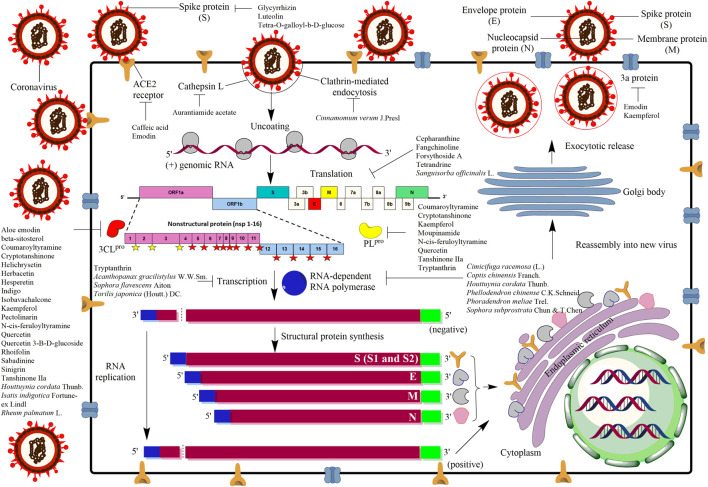
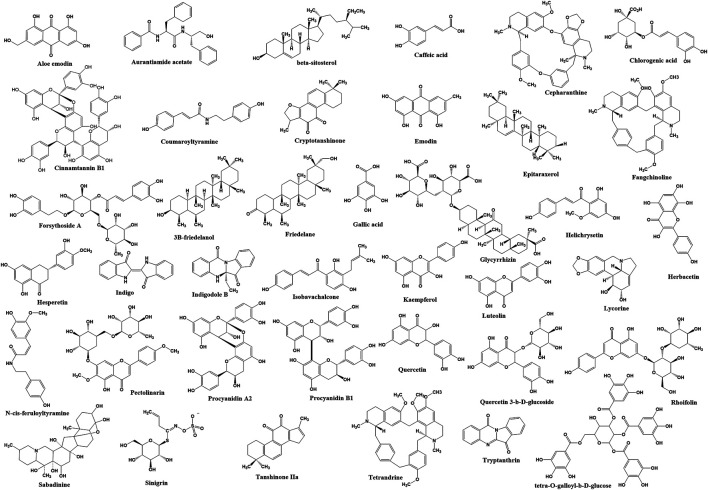
The rapid outbreak of coronavirus disease 2019 (COVID-19) has demonstrated the need for development of new vaccine candidates and therapeutic drugs to fight against the underlying virus, severe acute respiratory syndrome-coronavirus-2 (SARS-CoV-2). Currently, no antiviral treatment is available to treat COVID-19 as treatment is mostly directed to only relieving the symptoms. Retrospectively, herbal medicinal plants have been used for thousands of years as a medicinal alternative including for the treatment of various viral illnesses. However, a comprehensive description using various medicinal plants in treating coronavirus infection has not to date been described adequately, especially their modes of action. Most other reports and reviews have also only focused on selected ethnobotanical herbs such as Traditional Chinese Medicine, yet more plants can be considered to enrich the source of the anti-viral compounds. In this review, we have screened and identified potential herbal medicinal plants as anti-coronavirus medication across major literature databases without being limited to any regions or ethnobotanic criteria. As such we have successfully gathered experimentally validated , or findings of more than 30 plants in which these plant extracts or their related compounds, such as those of L., Thunb. and Nakai, are described through their respective modes of action against specific mechanisms or pathways during the viral infection. This includes inhibition of viral attachment and penetration, inhibition of viral RNA and protein synthesis, inhibition of viral key proteins such as 3-chymotrypsin-like cysteine protease (3CL) and papain-like protease 2 (PL), as well as other mechanisms including inhibition of the viral release and enhanced host immunity. We hope this compilation will help researchers and clinicians to identify the source of appropriate anti-viral drugs from plants in combating COVID-19 and, ultimately, save millions of affected human lives.
2019年冠状病毒病(COVID-19)的迅速爆发表明,需要开发新的候选疫苗和治疗药物来对抗其病原体——严重急性呼吸综合征冠状病毒2(SARS-CoV-2)。目前,尚无抗病毒治疗方法可用于治疗COVID-19,因为治疗大多仅针对缓解症状。回顾历史,草药植物作为一种药物替代品已被使用了数千年,包括用于治疗各种病毒疾病。然而,迄今为止,尚未充分描述使用各种药用植物治疗冠状病毒感染的情况,尤其是它们的作用方式。大多数其他报告和综述也仅关注选定的民族植物药,如传统中药,然而,可以考虑更多的植物来丰富抗病毒化合物的来源。在本综述中,我们在主要文献数据库中筛选并鉴定了潜在的抗冠状病毒草药,且不受任何地区或民族植物学标准的限制。因此,我们成功收集了30多种植物经过实验验证的 、 或 的研究结果,其中这些植物提取物或其相关化合物,如 属植物、 属植物和 属植物,通过它们在病毒感染期间针对特定机制或途径的各自作用方式进行了描述。这包括抑制病毒附着和穿透、抑制病毒RNA和蛋白质合成、抑制病毒关键蛋白如3-糜蛋白酶样半胱氨酸蛋白酶(3CL)和木瓜蛋白酶样蛋白酶2(PL),以及其他机制,包括抑制病毒释放和增强宿主免疫力。我们希望这一汇编将帮助研究人员和临床医生从植物中识别合适的抗病毒药物来源,以对抗COVID-19,最终拯救数百万受影响的人类生命。