Division of Cancer Epigenomics, German Cancer Research Center (DKFZ), 69120, Heidelberg, Germany.
Faculty of Biosciences, Ruprecht-Karls-University of Heidelberg, 69120, Heidelberg, Germany.
Genome Med. 2021 Feb 10;13(1):23. doi: 10.1186/s13073-021-00837-7.
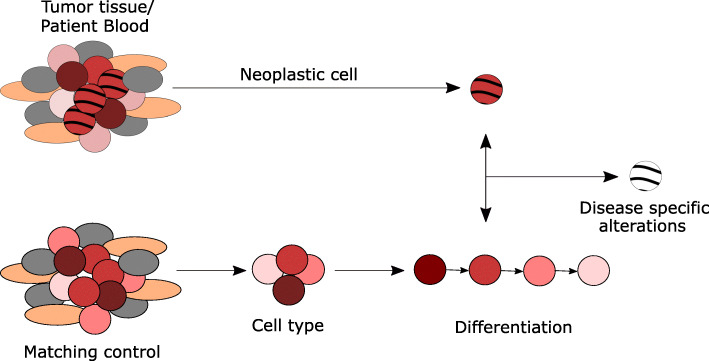
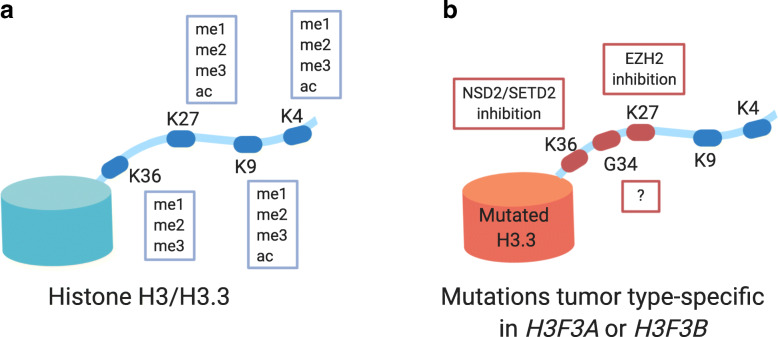
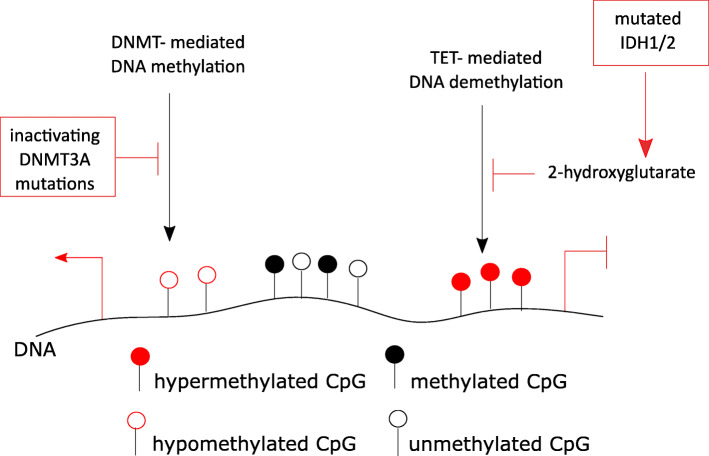
Epigenetic alterations are associated with normal biological processes such as aging or differentiation. Changes in global epigenetic signatures, together with genetic alterations, are driving events in several diseases including cancer. Comparative studies of cancer and healthy tissues found alterations in patterns of DNA methylation, histone posttranslational modifications, and changes in chromatin accessibility. Driven by sophisticated, next-generation sequencing-based technologies, recent studies discovered cancer epigenomes to be dominated by epigenetic patterns already present in the cell-of-origin, which transformed into a neoplastic cell. Tumor-specific epigenetic changes therefore need to be redefined and factors influencing epigenetic patterns need to be studied to unmask truly disease-specific alterations. The underlying mechanisms inducing cancer-associated epigenetic alterations are poorly understood. Studies of mutated epigenetic modifiers, enzymes that write, read, or edit epigenetic patterns, or mutated chromatin components, for example oncohistones, help to provide functional insights on how cancer epigenomes arise. In this review, we highlight the importance and define challenges of proper control tissues and cell populations to exploit cancer epigenomes. We summarize recent advances describing mechanisms leading to epigenetic changes in tumorigenesis and briefly discuss advances in investigating their translational potential.
表观遗传改变与衰老或分化等正常生物学过程有关。全球表观遗传特征的变化,加上遗传改变,正在推动包括癌症在内的几种疾病的发展。对癌症和健康组织的比较研究发现,DNA 甲基化、组蛋白翻译后修饰和染色质可及性的变化模式发生了改变。在基于高通量测序技术的推动下,最近的研究发现,癌症表观基因组主要由起源细胞中已经存在的表观遗传模式驱动,这些模式转化为肿瘤细胞。因此,需要重新定义肿瘤特异性表观遗传改变,并研究影响表观遗传模式的因素,以揭示真正的疾病特异性改变。诱导与癌症相关的表观遗传改变的潜在机制知之甚少。对突变的表观遗传修饰物(例如,能够书写、读取或编辑表观遗传模式的酶)或突变的染色质成分(例如癌组蛋白)的研究有助于提供关于癌症表观基因组如何产生的功能见解。在这篇综述中,我们强调了正确控制组织和细胞群体的重要性,并定义了利用癌症表观基因组的挑战。我们总结了描述肿瘤发生过程中导致表观遗传变化的机制的最新进展,并简要讨论了研究其转化潜力的进展。