Nguyen Ly Thi Huong, Ahn Sang Hyun, Nguyen Uy Thai, Yang In Jun, Shin Heung Mook
Department of Physiology, College of Korean Medicine, Dongguk University, Gyeongju 38066, Republic of Korea.
Department of Anatomy, College of Korean Medicine, Semyung University, Jecheon-si 27136, Republic of Korea.
Evid Based Complement Alternat Med. 2021 Feb 2;2021:8847358. doi: 10.1155/2021/8847358. eCollection 2021.
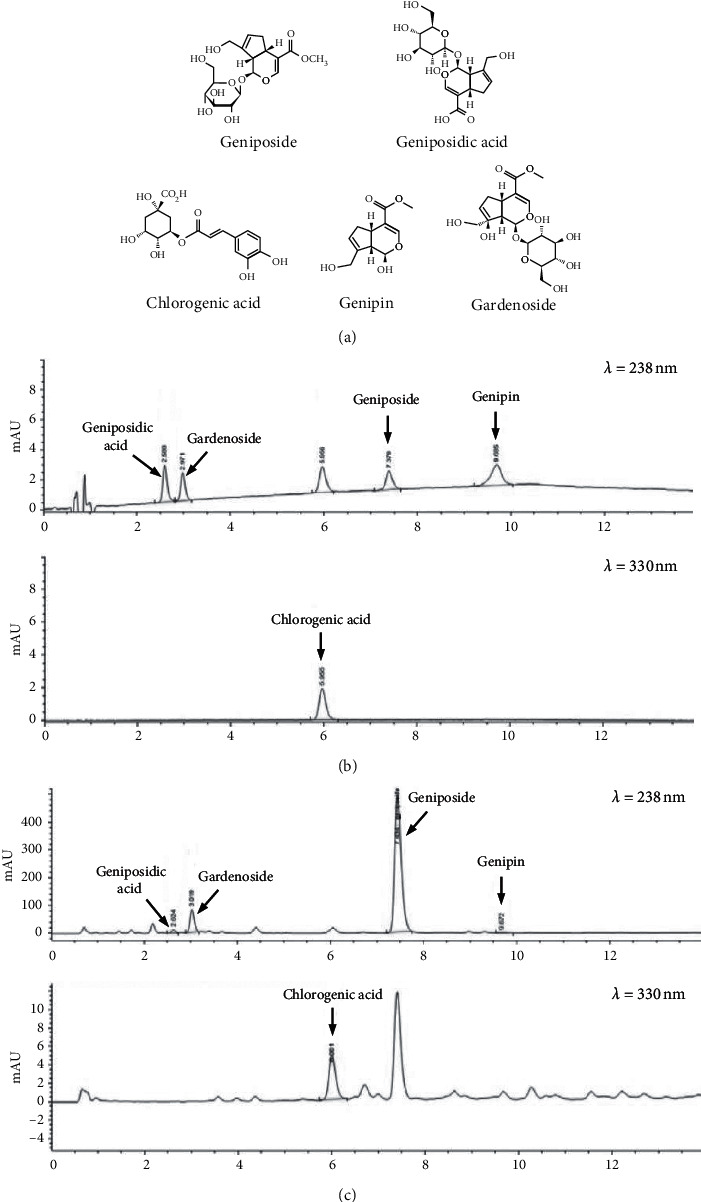
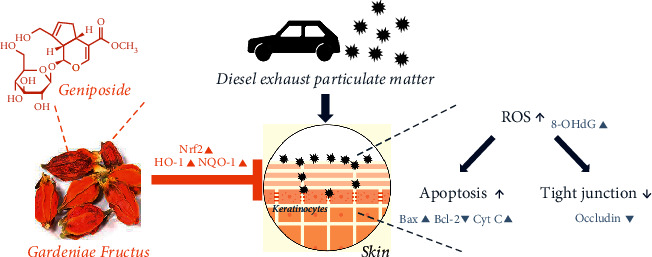
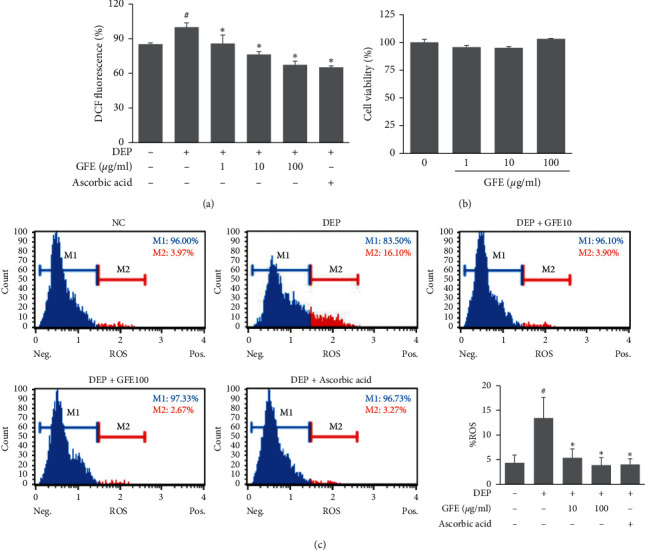
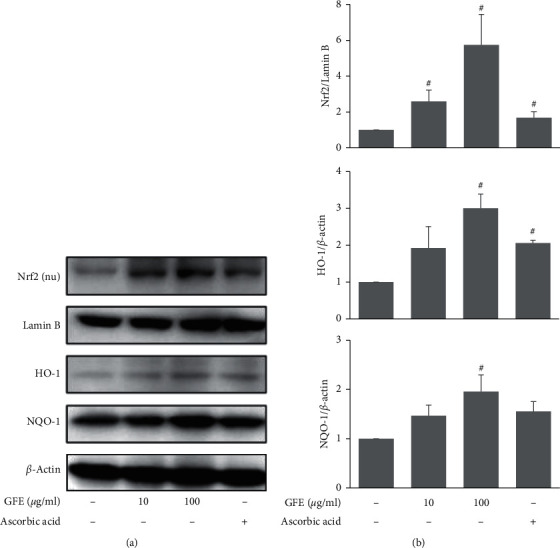
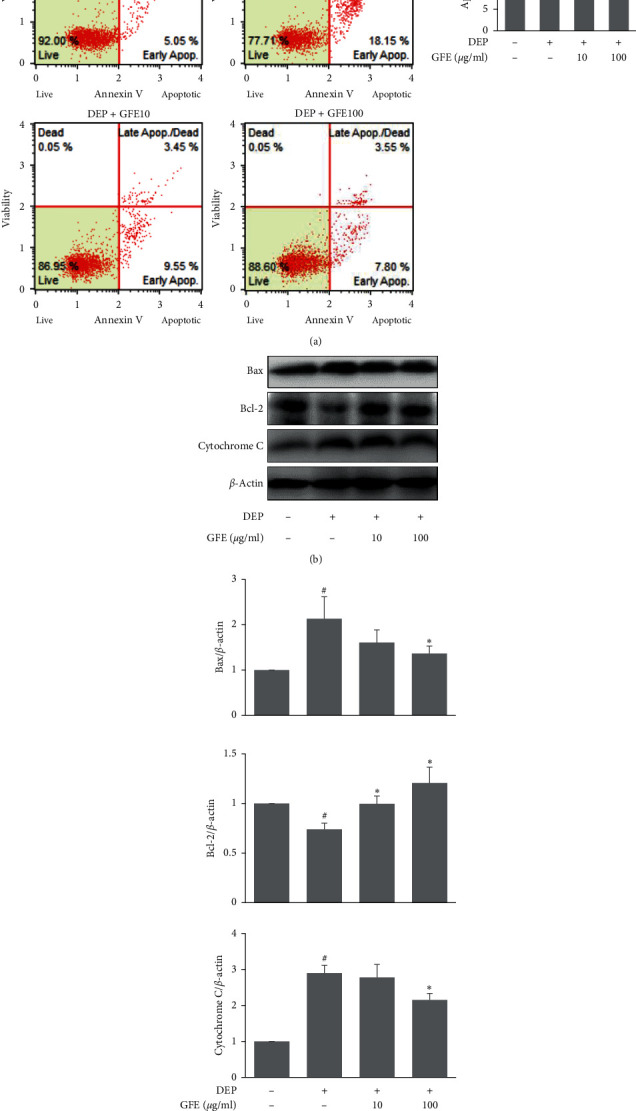
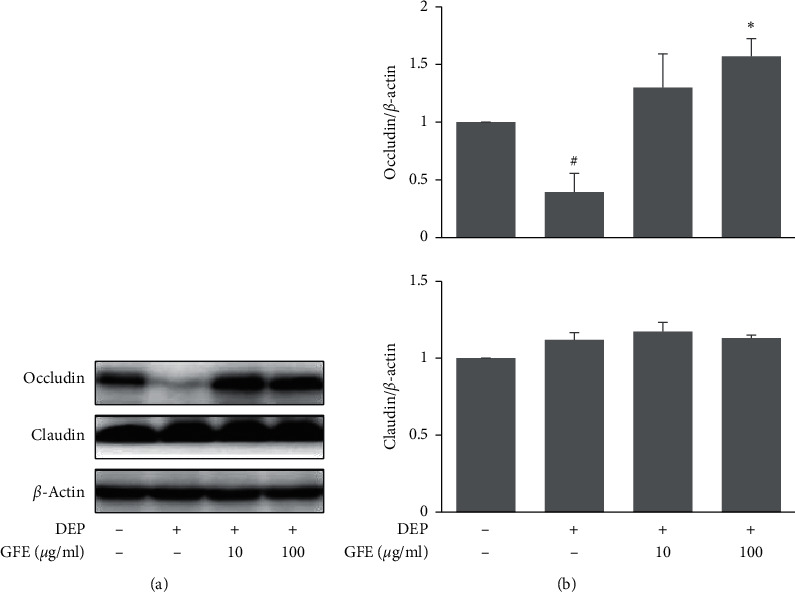
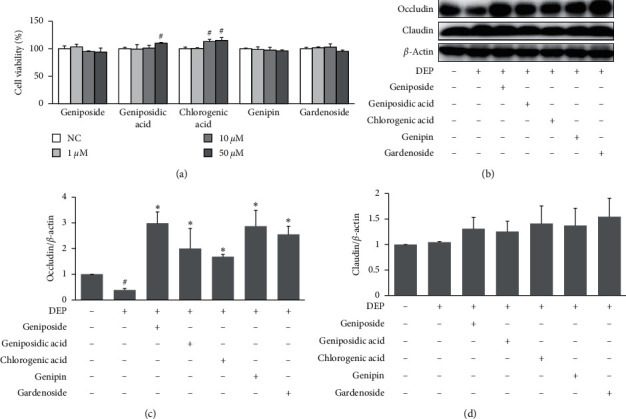
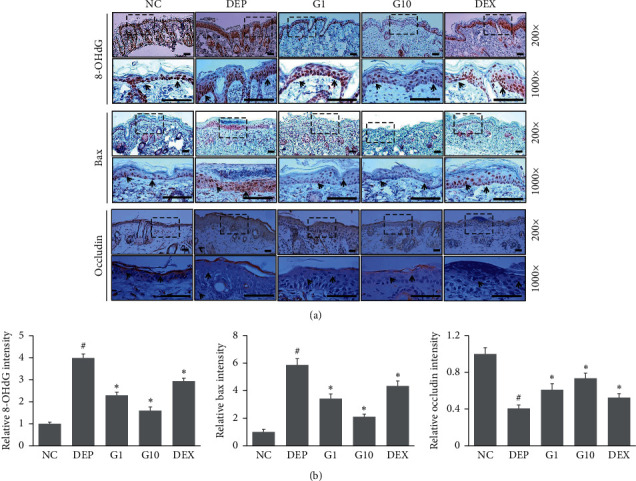
Gardeniae Fructus (GF) is the fruit of Ellis and is traditionally prescribed to treat pyogenic infections and skin ulcers. This study investigated the protective effects of GF and the underlying mechanism responsible for these effects on diesel exhaust particulate matter- (DEP-) induced skin damage. The protective effects of an ethanolic extract of GF (GFE) and its constituents (geniposidic acid, gardenoside, geniposide, chlorogenic acid, and genipin) were examined by analyzing reactive oxygen species (ROS) production, apoptosis, and tight junction (TJ) protein expression in HaCaT cells. Treatment with GFE dose-dependently inhibited intracellular ROS production and apoptosis by regulating the protein expressions of Bax, Bcl-2, and cytochrome C in DEP-stimulated (100 g/ml) HaCaT cells. Mechanistic studies revealed that the protective effects of GFE were related to its activation of Nrf2 and HO-1 signaling in HaCaT cells. Geniposide, a main constituent of GFE, enhanced the expression of occludin in DEP-stimulated HaCaT cells. Furthermore, topical application of geniposide reduced the expressions of 8-OHdG and Bax and increased the expression of occludin in the dorsal skin lesions of DEP-stimulated mice. Gardeniae Fructus and its main component geniposide are potential candidates for the repair of DEP-induced skin damage due to their antioxidant and antiapoptotic activities.
栀子是栀子科植物的果实,传统上用于治疗化脓性感染和皮肤溃疡。本研究调查了栀子及其对柴油废气颗粒物(DEP)诱导的皮肤损伤的保护作用及其潜在机制。通过分析人永生化角质形成细胞(HaCaT细胞)中的活性氧(ROS)生成、细胞凋亡和紧密连接(TJ)蛋白表达,研究了栀子乙醇提取物(GFE)及其成分(京尼平苷酸、栀子苷、栀子苷、绿原酸和京尼平)的保护作用。在DEP刺激(100μg/ml)的HaCaT细胞中,GFE处理通过调节Bax、Bcl-2和细胞色素C的蛋白表达,剂量依赖性地抑制细胞内ROS生成和细胞凋亡。机制研究表明,GFE的保护作用与其在HaCaT细胞中激活Nrf2和HO-1信号通路有关。GFE的主要成分栀子苷增强了DEP刺激的HaCaT细胞中闭合蛋白的表达。此外,局部应用栀子苷可降低DEP刺激小鼠背部皮肤损伤中8-羟基脱氧鸟苷(8-OHdG)和Bax的表达,并增加闭合蛋白的表达。栀子及其主要成分栀子苷因其抗氧化和抗凋亡活性,是修复DEP诱导的皮肤损伤的潜在候选药物。