School of Agriculture and Biology, Shanghai Jiao Tong University, 800, Dongchuan Road, Minhang, Shanghai, 200240, PR China.
The State Key Laboratory of Microbial Metabolism, Shanghai Jiao Tong University, Shanghai, PR China.
Microb Cell Fact. 2021 Mar 2;20(1):57. doi: 10.1186/s12934-021-01540-3.
Retention of agricultural bio-mass residues without proper treatment could affect the subsequent plant growth. In the present investigation, the co-cultivation of genetically engineered T. asperellum and B. amyloliquefaciens has been employed for multiple benefits including the enrichment of lignocellulose biodegradation, plant growth, defense potential and disease resistance.
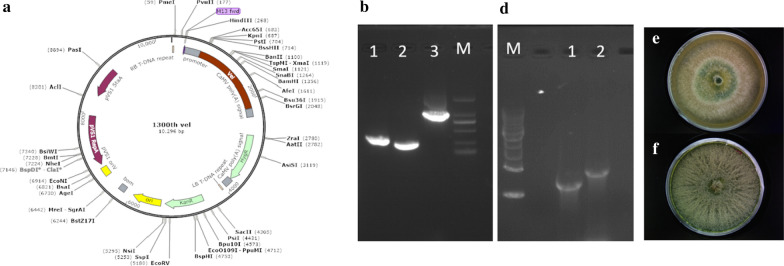
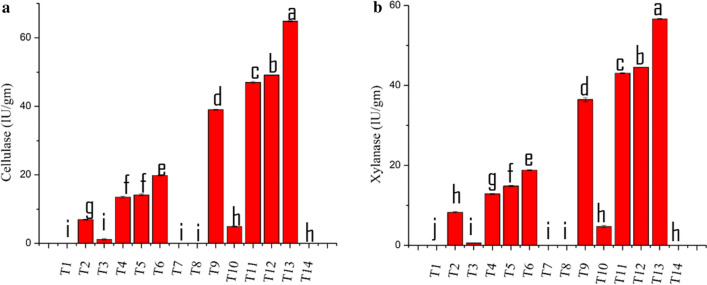
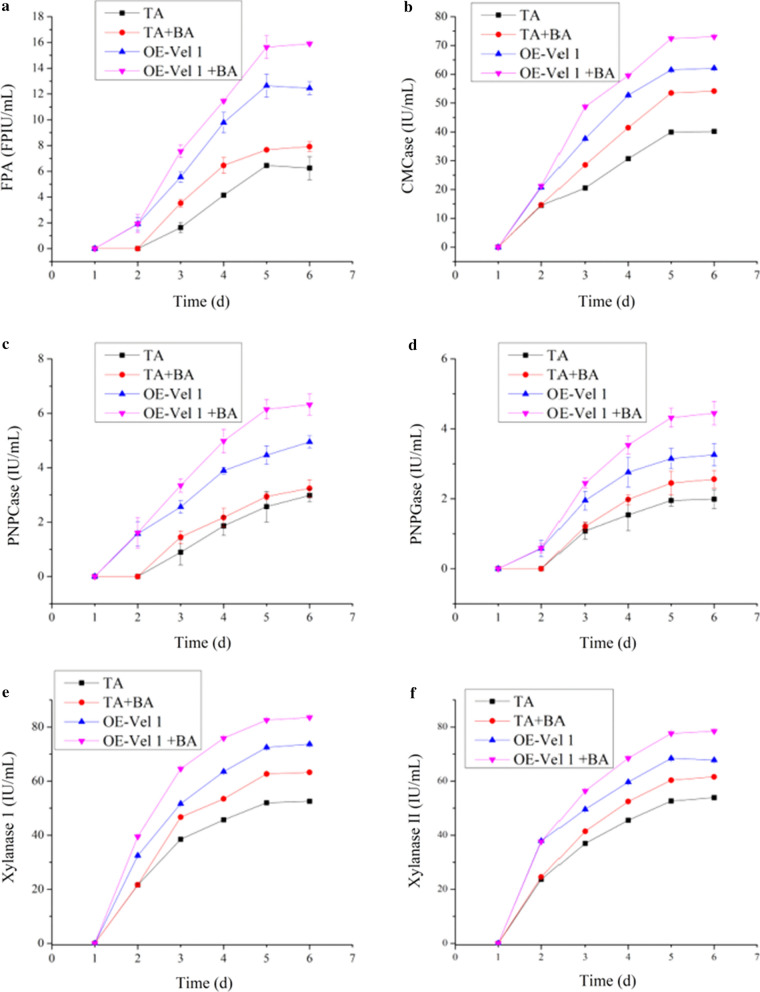
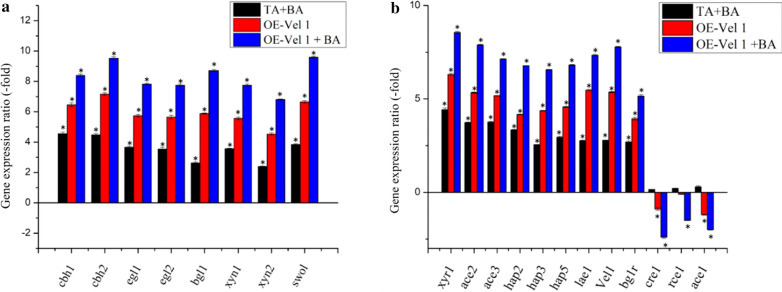
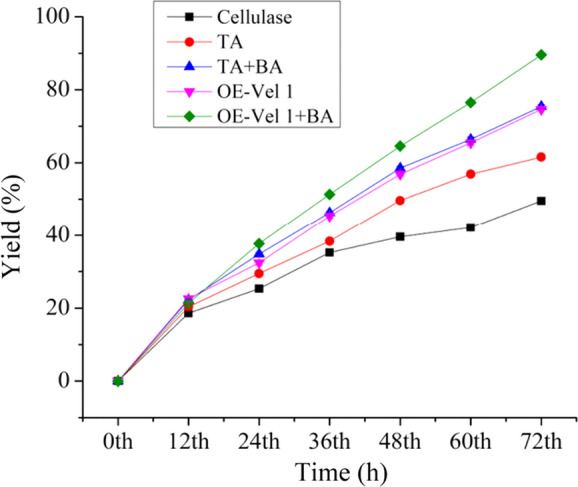
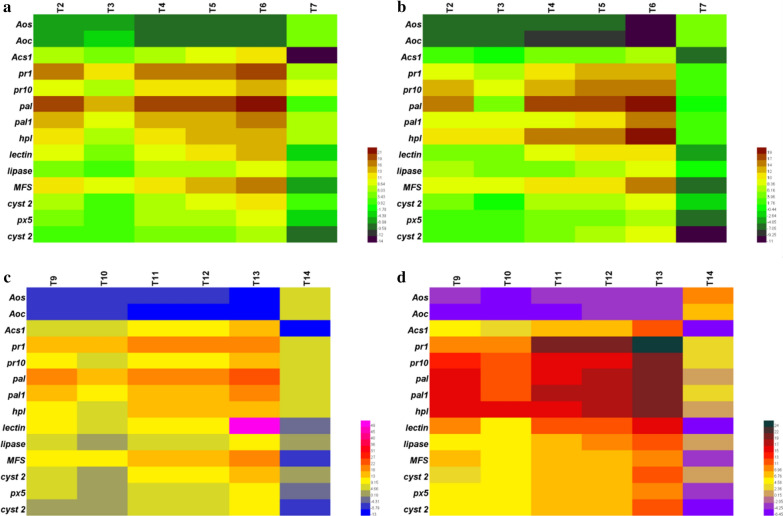
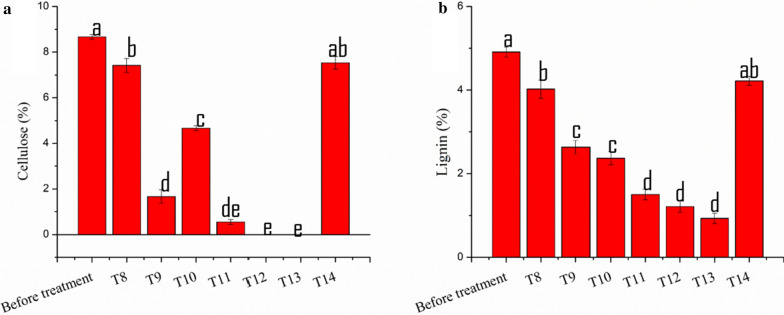
The Vel1 gene predominantly regulates the secondary metabolites, sexual and asexual development as well as cellulases and polysaccharide hydrolases productions. Overexpression mutant of the Trichoderma asperellum Vel1 locus (TA OE-Vel1) enhanced the activity of FPAase, CMCase, PNPCase, PNPGase, xylanase I, and xylanase II through the regulation of transcription regulating factors and the activation of cellulase and xylanase encoding genes. Further, these genes were induced upon co-cultivation with Bacillus amyloliquefaciens (BA). The co-culture of TA OE-Vel1 + BA produced the best composition of enzymes and the highest biomass hydrolysis yield of 89.56 ± 0.61%. The co-culture of TA OE-Vel1 + BA increased the corn stover degradation by the secretion of cellulolytic enzymes and maintained the C/N ratio of the corn stover amended soil. Moreover, the TA OE-Vel1 + BA increased the maize plant growth, expression of defense gene and disease resistance against Fusarium verticillioides and Cohilohorus herostrophus.
The co-cultivation of genetically engineered T. asperellum and B. amyloliquefaciens could be utilized as a profound and meaningful technique for the retention of agro residues and subsequent plant growth.
如果不对农业生物量残留物进行适当处理,可能会影响后续植物的生长。在本研究中,通过共培养基因工程里氏木霉和解淀粉芽孢杆菌,实现了多种益处,包括木质纤维素生物降解、植物生长、防御潜力和抗病性的提高。
Vel1 基因主要调控次生代谢物、有性和无性发育以及纤维素酶和多糖水解酶的产生。里氏木霉 Vel1 基因座的过表达突变体(TA OE-Vel1)通过转录调控因子的调节和纤维素酶和木聚糖酶编码基因的激活,提高了 FPAase、CMCase、PNPCase、PNPGase、木聚糖酶 I 和木聚糖酶 II 的活性。此外,这些基因在与解淀粉芽孢杆菌(BA)共培养时被诱导。TA OE-Vel1+BA 的共培养产生了最佳的酶组成和 89.56±0.61%的最高生物质水解产率。TA OE-Vel1+BA 的共培养通过分泌纤维素酶促进玉米秸秆的降解,并维持了添加玉米秸秆土壤的 C/N 比。此外,TA OE-Vel1+BA 增加了玉米植株的生长、防御基因的表达以及对黄萎病菌和禾谷镰孢菌的抗病性。
基因工程里氏木霉和解淀粉芽孢杆菌的共培养可以作为一种保留农业残留物和后续植物生长的深刻而有意义的技术。