Parra-González Ma Elena, López-Belmonte Jesús, Segura-Robles Adrián, Moreno-Guerrero Antonio-José
Department of Research Methods and Diagnosis in Education, University of Granada, Spain.
Department of Didactics and School Organization, University of Granada, Spain.
Heliyon. 2021 Feb 11;7(2):e06254. doi: 10.1016/j.heliyon.2021.e06254. eCollection 2021 Feb.
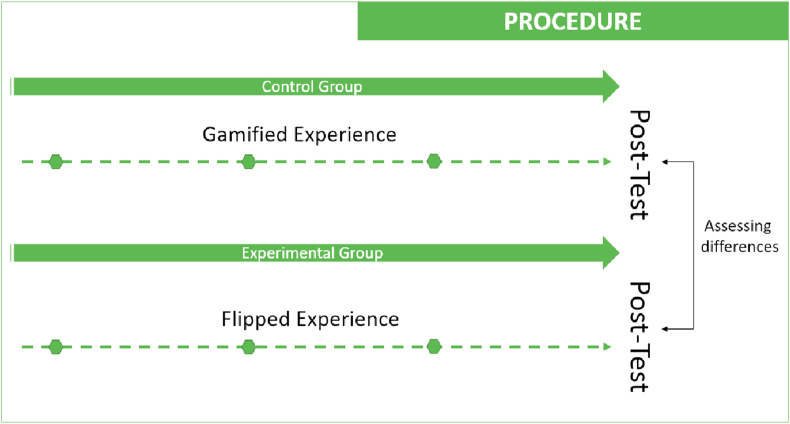
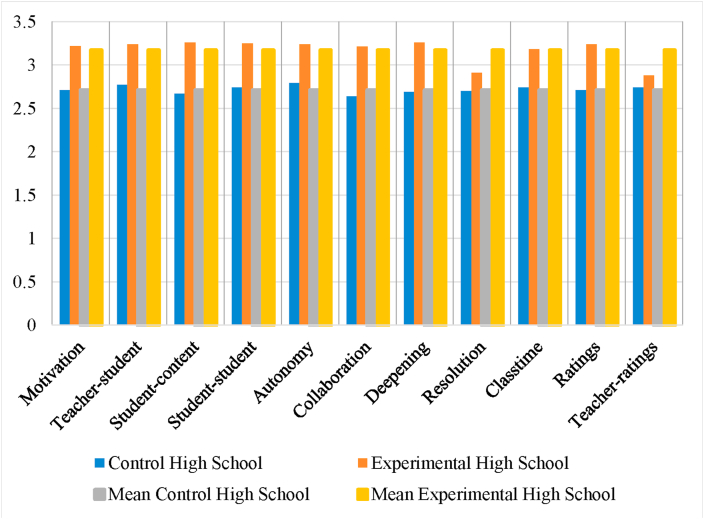
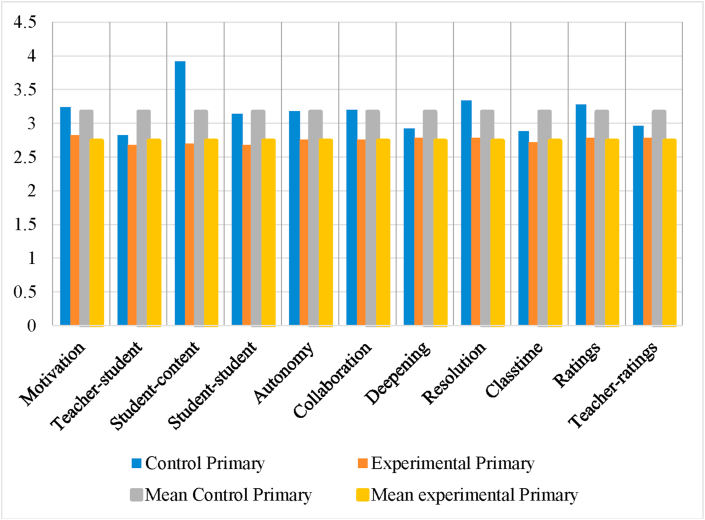
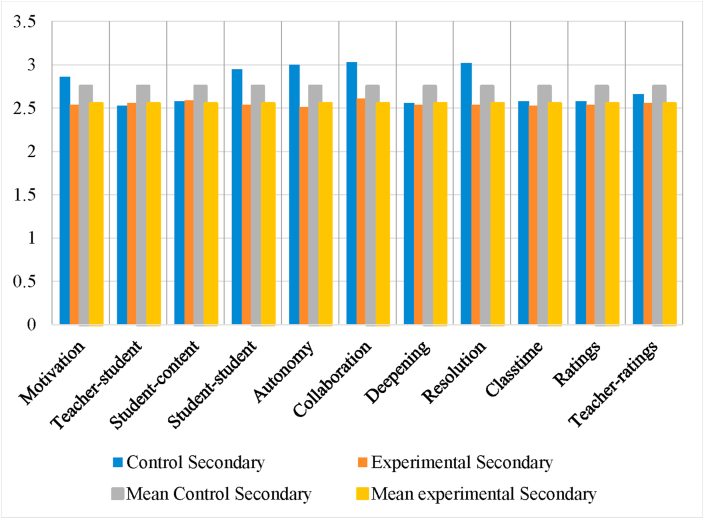
Nowadays, education is going through a moment of methodological transformation. Two of the active methodologies with excellent projection within the educational field are gamification and flipped learning. This study analyzed the methodological contrast between gamification and flipped learning in the subject of Physical Education in three different educational stages to determine the most influential methodology in the training process. Research design was a quasi-experimental research with a sample of 356 students in Spain. Data collection took place with a questionnaire. The results show that gamification as a teaching and learning methodology is better valued at an early stage, while the more aged participants better value the flipped learning methodology. Both methodologies have shown great potential in the development of educational processes in Physical Education. Gamification indeed seems to have positive effects on students from the lower stages. On the other hand, flipped learning produces positive effects on the group stages, pre-university students.
如今,教育正经历一场方法上的变革。在教育领域具有出色前景的两种活跃方法是游戏化和翻转课堂。本研究分析了游戏化和翻转课堂在三个不同教育阶段的体育学科中的方法对比,以确定在培训过程中最具影响力的方法。研究设计为准实验研究,样本来自西班牙的356名学生。通过问卷调查收集数据。结果表明,游戏化作为一种教学方法在早期阶段更受重视,而年龄较大的参与者更看重翻转课堂方法。两种方法在体育教育教学过程的发展中都显示出巨大潜力。游戏化确实似乎对低年级学生有积极影响。另一方面,翻转课堂对高年级学生,即大学预科学生产生积极影响。