Bonilla Diego A, Moreno Yurany, Gho Camila, Petro Jorge L, Odriozola-Martínez Adrián, Kreider Richard B
Research Division, Dynamical Business & Science Society-DBSS International SAS, Bogotá 110861, Colombia.
Research Group in Biochemistry and Molecular Biology, Universidad Distrital Francisco José de Caldas, Bogotá 110311, Colombia.
J Funct Morphol Kinesiol. 2021 Feb 11;6(1):20. doi: 10.3390/jfmk6010020.
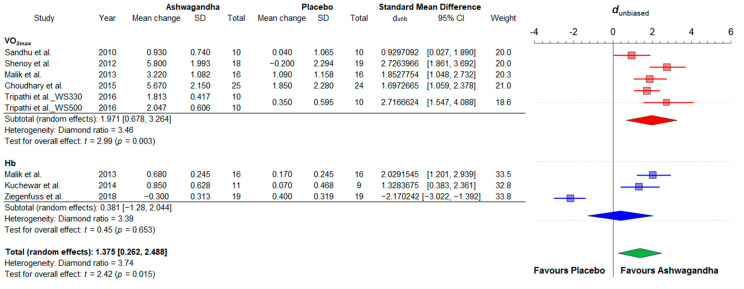
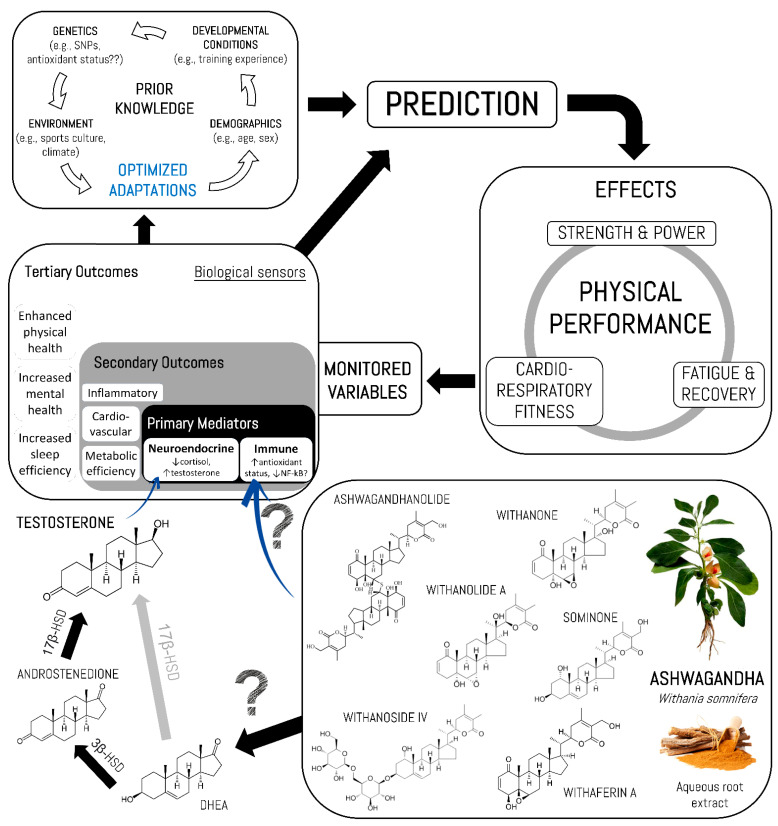
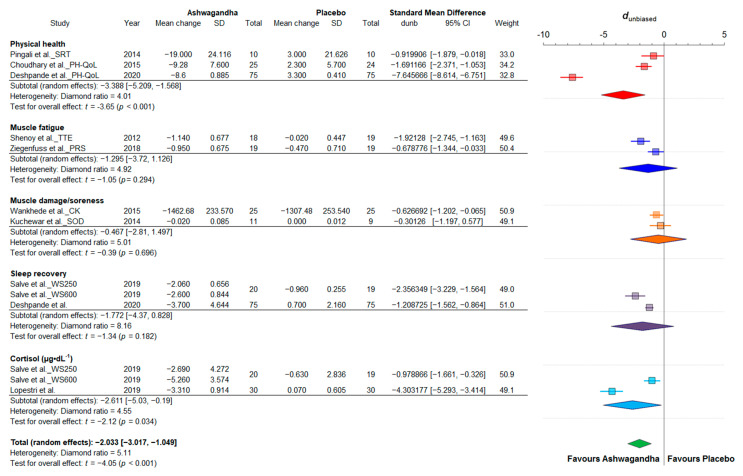
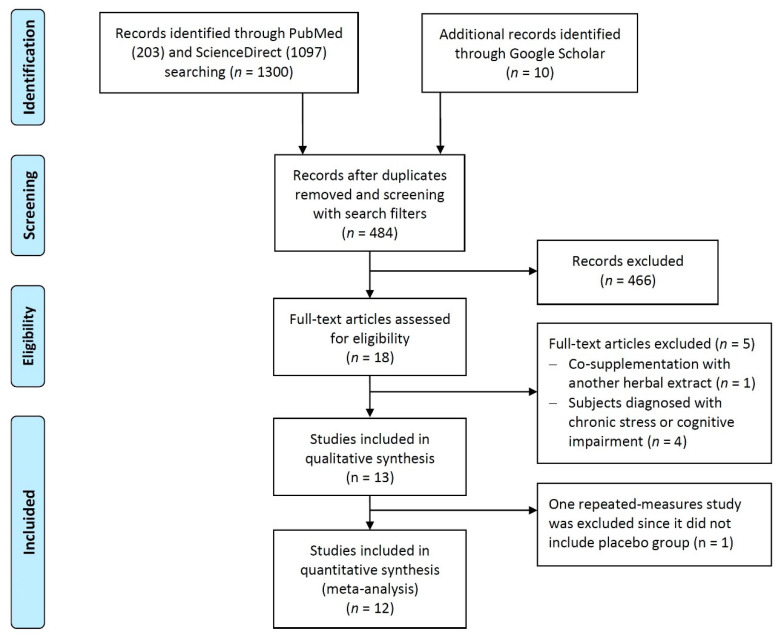
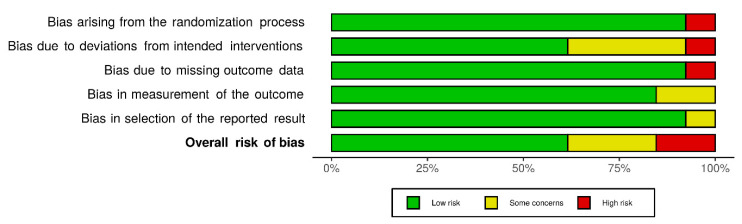
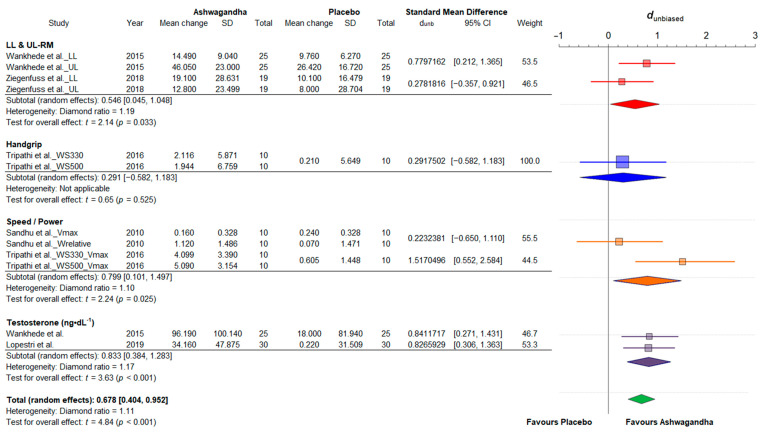
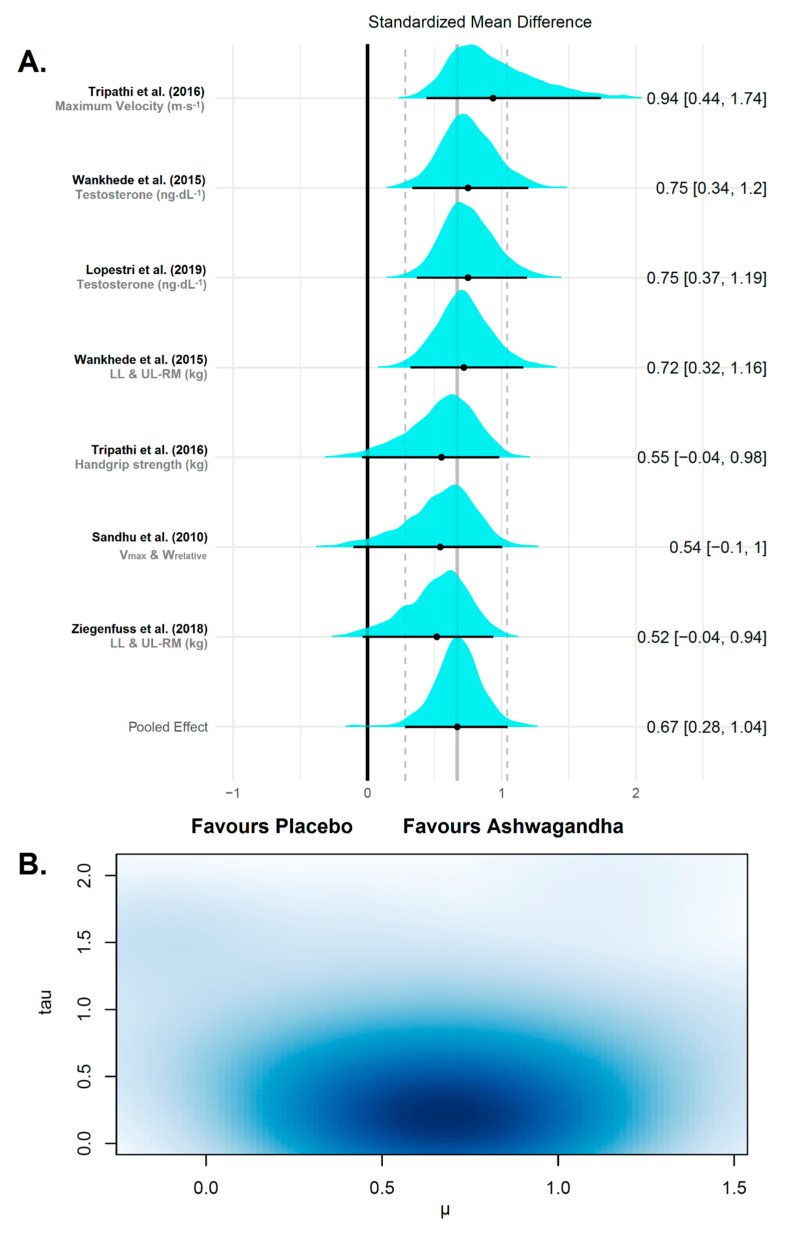
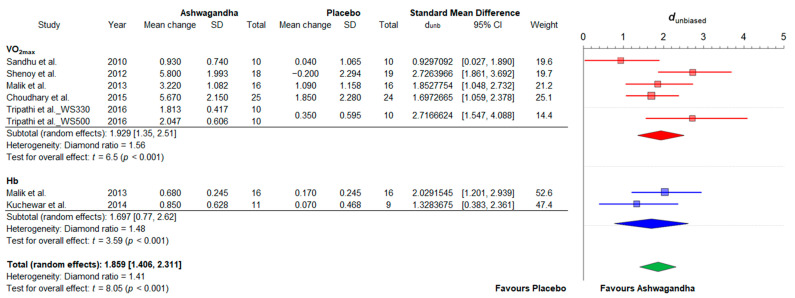
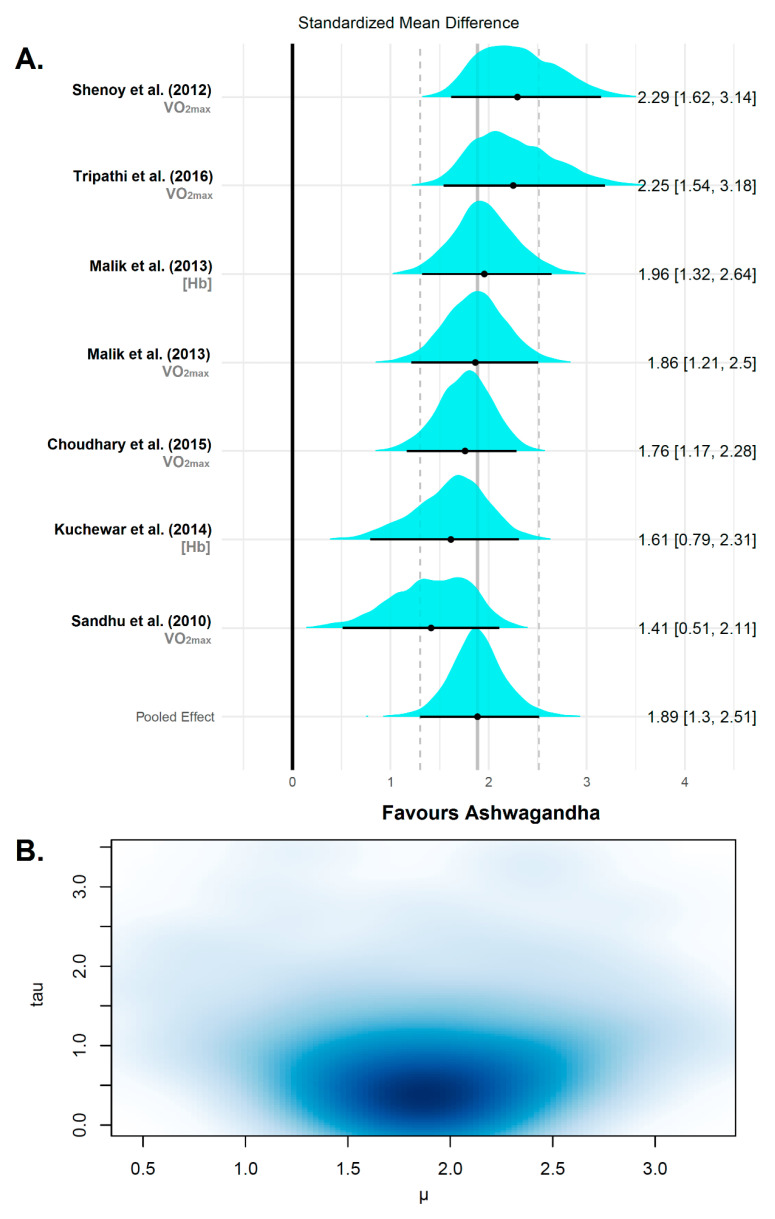
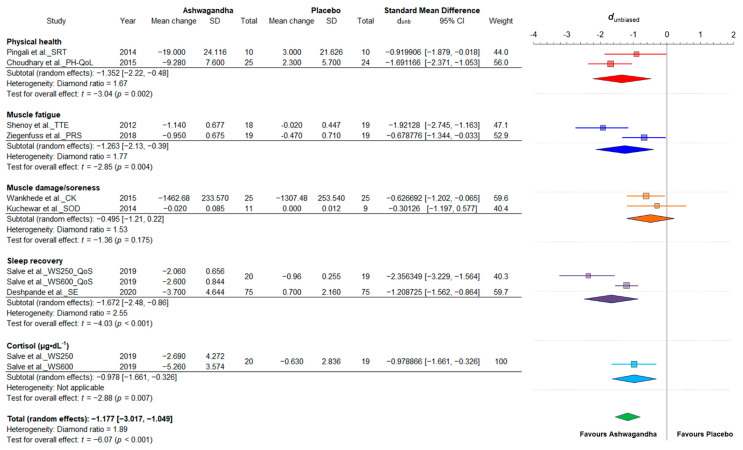
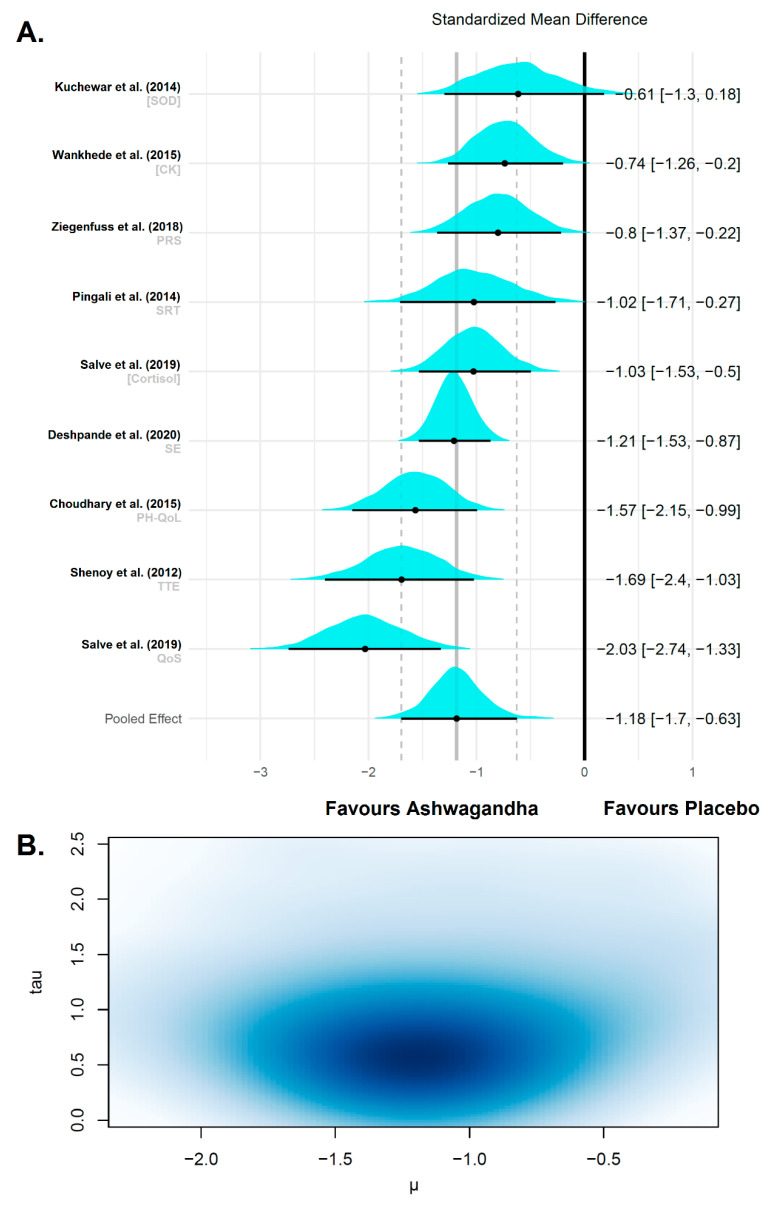
Ashwagandha () is considered a potent adaptogen and anti-stress agent that could have some potential to improve physical performance. This preferred reporting items for systematic reviews and meta-analyses (PRISMA)-based comprehensive systematic review and Bayesian meta-analysis aimed to evaluate clinical trials up to 2020 from PubMed, ScienceDirect, and Google Scholar databases regarding the effect of Ashwagandha supplementation on physical performance in healthy individuals. Besides implementing estimation statistics analysis, we developed Bayesian hierarchical models for a pre-specified subgroup meta-analysis on strength/power, cardiorespiratory fitness and fatigue/recovery variables. A total of 13 studies met the requirements of this systematic review, although only 12 were included in the quantitative analysis. A low-to-moderate overall risk of bias of the trials included in this study was detected. All Bayesian hierarchical models converged to a target distribution (Ȓ = 1) for both meta-analytic effect size (μ) and between-study standard deviation (τ). The meta-analytic approaches of the included studies revealed that Ashwagandha supplementation was more efficacious than placebo for improving variables related to physical performance in healthy men and female. In fact, the Bayesian models showed that future interventions might be at least in some way beneficial on the analyzed outcomes considering the 95% credible intervals for the meta-analytic effect size. Several practical applications and future directions are discussed, although more comparable studies are needed in exercise training, and athletic populations are needed to derive a more stable estimate of the true underlying effect.
南非醉茄()被认为是一种有效的适应原和抗应激剂,可能具有提高身体机能的潜力。这项基于系统评价与Meta分析的首选报告项目(PRISMA)的全面系统评价和贝叶斯Meta分析旨在评估截至2020年来自PubMed、ScienceDirect和谷歌学术数据库的关于补充南非醉茄对健康个体身体机能影响的临床试验。除了进行估计统计分析外,我们还开发了贝叶斯分层模型,用于对力量/功率、心肺适能和疲劳/恢复变量进行预先指定的亚组Meta分析。共有13项研究符合本系统评价的要求,不过只有12项纳入了定量分析。本研究纳入的试验总体偏倚风险较低至中等。所有贝叶斯分层模型对于Meta分析效应量(μ)和研究间标准差(τ)均收敛于目标分布(Ȓ = 1)。纳入研究的Meta分析方法表明,补充南非醉茄在改善健康男性和女性与身体机能相关的变量方面比安慰剂更有效。事实上,贝叶斯模型显示,考虑到Meta分析效应量的95%可信区间,未来的干预措施可能至少在某些方面对分析结果有益。文中讨论了一些实际应用和未来方向,不过在运动训练方面还需要更多可比研究,并且需要运动员群体来得出对真实潜在效应更稳定的估计。