Department of Botany, School of Basic and Applied Sciences, Central University of Punjab, Bathinda, Punjab 151401, India.
Department of Chemical Engineering, Materials and Environment, Sapienza University of Rome, 00184 Rome, Italy.
Molecules. 2021 Feb 20;26(4):1142. doi: 10.3390/molecules26041142.
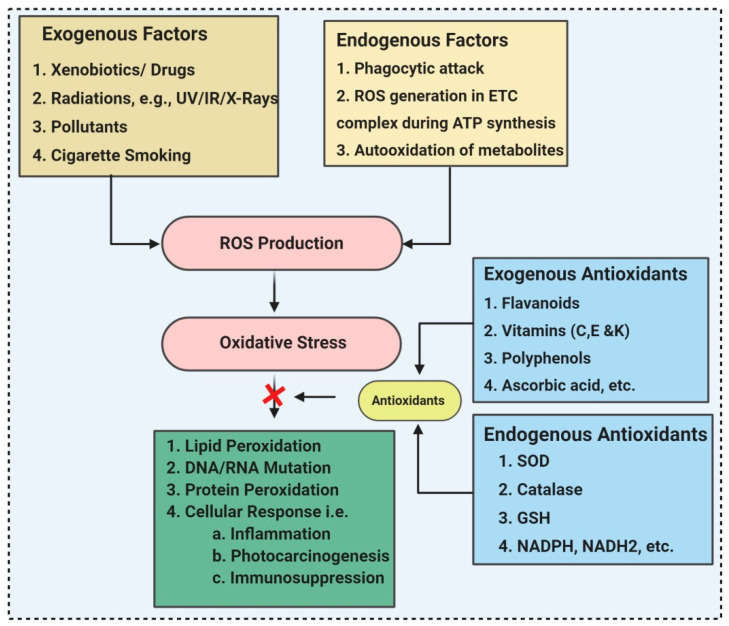
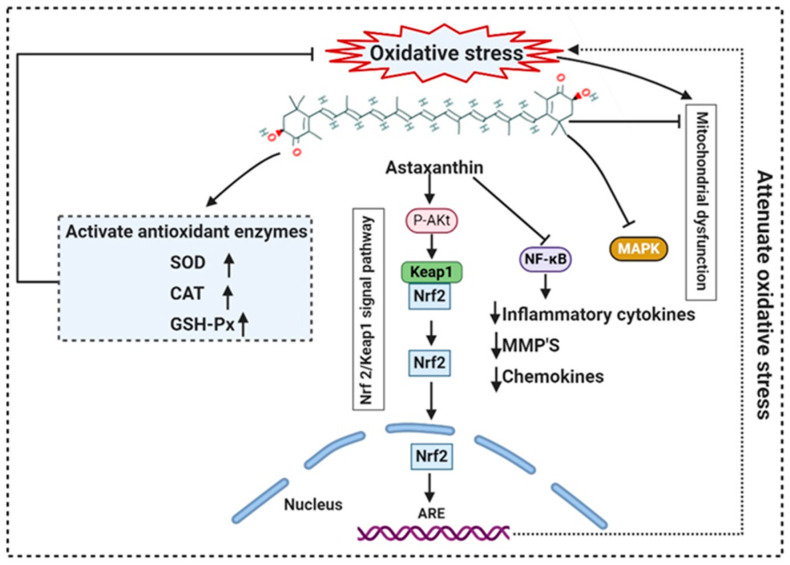
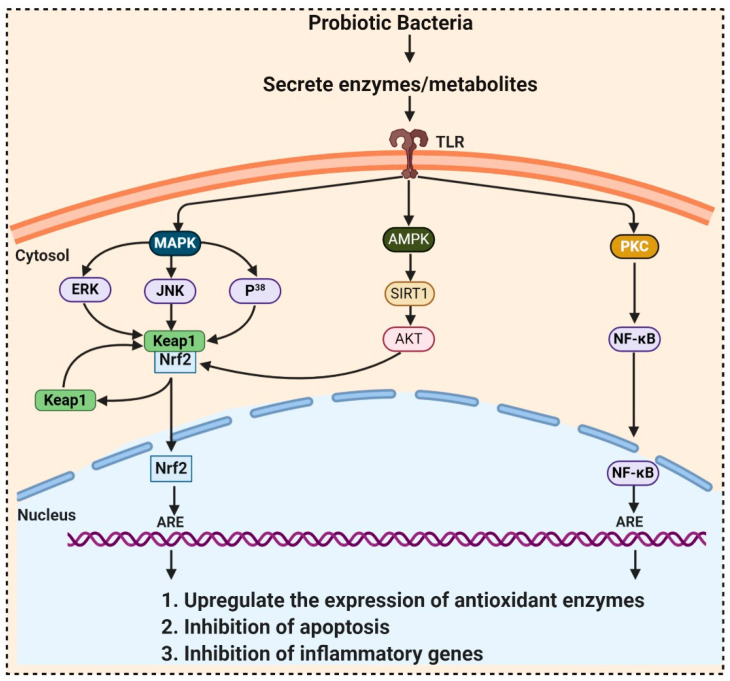
Oxidative stress originates from an elevated intracellular level of free oxygen radicals that cause lipid peroxidation, protein denaturation, DNA hydroxylation, and apoptosis, ultimately impairing cell viability. Antioxidants scavenge free radicals and reduce oxidative stress, which further helps to prevent cellular damage. Medicinal plants, fruits, and spices are the primary sources of antioxidants from time immemorial. In contrast to plants, microorganisms can be used as a source of antioxidants with the advantage of fast growth under controlled conditions. Further, microbe-based antioxidants are nontoxic, noncarcinogenic, and biodegradable as compared to synthetic antioxidants. The present review aims to summarize the current state of the research on the antioxidant activity of microorganisms including actinomycetes, bacteria, fungi, protozoa, microalgae, and yeast, which produce a variety of antioxidant compounds, i.e., carotenoids, polyphenols, vitamins, and sterol, etc. Special emphasis is given to the mechanisms and signaling pathways followed by antioxidants to scavenge Reactive Oxygen Species (ROS), especially for those antioxidant compounds that have been scarcely investigated so far.
氧化应激源于细胞内自由基水平升高,导致脂质过氧化、蛋白质变性、DNA 羟化和细胞凋亡,最终损害细胞活力。抗氧化剂可以清除自由基并减轻氧化应激,从而进一步帮助预防细胞损伤。自古以来,药用植物、水果和香料一直是抗氧化剂的主要来源。与植物不同,微生物可以作为抗氧化剂的来源,其优点是在控制条件下生长迅速。此外,与合成抗氧化剂相比,微生物来源的抗氧化剂是非毒性、非致癌性和可生物降解的。本综述旨在总结目前关于微生物(包括放线菌、细菌、真菌、原生动物、微藻和酵母)抗氧化活性的研究现状,这些微生物产生各种抗氧化化合物,如类胡萝卜素、多酚、维生素和固醇等。特别强调了抗氧化剂清除活性氧(ROS)的机制和信号通路,特别是对于那些迄今为止研究甚少的抗氧化化合物。