University of Copenhagen, BRIC Biotech Research & Innovation Centre, Anders Lund Group, Copenhagen, Denmark.
Biomed J. 2021 Mar;44(1):1-6. doi: 10.1016/j.bj.2021.02.001. Epub 2021 Feb 9.
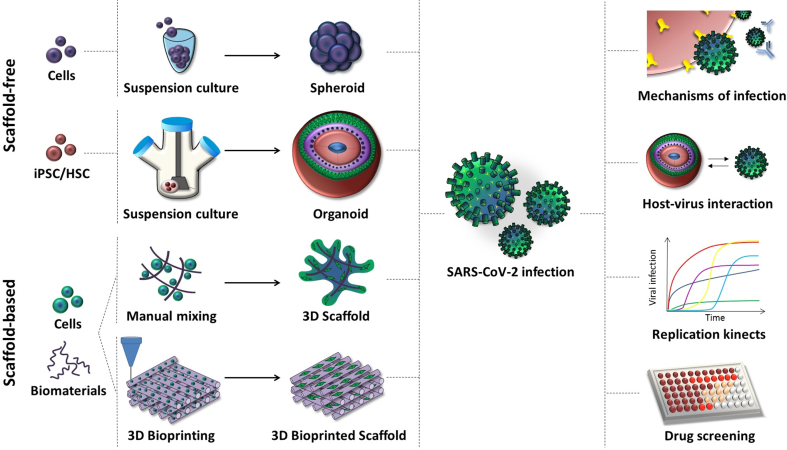
Welcome to a new decade and a new issue of the Biomedical Journal - casting a sorrowful look onto a year that will go down in history as a tombstone etched by the COVID-19 pandemic, but also a hopeful glance into the future, now that multiple vaccination programs against the SARS-CoV-2 virus have started. This issue is dedicated to the continuous effort by researchers all around the globe to understand and counter the pathogen, as well as to be better prepared for future threats. Therefore, we learn about the advantages of complex 3D cell culture models for studying host-virus interactions, and the disease course of COVID-19 in children. Moreover, we discover how neutralising monoclonal antibodies and peptide-based vaccines against SARS-CoV-2 are developed, and the therapeutic potentials of lopinavir/ritonavir, mesenchymal stem cells, as well as plant and algae extracts. Finally, we ponder over the lessons to be learnt from SARS-CoV and MERS, and hear about differences between nucleotide-based SARS-CoV-2 detection methods.
欢迎来到新的十年和新一期的《生物医学期刊》——回顾这一年,它将作为 COVID-19 大流行的墓碑被载入史册,但也充满了对未来的希望,因为针对 SARS-CoV-2 病毒的多种疫苗接种计划已经开始。本期特别关注全球研究人员为了解和对抗病原体所做的持续努力,以及为未来的威胁做好更好的准备。因此,我们了解了复杂的 3D 细胞培养模型在研究宿主-病毒相互作用以及儿童 COVID-19 疾病过程中的优势。此外,我们还发现了如何开发针对 SARS-CoV-2 的中和单克隆抗体和基于肽的疫苗,以及洛匹那韦/利托那韦、间充质干细胞以及植物和藻类提取物的治疗潜力。最后,我们思考了从 SARS-CoV 和 MERS 中吸取的教训,并探讨了基于核苷酸的 SARS-CoV-2 检测方法之间的差异。