Zhou Pingping, Hao Xinyu, Liu Yu, Yang Zeqi, Xu Miaochan, Liu Shaowei, Zhang Shixiong, Yang Tianxiao, Wang Xiaomei, Wang Yangang
Hebei University of Chinese Medicine, Xinshi South Road No 326, Qiaoxi District, Hebei, 050091, Shijiazhuang, China.
Beijing University of Chinese Medicine Third Affiliated Hospital, Anwai Xiaoguan Street No. 51, Chaoyang District, 100029, Beijing, China.
Chin Med. 2021 May 1;16(1):37. doi: 10.1186/s13020-021-00445-y.
Hua-Zhuo-Jie-Du (HZJD), a Chinese herbal prescription consisting of 11 herbs, is commonly used in China to treat chronic atrophic gastritis (CAG). We aimed to determine the effect of HZJD on the microbiome-associated metabolic changes in CAG rats.
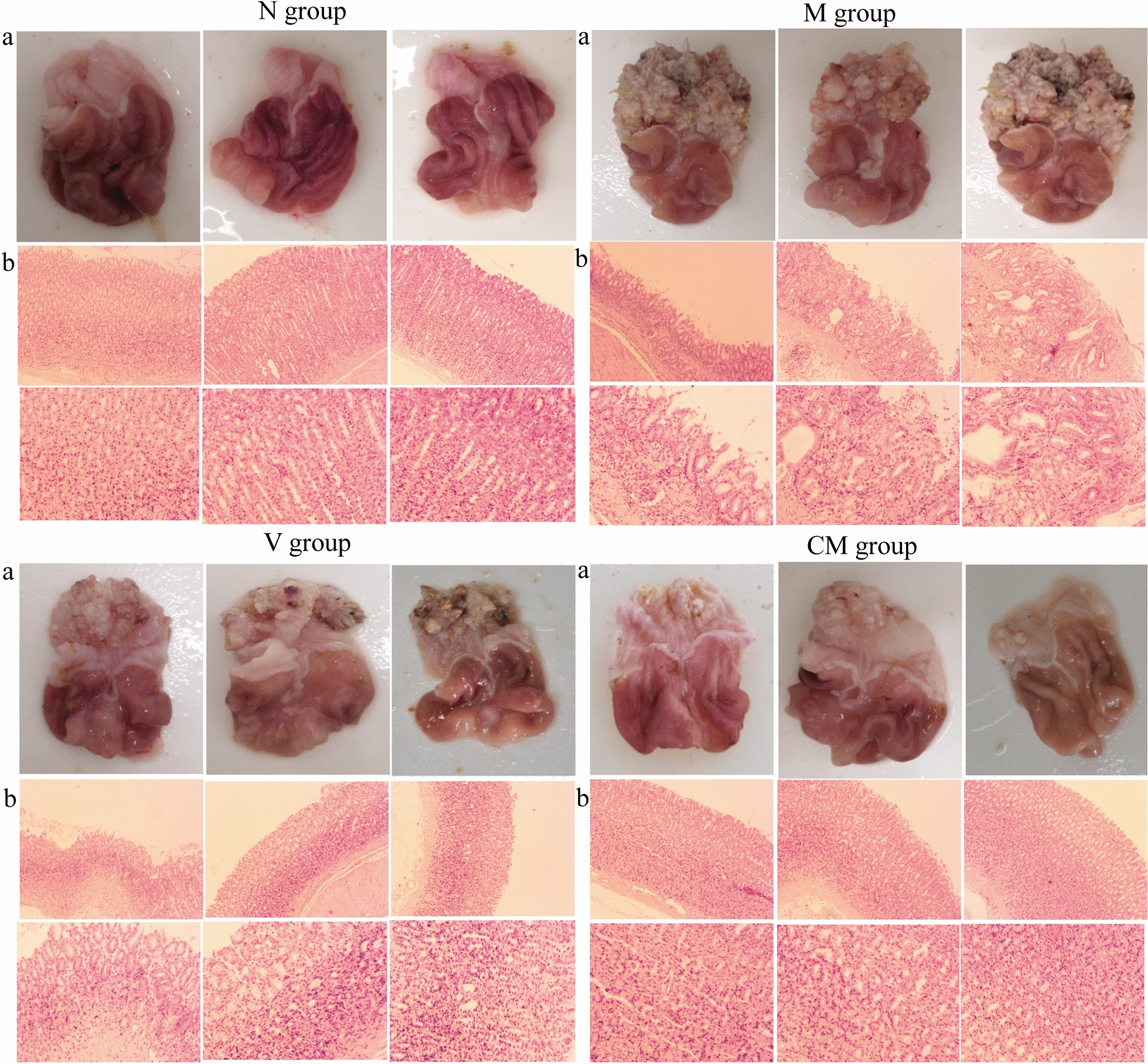
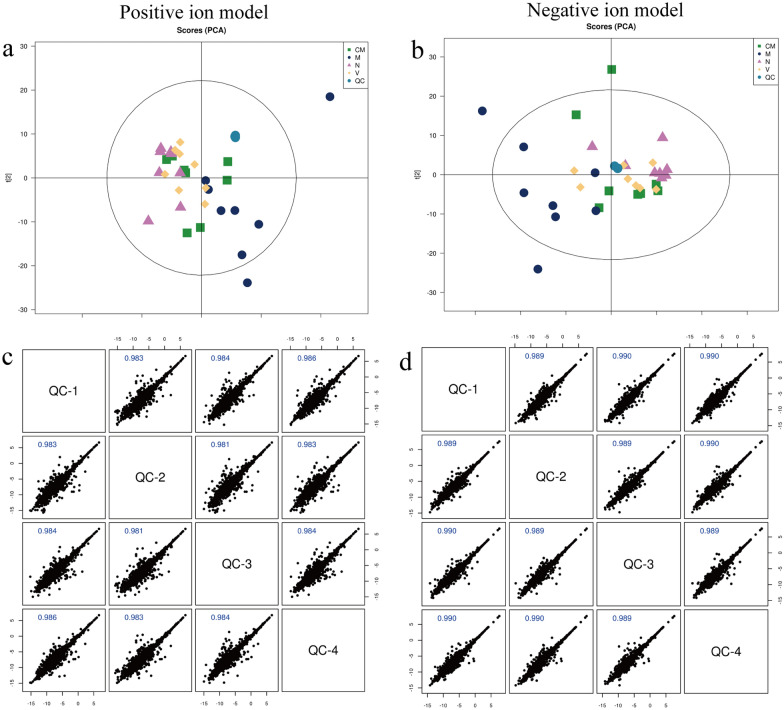
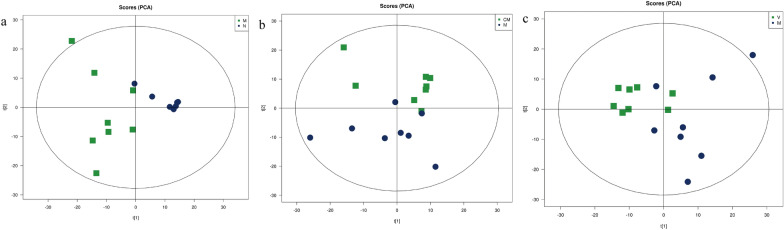
The CAG rat models were induced by 1-methyl-3-nitro-1-nitrosoguanidine (MNNG) combined with irregular fasting and 2% sodium salicylate, which was intragastrically administrated in fasted animals for 24 weeks. The CAG rats in the Chinese medicine (CM) group were administered a daily dose of 14.81 g/kg/day HZJD, and the vitacoenzyme (V) group were administered a daily dose of 0.08 g/kg/day vitacoenzyme. All animals were treated for 10 consecutive weeks, consecutively. Hematoxylin and eosin (H&E) staining was used to assess the histopathological changes in the gastric tissues. An integrated approach based on liquid chromatograph mass spectrometer (LC-MS) metabolic profiling combined with 16S rRNA gene sequencing was carried out to assess the effects of HZJD on CAG rats. Spearman analysis was used to calculate the correlation coefficient between the different intestinal microbiota and the metabolites.
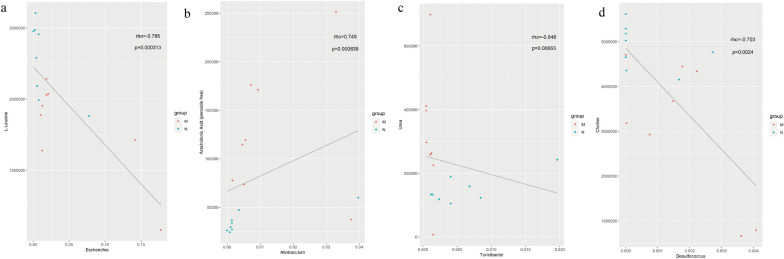
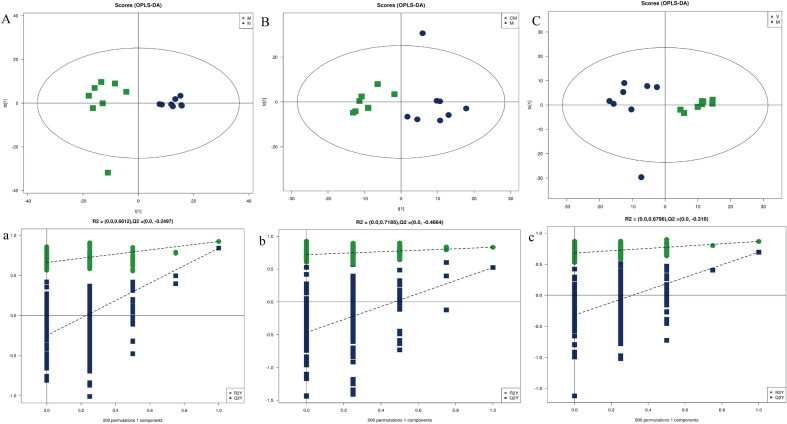
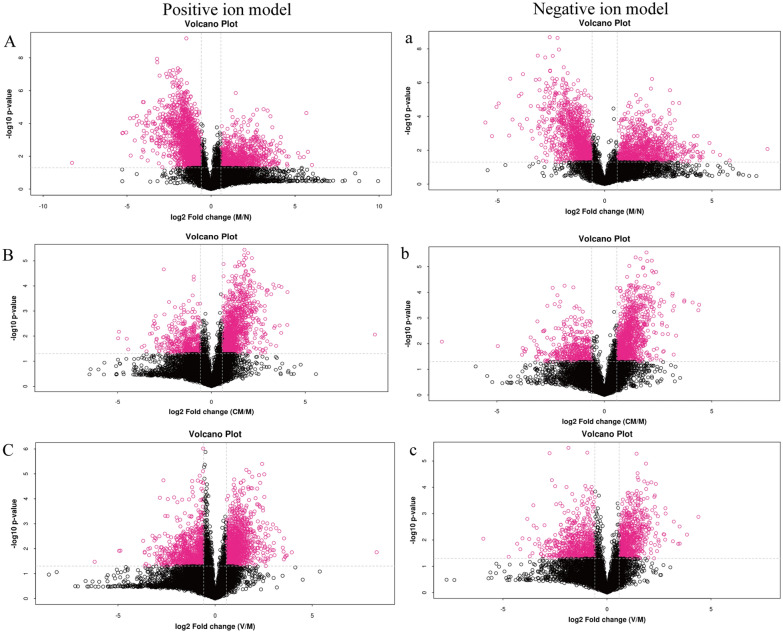
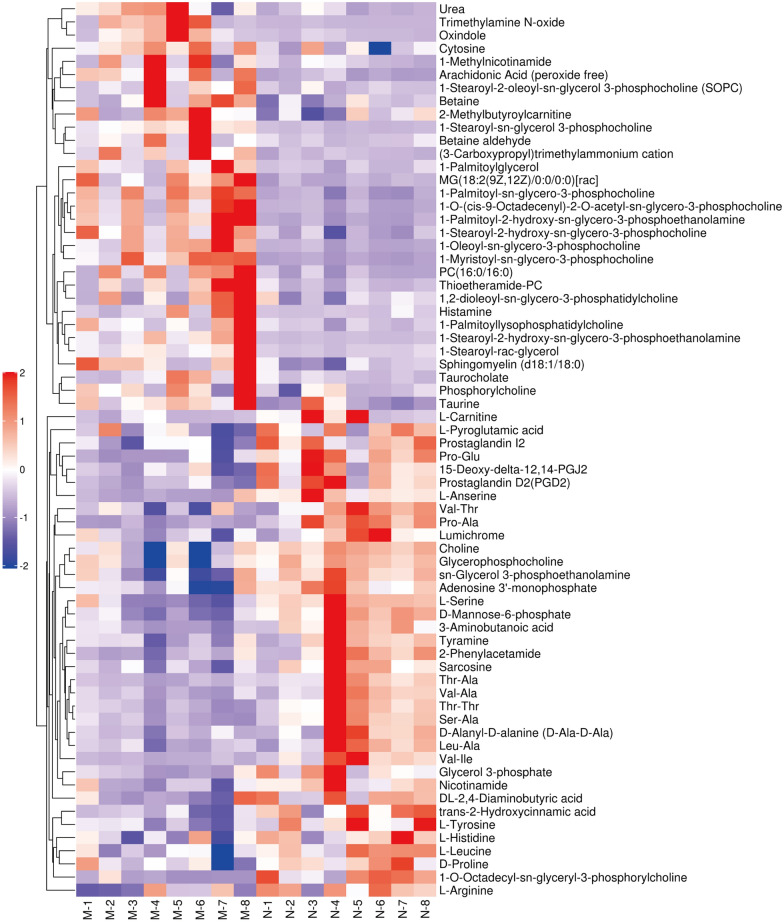
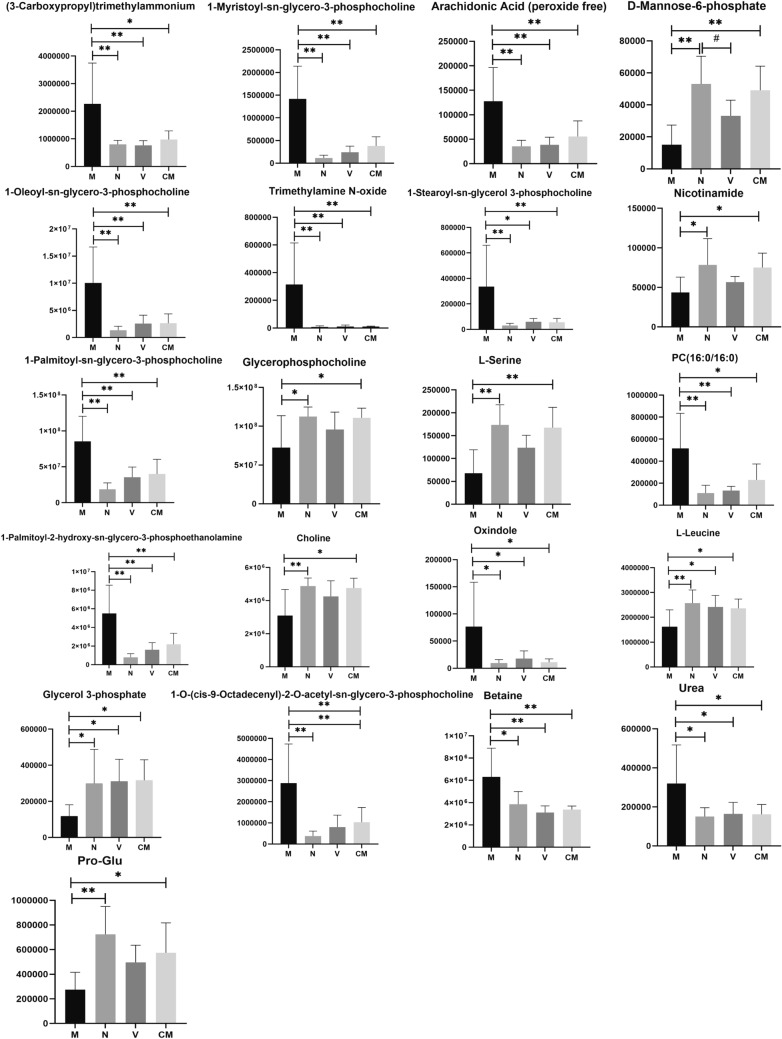
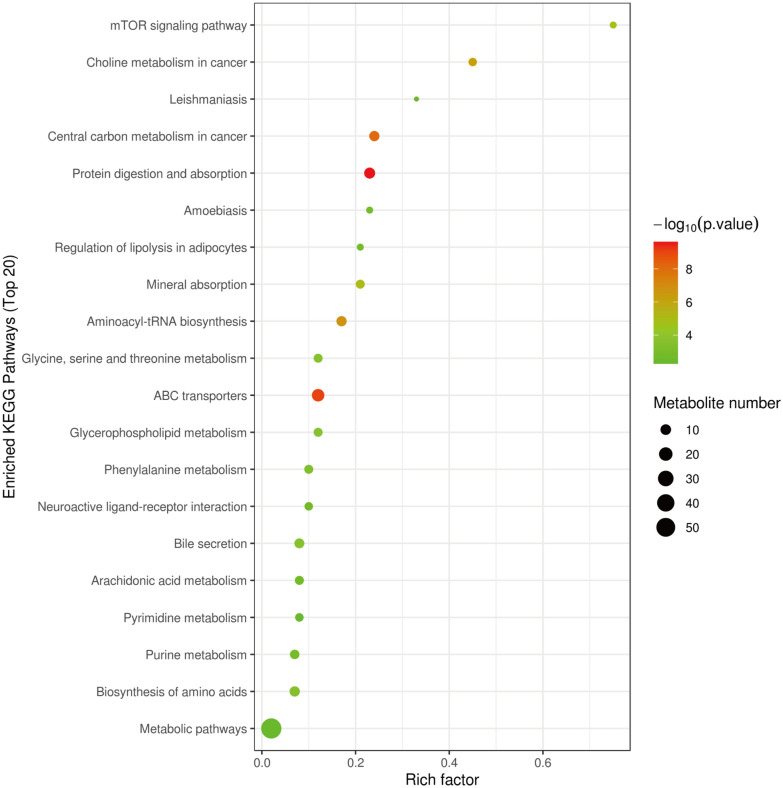
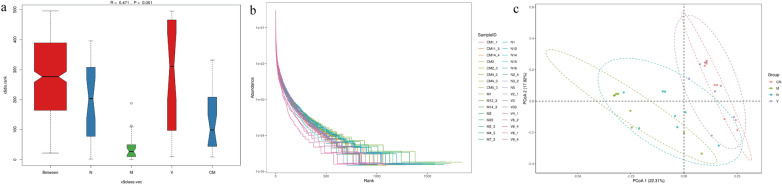
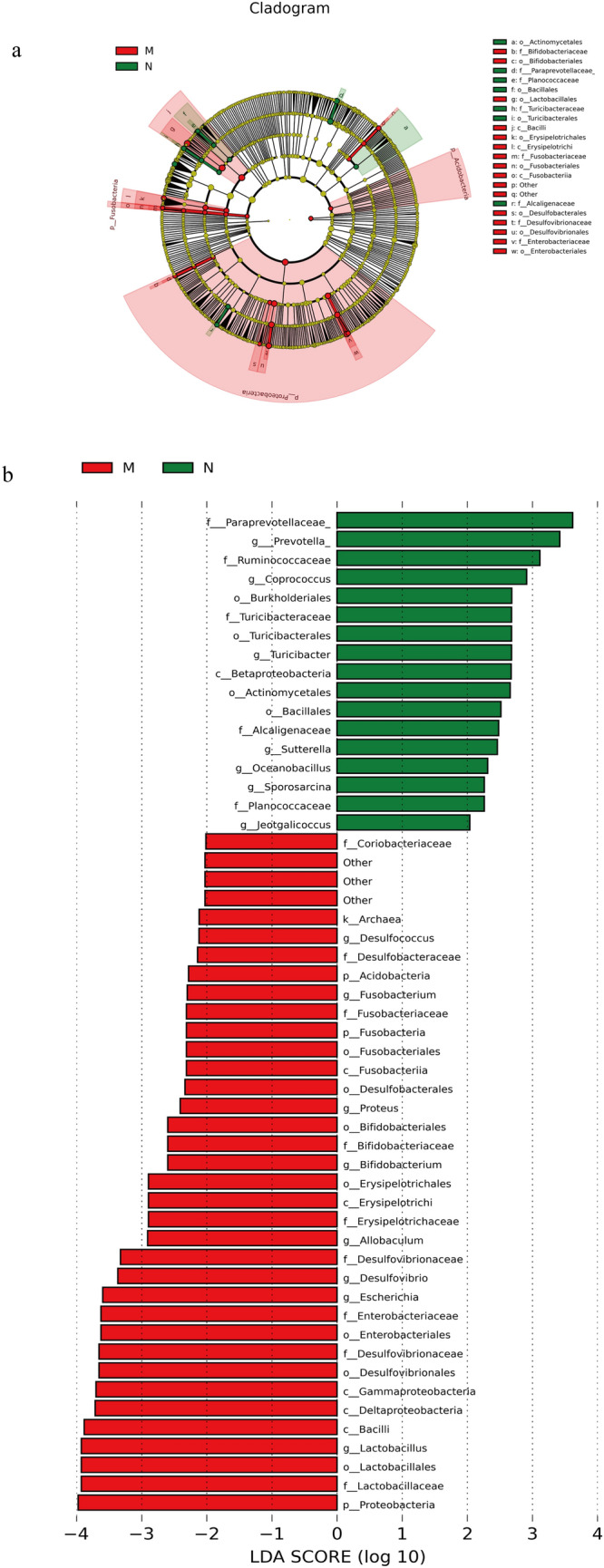
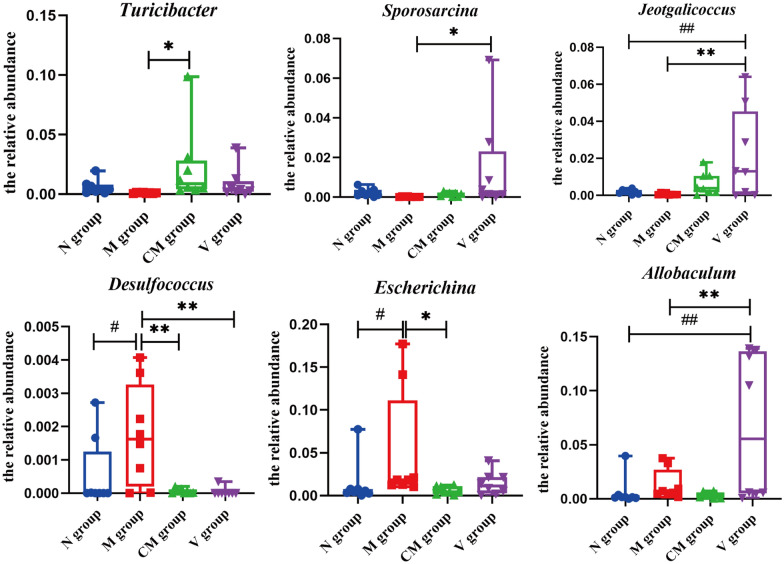
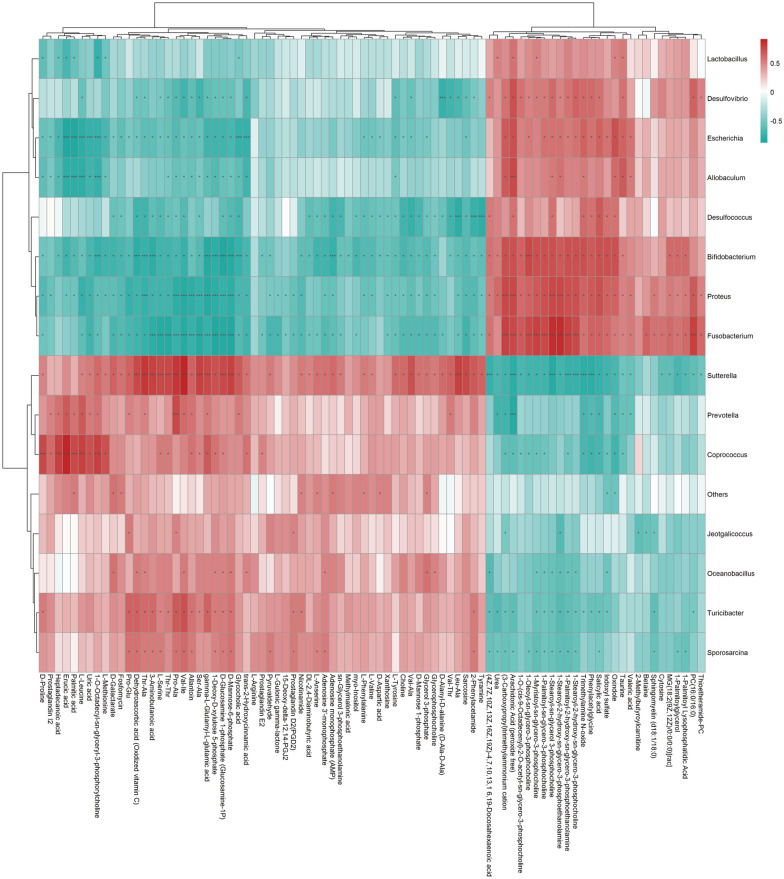
The H&E results indicated that HZJD could improve the pathological condition of CAG rats. The LC-MS results indicated that HZJD could significantly improve 21 gastric mucosal tissue perturbed metabolites in CAG rats; the affected metabolites were found to be involved in multiple metabolic pathways, such as the central carbon metabolism in cancer. The results of 16S rRNA gene sequencing indicated that HZJD could regulate the diversity, microbial composition, and abundance of the intestinal microbiota of CAG rats. Following HZJD treatment, the relative abundance of Turicibacter was increased, and the relative abundance of Desulfococcus and Escherichia were decreased in the CM group when compared with the M group. Spearman analysis revealed that perturbed intestinal microbes had a strong correlation with differential metabolites, Escherichia exhibited a negative correlation with l-Leucine, Turicibacter was negatively correlated with urea, and Desulfococcus exhibited a positive correlation with trimethylamine, and a negative correlation with choline.
HZJD could protect CAG by regulating intestinal microbiota and its metabolites.
化浊解毒方(HZJD)是一种由11味草药组成的中药方剂,在中国常用于治疗慢性萎缩性胃炎(CAG)。我们旨在确定HZJD对CAG大鼠微生物群相关代谢变化的影响。
采用1-甲基-3-硝基-1-亚硝基胍(MNNG)联合不规则禁食和2%水杨酸钠诱导CAG大鼠模型,在禁食动物中胃内给予24周。中药(CM)组的CAG大鼠每日给予14.81 g/kg/天的HZJD,维它命辅酶(V)组每日给予0.08 g/kg/天的维它命辅酶。所有动物连续治疗10周。苏木精-伊红(H&E)染色用于评估胃组织的组织病理学变化。采用基于液相色谱-质谱联用(LC-MS)代谢谱分析结合16S rRNA基因测序的综合方法,评估HZJD对CAG大鼠的影响。采用Spearman分析计算不同肠道微生物群与代谢物之间的相关系数。
H&E结果表明,HZJD可改善CAG大鼠的病理状况。LC-MS结果表明,HZJD可显著改善CAG大鼠21种胃黏膜组织扰动代谢物;发现受影响的代谢物参与多种代谢途径,如癌症中的中心碳代谢。16S rRNA基因测序结果表明,HZJD可调节CAG大鼠肠道微生物群的多样性、微生物组成和丰度。与M组相比,CM组经HZJD治疗后,Turicibacter的相对丰度增加,Desulfococcus和Escherichia的相对丰度降低。Spearman分析显示,肠道微生物群扰动与差异代谢物有很强的相关性,Escherichia与L-亮氨酸呈负相关,Turicibacter与尿素呈负相关,Desulfococcus与三甲胺呈正相关,与胆碱呈负相关。
HZJD可通过调节肠道微生物群及其代谢物来保护CAG。