Zhu Guangsu, Zhao Jianxin, Zhang Hao, Chen Wei, Wang Gang
State Key Laboratory of Food Science and Technology, Jiangnan University, Wuxi 214122, China.
School of Food Science and Technology, Jiangnan University, Wuxi 214122, China.
Nutrients. 2021 May 11;13(5):1602. doi: 10.3390/nu13051602.
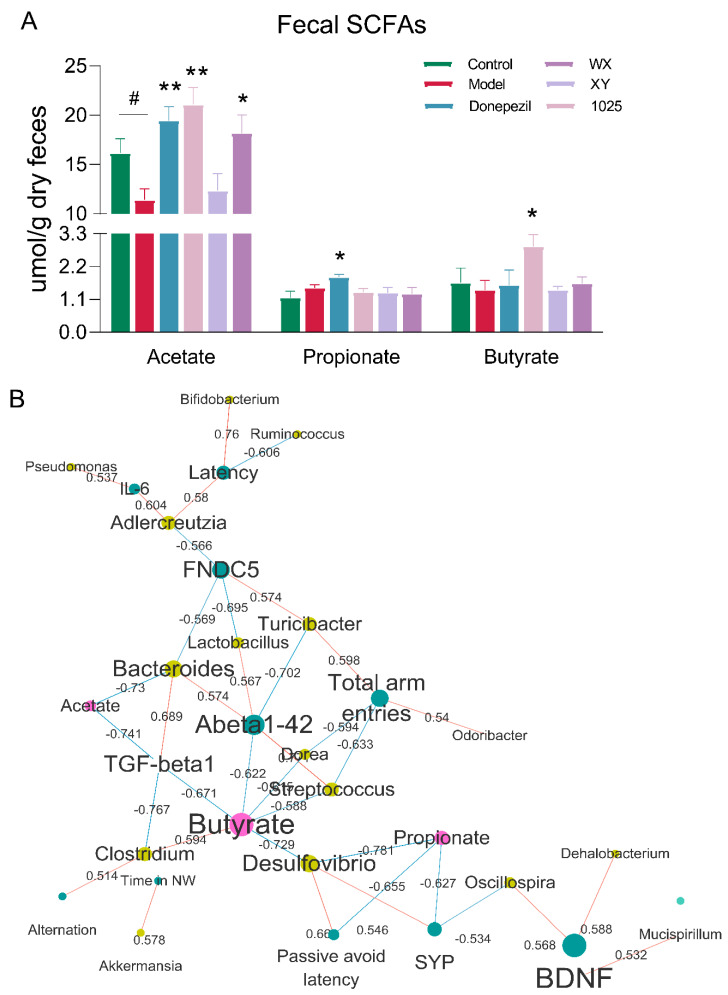
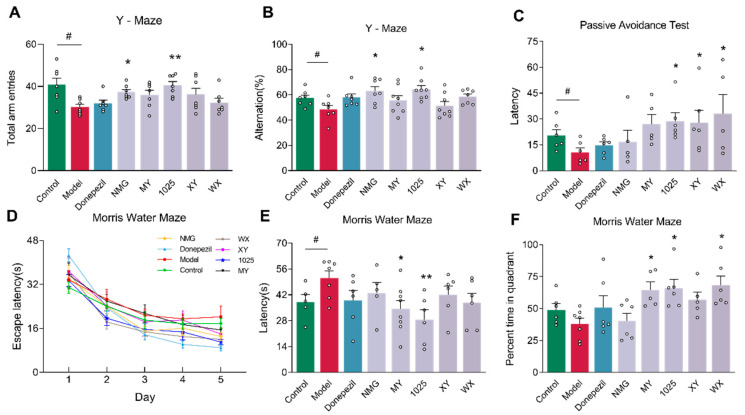
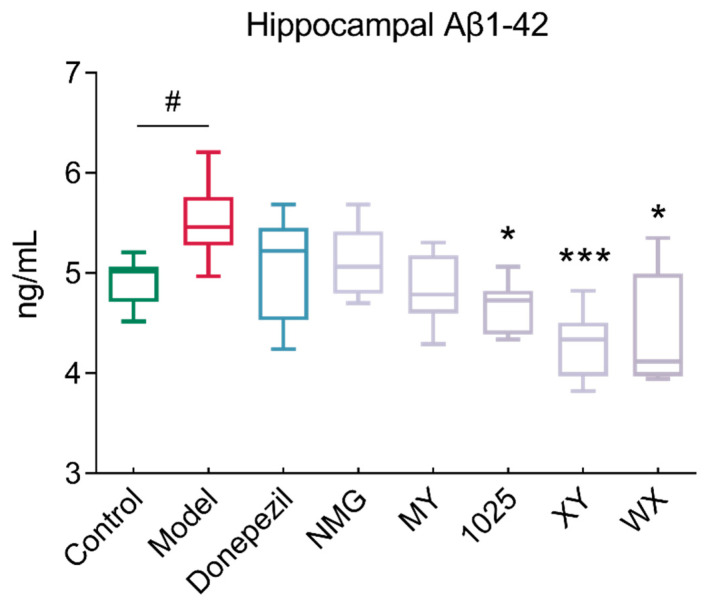
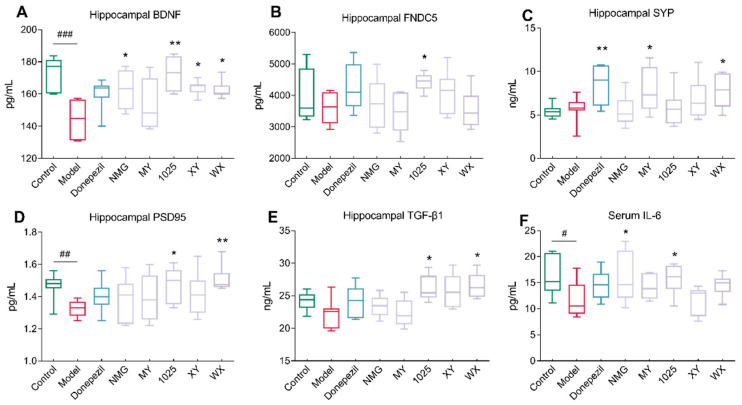
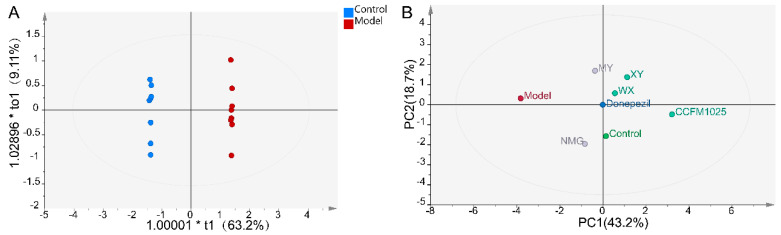
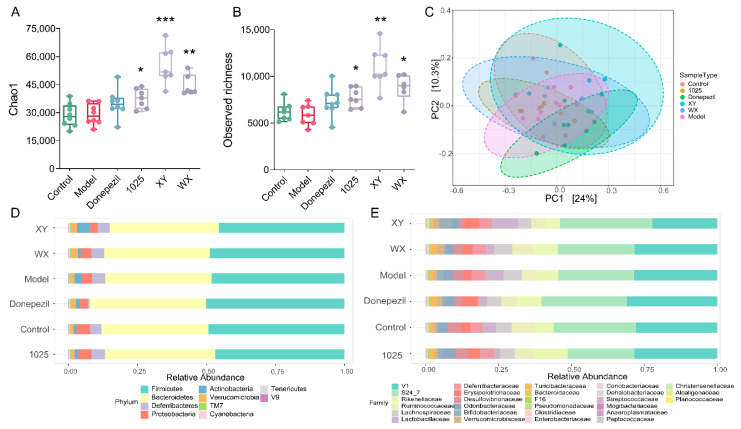
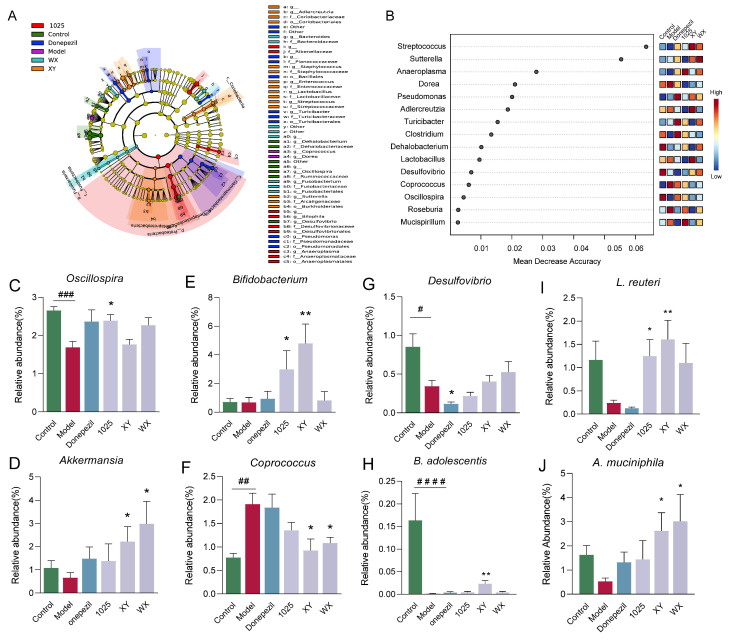
Psychobiotics are used to treat neurological disorders, including mild cognitive impairment (MCI) and Alzheimer's disease (AD). However, the mechanisms underlying their neuroprotective effects remain unclear. Herein, we report that the administration of bifidobacteria in an AD mouse model improved behavioral abnormalities and modulated gut dysbiosis. CCFM1025 and WX treatment significantly improved synaptic plasticity and increased the concentrations of brain-derived neurotrophic factor (BDNF), fibronectin type III domain-containing protein 5 (FNDC5), and postsynaptic density protein 95 (PSD-95). Furthermore, the microbiome and metabolomic profiles of mice indicate that specific bacterial taxa and their metabolites correlate with AD-associated behaviors, suggesting that the gut-brain axis contributes to the pathophysiology of AD. Overall, these findings reveal that CCFM1025 and WX have beneficial effects on cognition via the modulation of the gut microbiome, and thus represent a novel probiotic dietary intervention for delaying the progression of AD.
精神益生菌用于治疗神经疾病,包括轻度认知障碍(MCI)和阿尔茨海默病(AD)。然而,其神经保护作用的潜在机制仍不清楚。在此,我们报告在AD小鼠模型中给予双歧杆菌可改善行为异常并调节肠道菌群失调。CCFM1025和WX治疗显著改善了突触可塑性,并增加了脑源性神经营养因子(BDNF)、含III型纤连蛋白结构域蛋白5(FNDC5)和突触后致密蛋白95(PSD-95)的浓度。此外,小鼠的微生物组和代谢组学图谱表明,特定的细菌类群及其代谢产物与AD相关行为相关,这表明肠-脑轴参与了AD的病理生理过程。总体而言,这些发现揭示了CCFM1025和WX通过调节肠道微生物组对认知具有有益作用,因此代表了一种新型的益生菌饮食干预措施,可延缓AD的进展。