Grujić-Milanović Jelica, Jaćević Vesna, Miloradović Zoran, Jovović Djurdjica, Milosavljević Ivica, Milanović Sladjan D, Mihailović-Stanojević Nevena
Laboratory for Experimental Hypertension, Institute for Medical Research, Department for Cardiovascular Research, University of Belgrade, National Institute of the Republic Serbia, 11000 Belgrade, Serbia.
Department for Experimental Toxicology and Pharmacology, National Poison Control Centre, Military Medical Academy, 11000 Belgrade, Serbia.
Int J Mol Sci. 2021 May 8;22(9):5006. doi: 10.3390/ijms22095006.
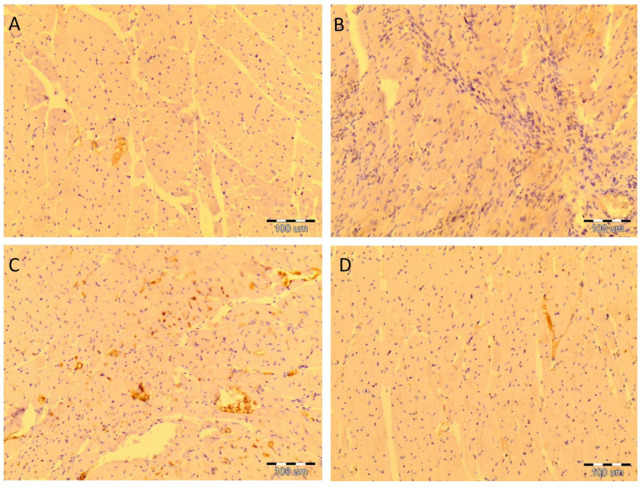
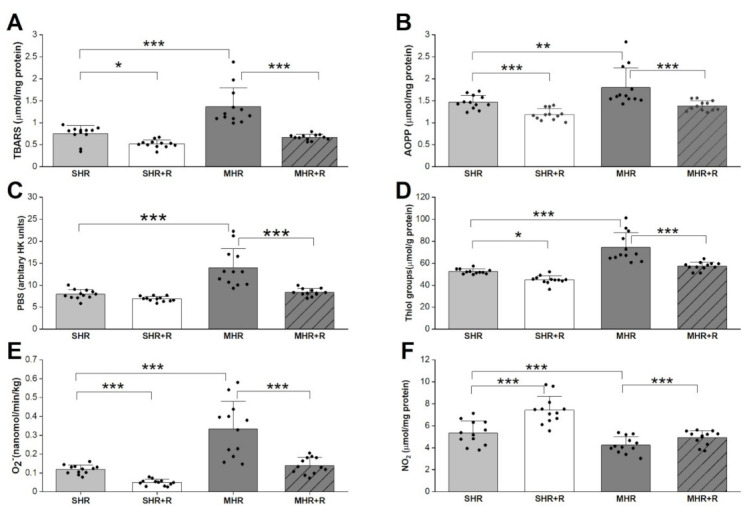
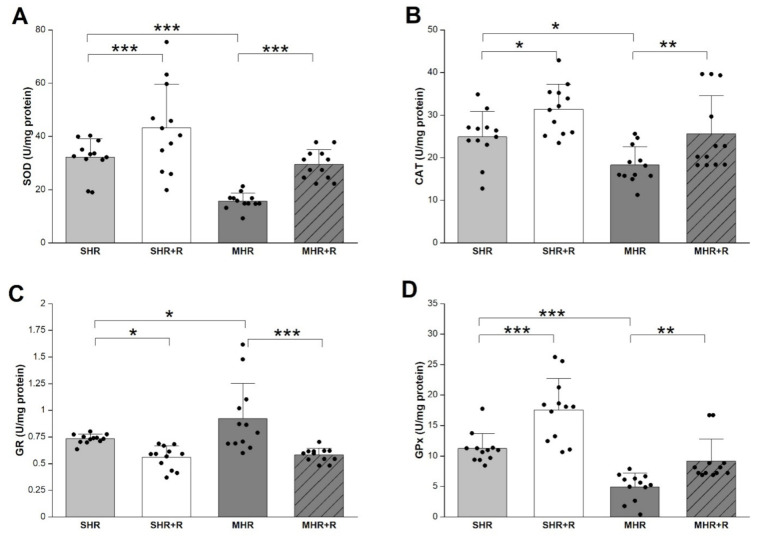
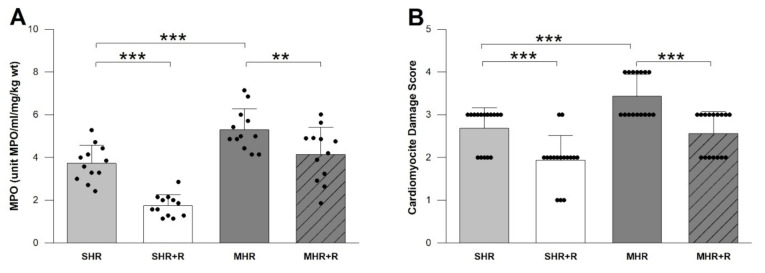
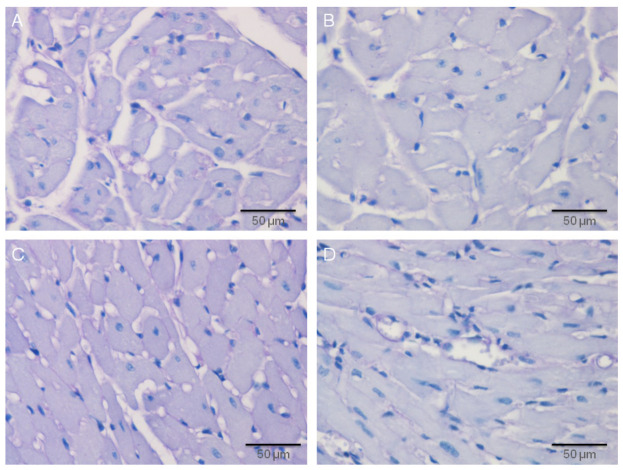
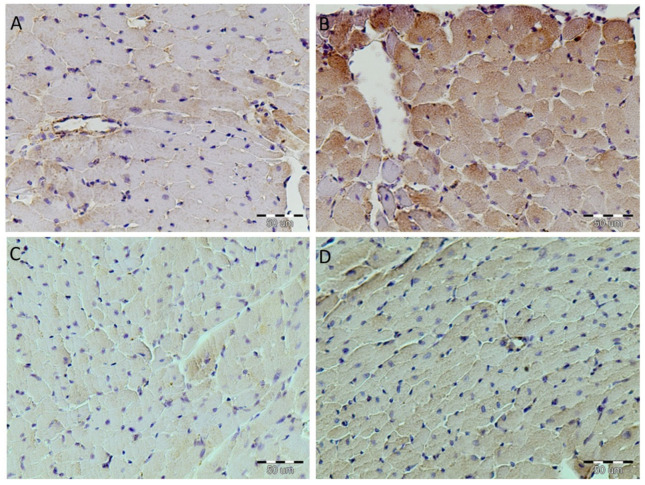
Hypertension is one of the most prevalent and powerful contributors of cardiovascular diseases. Malignant hypertension is a relatively rare but extremely severe form of hypertension accompanied with heart, brain, and renal impairment. Resveratrol, a recently described grape-derived, polyphenolic antioxidant molecule, has been proposed as an effective agent in the prevention of cardiovascular diseases. This study was designed to examine chronic resveratrol administration on blood pressure, oxidative stress, and inflammation, with special emphasis on cardiac structure and function in two models of experimental hypertension. The experiments were performed in spontaneously (SHRs) and malignantly hypertensive rats (MHRs). The chronic administration of resveratrol significantly decreased blood pressure in both spontaneously and malignant hypertensive animals. The resveratrol treatment ameliorated morphological changes in the heart tissue. The immunohistochemistry of the heart tissue after resveratrol treatment showed that both TGF-β and Bax were not present in the myocytes of SHRs and were present mainly in the myocytes of MHRs. Resveratrol suppressed lipid peroxidation and significantly improved oxidative status and release of NO. These results suggest that resveratrol prevents hypertrophic and apoptotic consequences induced by high blood pressure with more pronounced effects in malignant hypertension.
高血压是心血管疾病最普遍且最主要的促成因素之一。恶性高血压是一种相对罕见但极其严重的高血压形式,伴有心、脑和肾损害。白藜芦醇是一种最近被描述的源自葡萄的多酚类抗氧化分子,已被提议作为预防心血管疾病的有效药物。本研究旨在探讨长期给予白藜芦醇对血压、氧化应激和炎症的影响,特别关注两种实验性高血压模型中心脏的结构和功能。实验在自发性高血压大鼠(SHRs)和恶性高血压大鼠(MHRs)中进行。长期给予白藜芦醇可显著降低自发性高血压和恶性高血压动物的血压。白藜芦醇治疗改善了心脏组织的形态学变化。白藜芦醇治疗后心脏组织的免疫组化显示,转化生长因子-β(TGF-β)和 Bax 在 SHRs 的心肌细胞中均不存在,而主要存在于 MHRs 的心肌细胞中。白藜芦醇抑制脂质过氧化,并显著改善氧化状态和一氧化氮(NO)的释放。这些结果表明,白藜芦醇可预防高血压诱导的肥厚和凋亡后果,在恶性高血压中效果更为显著。