Engineering Research Center of Molecular and Neuro Imaging of Ministry of Education, School of Life Science and Technology, Xidian University, Xi'an, Shaanxi 710126, China; CAS Key Laboratory of Molecular Imaging, Beijing Key Laboratory of Molecular Imaging, the State Key Laboratory of Management and Control for Complex Systems, Institute of Automation, Chinese Academy of Sciences, Beijing 100190, China.
Department of Radiology, the Third Affiliated Hospital of Kunming Medical University, Yunnan Cancer Hospital, Yunnan Cancer Center, Kunming 650118, China.
EBioMedicine. 2021 Jul;69:103442. doi: 10.1016/j.ebiom.2021.103442. Epub 2021 Jun 20.
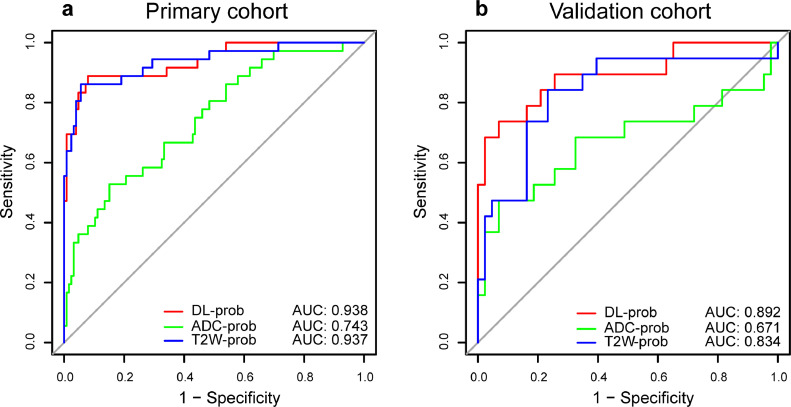
Accurate predictions of distant metastasis (DM) in locally advanced rectal cancer (LARC) patients receiving neoadjuvant chemoradiotherapy (nCRT) are helpful in developing appropriate treatment plans. This study aimed to perform DM prediction through deep learning radiomics.
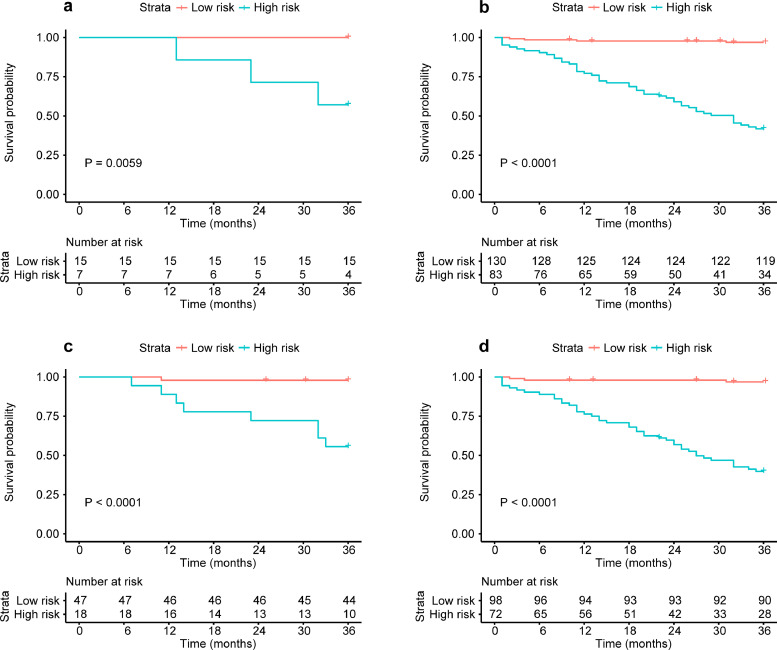
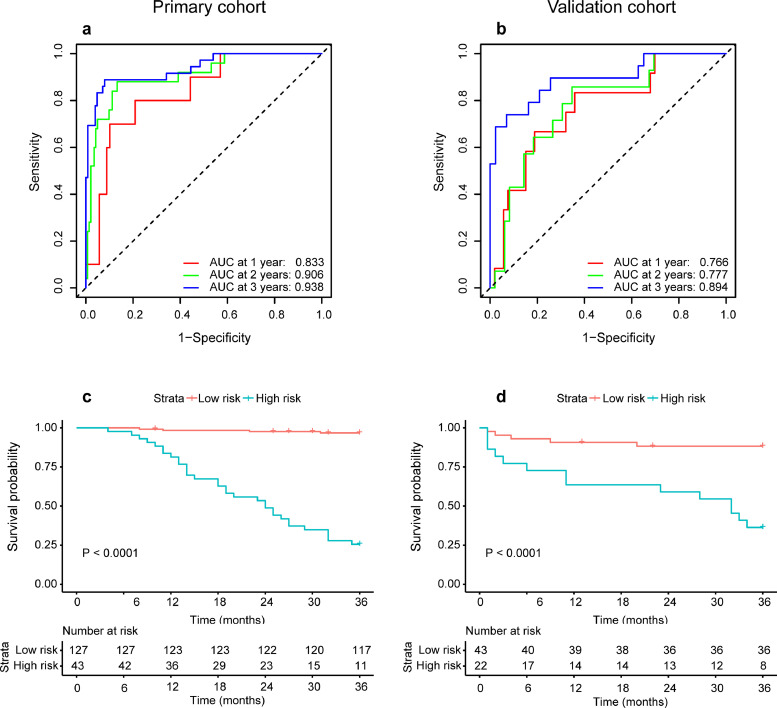
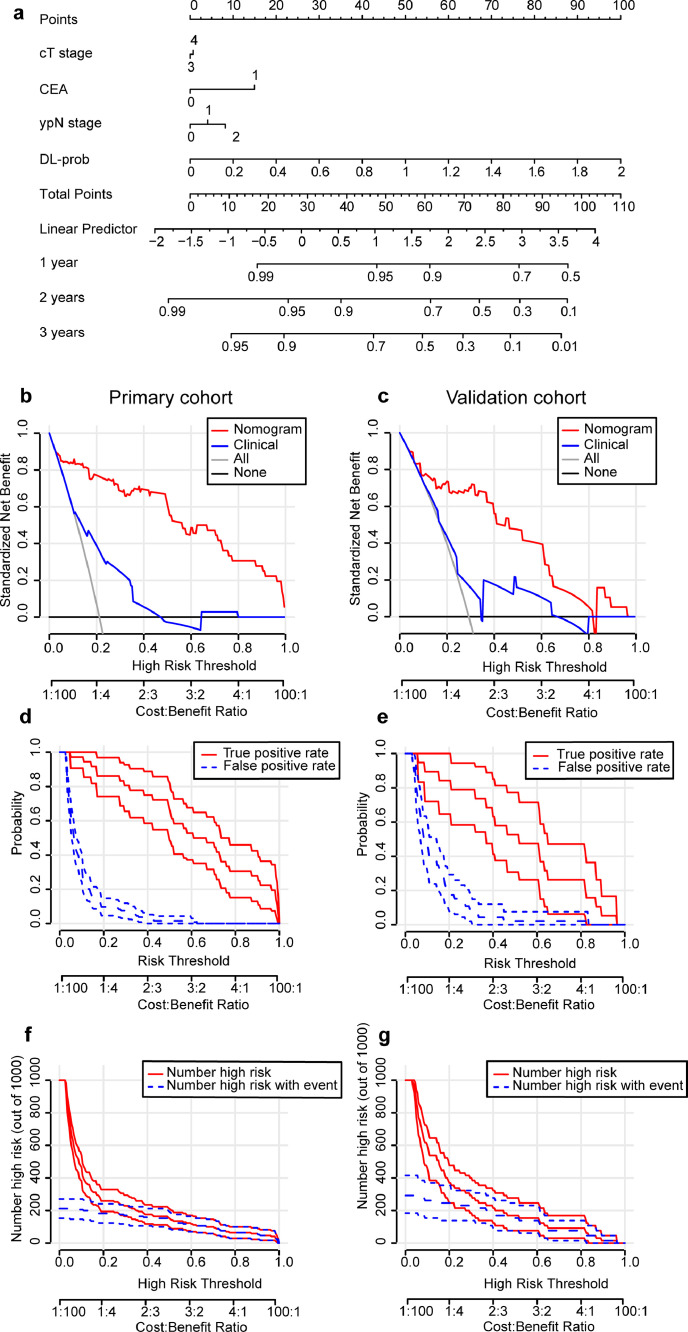
We retrospectively sampled 235 patients receiving nCRT with the minimum 36 months' postoperative follow-up from three hospitals. Through transfer learning, a deep learning radiomic signature (DLRS) based on multiparametric magnetic resonance imaging (MRI) was constructed. A nomogram was established integrating deep MRI information and clinicopathologic factors for better prediction. Harrell's concordance index (C-index) and time-dependent receiver operating characteristic (ROC) were used as performance metrics. Furthermore, the risk of DM in patients with different response to nCRT was evaluated with the nomogram.
DLRS performed well in DM prediction, with a C-index of 0·747 and an area under curve (AUC) at three years of 0·894 in the validation cohort. The performance of nomogram was better, with a C-index of 0·775. In addition, the nomogram could stratify patients with different responses to nCRT into high- and low-risk groups of DM (P < 0·05).
MRI-based deep learning radiomics had potential in predicting the DM of LARC patients receiving nCRT and could help evaluate the risk of DM in patients who have different responses to nCRT.
The funding bodies that contributed to this study are listed in the Acknowledgements section.
准确预测接受新辅助放化疗(nCRT)的局部晚期直肠癌(LARC)患者的远处转移(DM)有助于制定合适的治疗计划。本研究旨在通过深度学习放射组学进行 DM 预测。
我们从三家医院回顾性采样了 235 名接受 nCRT 治疗且术后随访至少 36 个月的患者。通过迁移学习,构建了一种基于多参数磁共振成像(MRI)的深度学习放射组学特征(DLRS)。建立了一个包含深 MRI 信息和临床病理因素的列线图,以更好地进行预测。采用 Harrell 一致性指数(C-index)和时间依赖性接受者操作特征(ROC)作为性能指标。此外,利用列线图评估了不同 nCRT 反应患者的 DM 风险。
DLRS 在 DM 预测中表现良好,验证队列的 C-index 为 0.747,三年 AUC 为 0.894。列线图的性能更好,C-index 为 0.775。此外,列线图可以将对 nCRT 反应不同的患者分为 DM 的高风险和低风险组(P<0.05)。
基于 MRI 的深度学习放射组学在预测接受 nCRT 的 LARC 患者的 DM 方面具有潜力,并且可以帮助评估对 nCRT 反应不同的患者的 DM 风险。
对本研究有贡献的资助机构列于致谢部分。