Mental Health Research Unit, Department of Epidemiology and Health Monitoring, Robert Koch Institute, 12101 Berlin, Germany.
Institute of Clinical Epidemiology and Biometry, Julius-Maximilians-University of Würzburg, 97080 Würzburg, Germany.
Int J Environ Res Public Health. 2021 Jun 8;18(12):6212. doi: 10.3390/ijerph18126212.
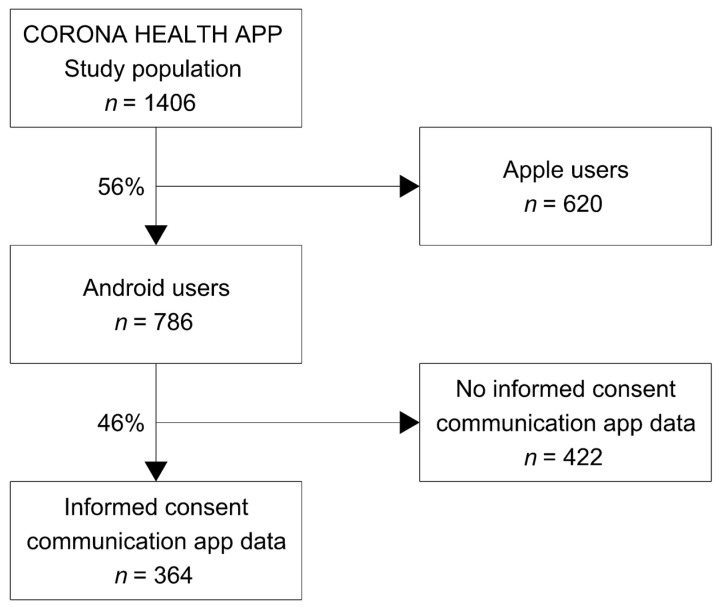
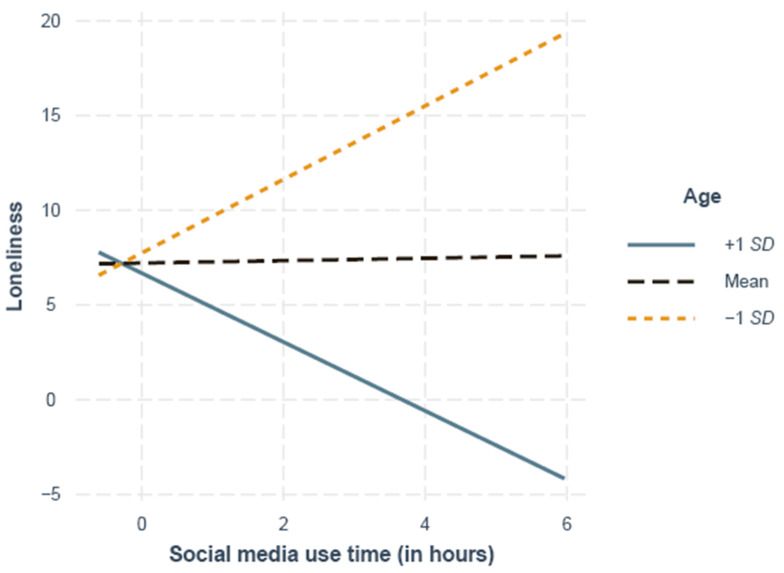
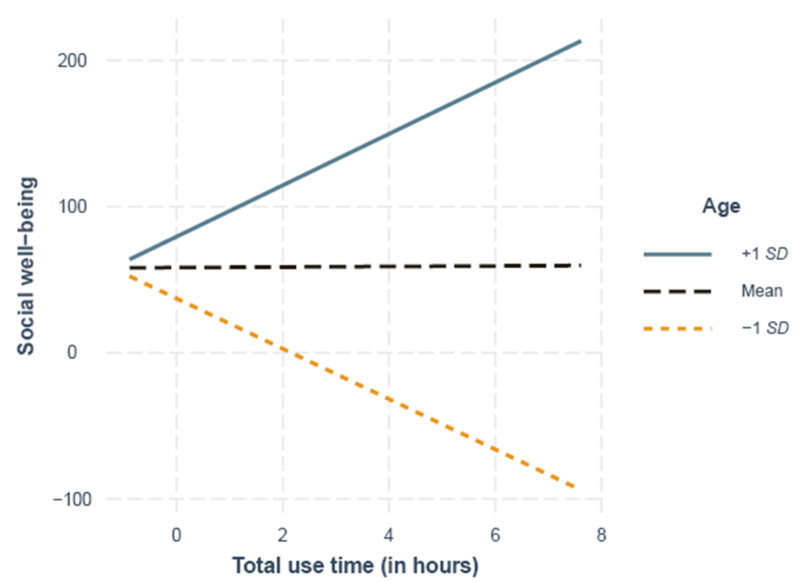
Loneliness and lack of social well-being are associated with adverse health outcomes and have increased during the COVID-19 pandemic. Smartphone communication data have been suggested to help monitor loneliness, but this requires further evidence. We investigated the informative value of smartphone communication app data for predicting subjective loneliness and social well-being in a sample of 364 participants ranging from 18 to 78 years of age (52.2% female; mean age = 42.54, SD = 13.22) derived from the CORONA HEALTH APP study from July to December 2020 in Germany. The participants experienced relatively high levels of loneliness and low social well-being during the time period characterized by the COVID-19 pandemic. Apart from positive associations with phone call use times, smartphone communication app use was associated with social well-being and loneliness only when considering the age of participants. Younger participants with higher use times tended to report less social well-being and higher loneliness, while the opposite association was found for older adults. Thus, the informative value of smartphone communication use time was rather small and became evident only in consideration of age. The results highlight the need for further investigations and the need to address several limitations in order to draw conclusions at the population level.
孤独感和缺乏社会幸福感与不良健康结果有关,并且在 COVID-19 大流行期间有所增加。智能手机通信数据被认为有助于监测孤独感,但这需要进一步的证据。我们调查了智能手机通信应用程序数据在预测 COVID-19 大流行期间德国 CORONA HEALTH APP 研究中从 2020 年 7 月至 12 月招募的 364 名年龄在 18 至 78 岁(女性占 52.2%;平均年龄 = 42.54,SD = 13.22)参与者的主观孤独感和社会幸福感方面的信息价值。在此期间,参与者经历了相对较高水平的孤独感和低社会幸福感。除了与电话使用时间呈正相关外,智能手机通信应用程序的使用仅在考虑参与者年龄时才与社会幸福感和孤独感相关。使用时间较长的年轻参与者往往报告社会幸福感较低和孤独感较高,而老年参与者则相反。因此,智能手机通信使用时间的信息价值相当小,只有在考虑年龄的情况下才明显。结果强调了进一步调查的必要性,并需要解决一些限制,以便在人群水平上得出结论。