Key Laboratory of Zoonosis Research, Ministry of Education, College of Veterinary Medicine, Jilin Universitygrid.64924.3d, Changchun, China.
Key Laboratory of Zoonosis Research, Ministry of Education, Institute of Zoonosis, Jilin Universitygrid.64924.3d, Changchun, China.
J Virol. 2021 Sep 9;95(19):e0085121. doi: 10.1128/JVI.00851-21. Epub 2021 Jul 21.
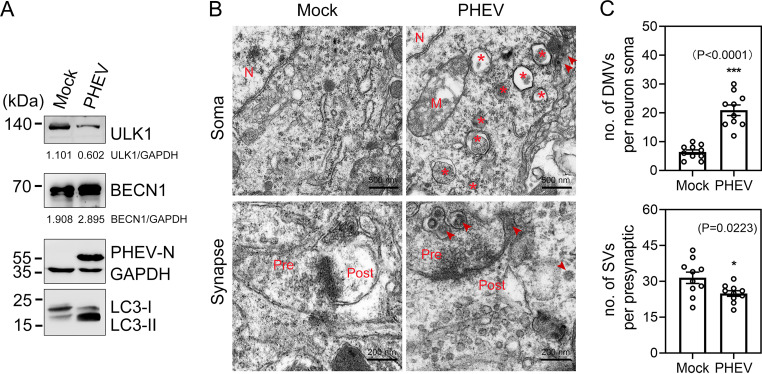
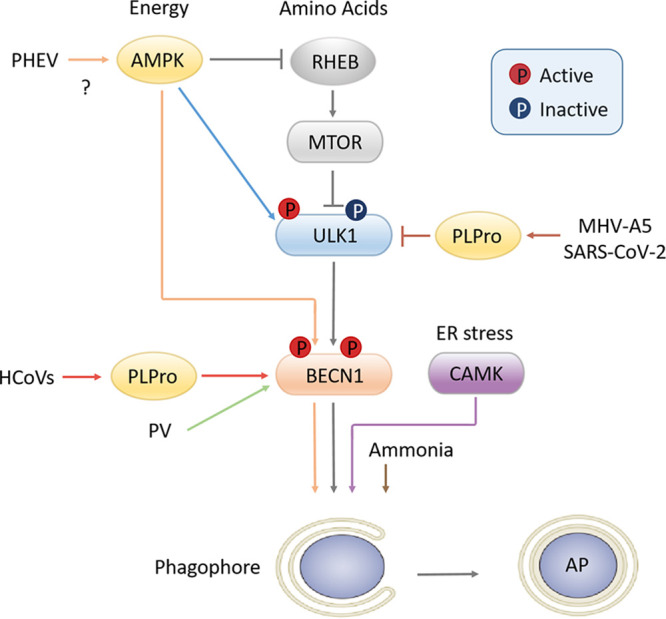
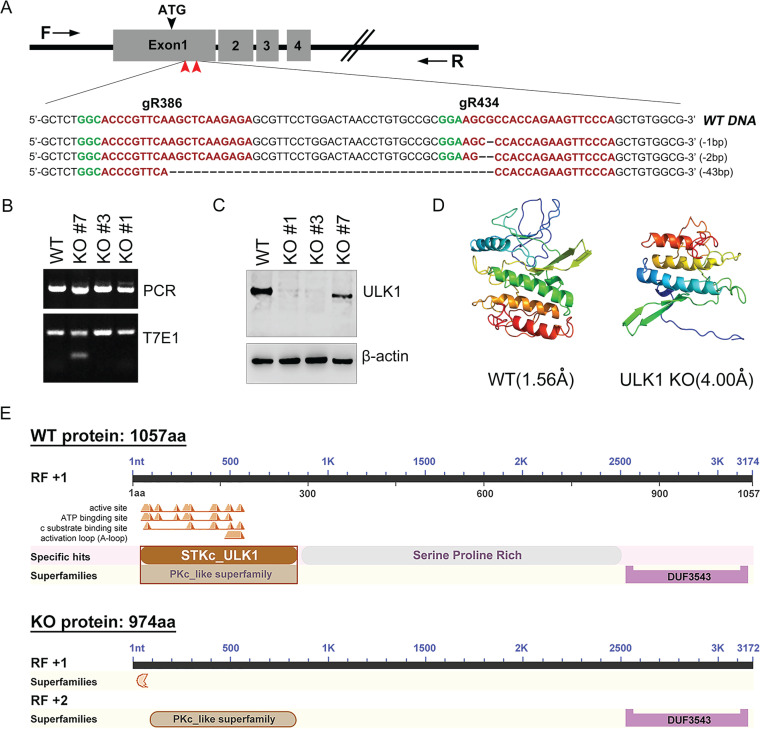
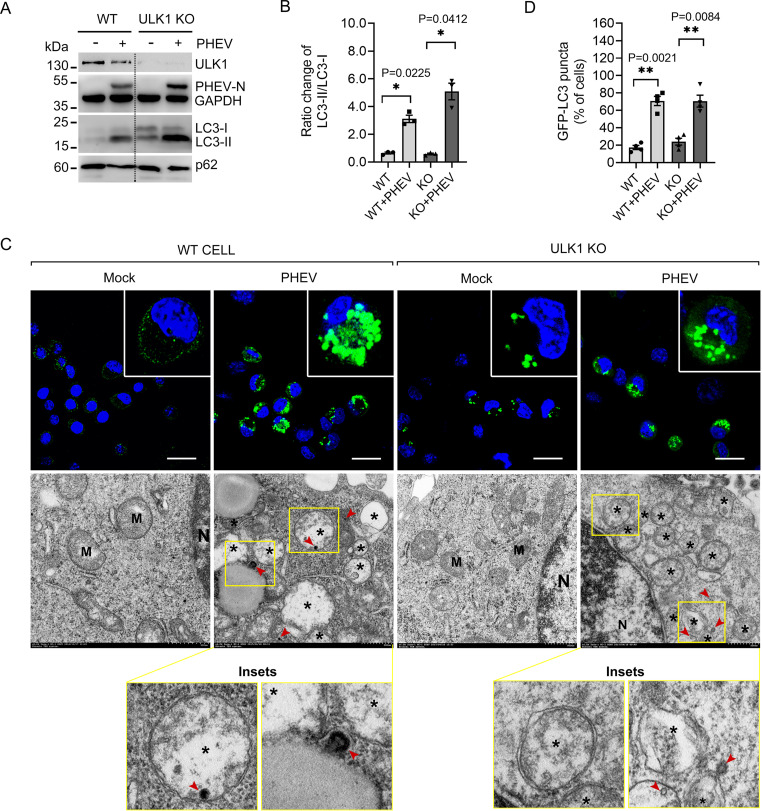
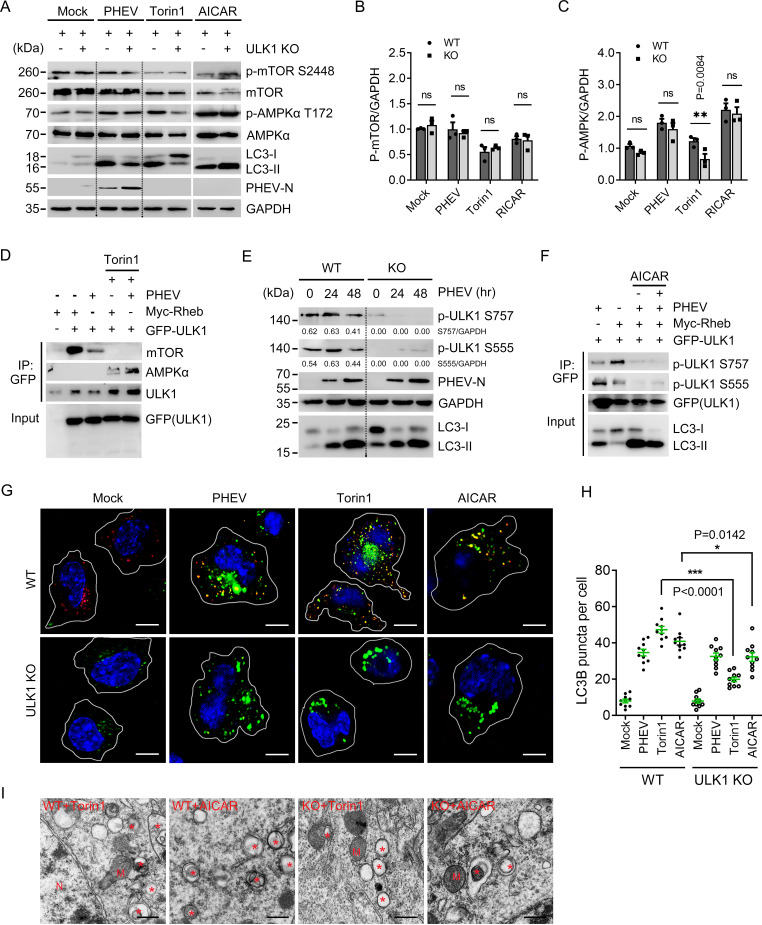
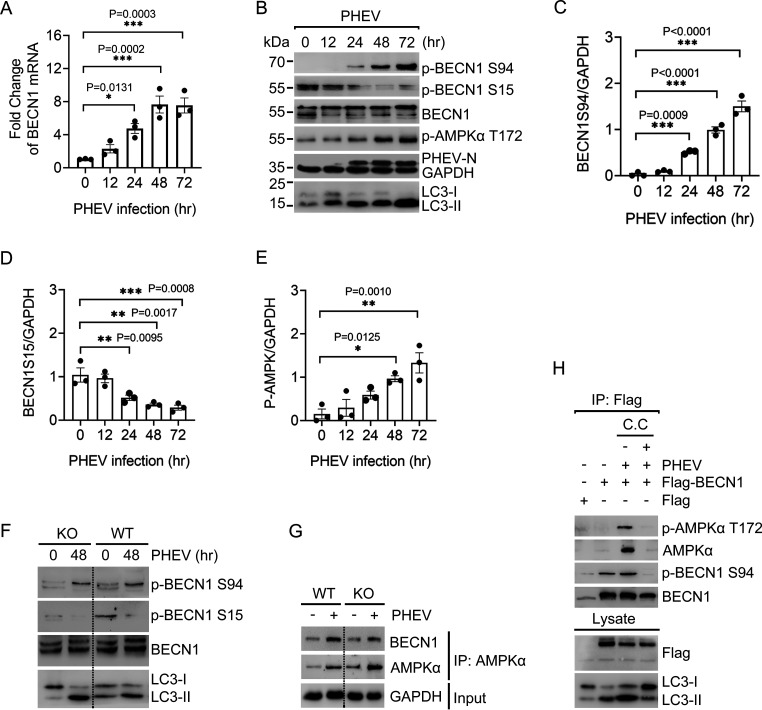
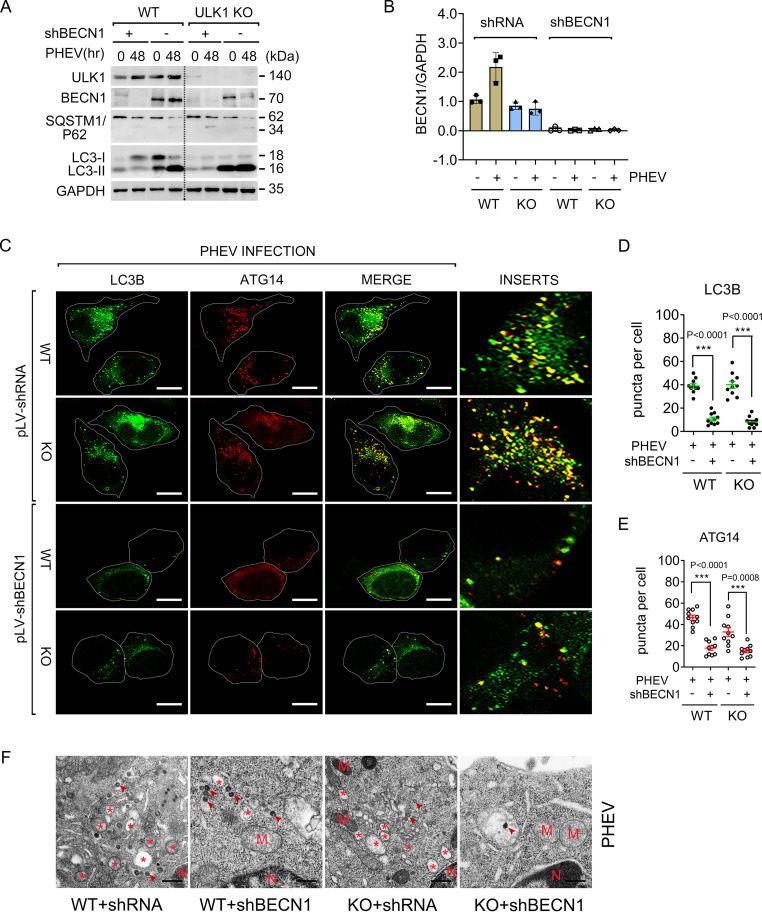
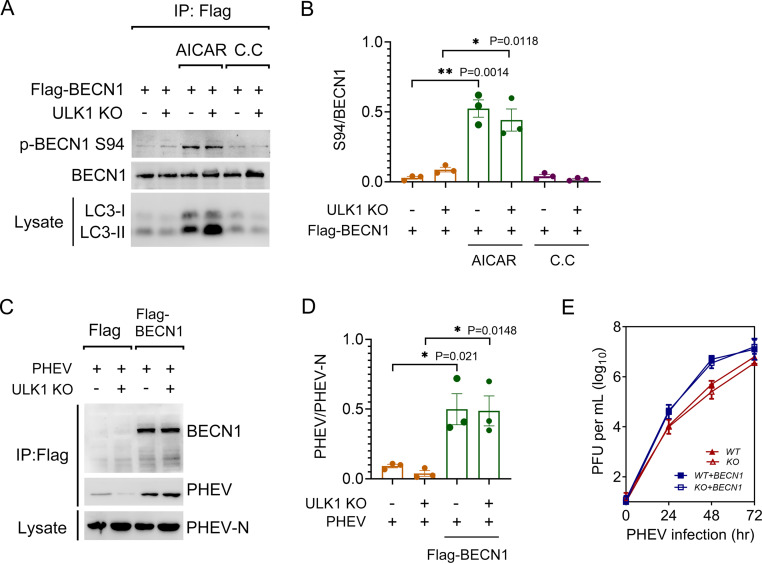
Uncoordinated 51-like kinase 1 (ULK1) is a well-characterized initiator of canonical autophagy under basal or pathological conditions. Porcine hemagglutinating encephalomyelitis virus (PHEV), a neurotropic betacoronavirus (β-CoV), impairs ULK1 kinase but hijacks autophagy to facilitate viral proliferation. However, the machinery of PHEV-induced autophagy initiation upon ULK1 kinase deficiency remains unclear. Here, the time course of PHEV infection showed a significant accumulation of autophagosomes (APs) in nerve cells and . Utilizing ULK1-knockout neuroblastoma cells, we have identified that ULK1 is not essential for productive AP formation induced by PHEV. phosphorylation studies discovered that mTORC1-regulated ULK1 activation stalls during PHEV infection, whereas AP biogenesis was controlled by AMPK-driven BECN1 phosphorylation. A lack of BECN1 is sufficient to block LC3 lipidation and disrupt recruitment of the LC3-ATG14 complex. Moreover, BECN1 acts as a bona fide substrate for ULK1-independent neural autophagy, and ectopic expression of BECN1 somewhat enhances PHEV replication. These findings highlight a novel machinery of noncanonical autophagy independent of ULK1 that bypasses the conserved initiation circuit of AMPK-mTORC1-ULK1, providing new insights into the interplay between neurotropic β-CoV and the host. The ongoing coronavirus disease 2019 (COVID-19) pandemic alongside the outbreaks of severe acute respiratory syndrome (SARS) and Middle East respiratory syndrome (MERS) pose (β-CoV) as a global public health challenge. Coronaviruses subvert, hijack, or utilize autophagy to promote proliferation, and thus, exploring the cross talk between β-CoV and autophagy is of great significance in confronting future β-CoV outbreaks. Porcine hemagglutinating encephalomyelitis virus (PHEV) is a highly neurotropic β-CoV that invades the central nervous system (CNS) in pigs, but understanding of the pathogenesis for PHEV-induced neurological dysfunction is yet limited. Here, we discovered a novel regulatory principle of neural autophagy initiation during PHEV infection, where productive autophagosome (AP) biogenesis bypasses the multifaceted regulation of ULK1 kinase. The PHEV-triggered noncanonical autophagy underscores the complex interactions of virus and host and will help in the development of therapeutic strategies targeting noncanonical autophagy to treat β-CoV disease.
未协调的 51 样激酶 1(ULK1)是在基础或病理条件下经典自噬的公认起始因子。猪传染性脑脊髓炎病毒(PHEV)是一种神经嗜性β冠状病毒(β-CoV),可抑制 ULK1 激酶但劫持自噬以促进病毒增殖。然而,在 ULK1 激酶缺陷的情况下,PHEV 诱导自噬起始的机制仍不清楚。在这里,PHEV 感染的时间过程显示神经细胞中自噬体(AP)的大量积累[1]。利用 ULK1 敲除的神经母细胞瘤细胞,我们已经确定 ULK1 不是由 PHEV 诱导的产生活性 AP 形成所必需的[2]。磷酸化研究发现,mTORC1 调节的 ULK1 激活在 PHEV 感染期间停滞,而 AP 生物发生由 AMPK 驱动的 BECN1 磷酸化控制[3]。BECN1 的缺乏足以阻断 LC3 脂质化并破坏 LC3-ATG14 复合物的募集[3]。此外,BECN1 是神经自主噬作用的真正底物,并且 BECN1 的异位表达在某种程度上增强了 PHEV 的复制[3]。这些发现强调了一种新的非典型自噬机制,该机制不依赖于 ULK1,绕过了 AMPK-mTORC1-ULK1 的保守起始回路,为神经嗜性β-CoV 与宿主之间的相互作用提供了新的见解[3]。当前的 2019 年冠状病毒病(COVID-19)大流行以及严重急性呼吸系统综合症(SARS)和中东呼吸系统综合症(MERS)的爆发使β-CoV 成为全球公共卫生挑战[4]。冠状病毒颠覆、劫持或利用自噬来促进增殖,因此,探索β-CoV 与自噬之间的相互作用对于应对未来的β-CoV 爆发具有重要意义[4]。猪传染性脑脊髓炎病毒(PHEV)是一种高度神经嗜性的β-CoV,可入侵猪的中枢神经系统(CNS),但对 PHEV 引起的神经功能障碍的发病机制了解甚少[5]。在这里,我们在 PHEV 感染期间发现了神经自主噬作用起始的新调节原理,其中产生活性自噬体(AP)生物发生绕过了 ULK1 激酶的多方面调节[5]。PHEV 触发的非典型自噬强调了病毒和宿主的复杂相互作用,并将有助于开发针对非典型自噬的治疗策略,以治疗β-CoV 疾病[5]。