Ivanov Marija, Gašić Uroš, Stojković Dejan, Kostić Marina, Mišić Danijela, Soković Marina
Department of Plant Physiology, Institute for Biological Research "Siniša Stanković"-National Institute of Republic of Serbia, University of Belgrade, Bulevar Despota Stefana 142, Belgrade 11000, Serbia.
Evid Based Complement Alternat Med. 2021 Jul 22;2021:9961089. doi: 10.1155/2021/9961089. eCollection 2021.
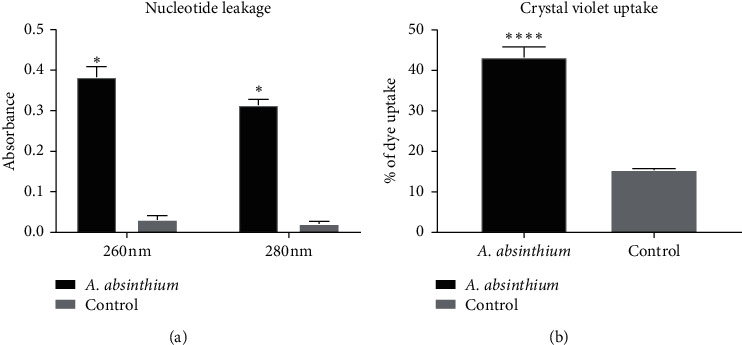
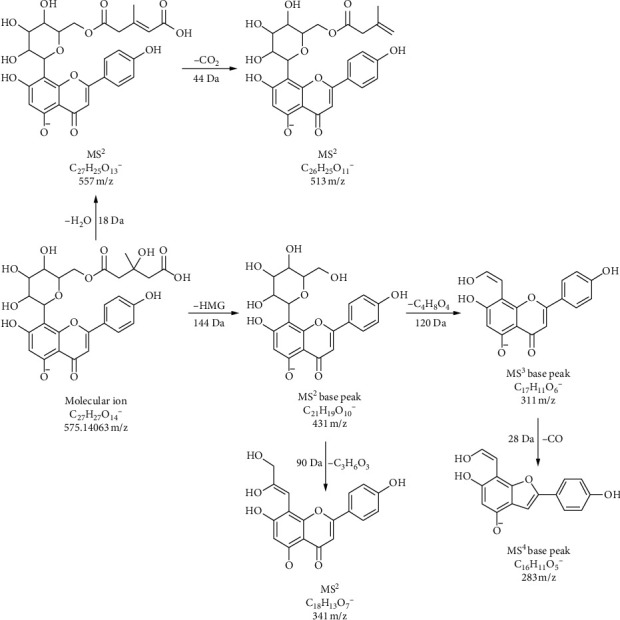
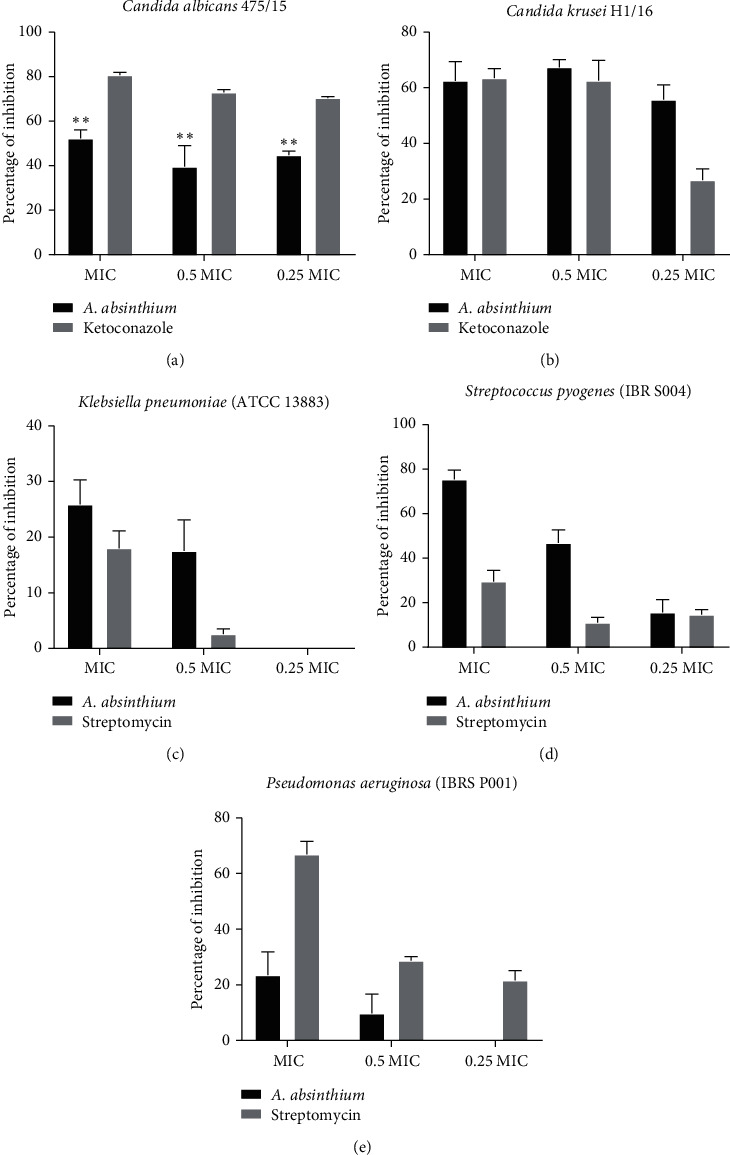
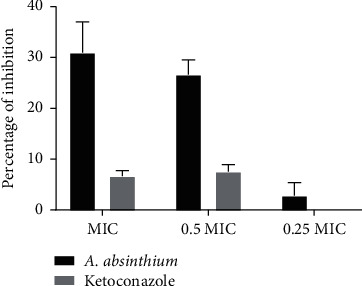
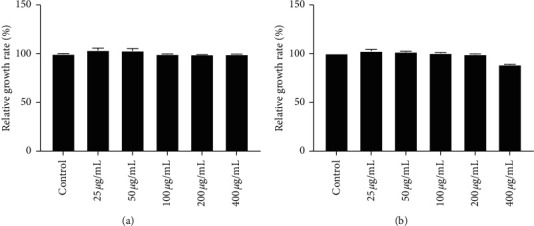
L. (Asteraceae) is traditionally used for gastrointestinal ailments and disorders linked to numerous risk factors including microbial infections. We aimed to provide contemporary evidence for its ethnopharmacological use and determine its antimicrobial capacity and mode of action, cytotoxicity, and phenolic constituents. Ethnopharmacological survey was conducted using semistructured interviews. Antimicrobial and antibiofilm capacities were determined by microdilution/crystal violet assay, respectively. Modes of action tested include estimation of exopolysaccharide production (congo red binding assay) and interference with membrane integrity (crystal violet uptake and nucleotide leakage assay). Cytotoxicity was determined using crystal violet assay. Polyphenolic profiling was done by advanced liquid chromatography/mass spectrometry (UHPLC-LTQ OrbiTrap MS). in Serbia is traditionally used for gastrointestinal disorders, among others. Further study revealed high antifungal capacity of herb ethanolic extract towards range of species (MIC 0.5-1 mg/mL) along with promising antibacterial activities (MIC 0.25-4 mg/mL). Interference with membrane integrity could be observed as a possible antimicrobial mechanism. Antibiofilm potential can be considered as high (towards ) to limited (towards ) and moderate based on reduction in exopolysaccharide content. In concentrations up to 400 g/mL, no cytotoxicity was observed towards HaCaT and HGF-1 cell lines. Polyphenolic analysis revealed twenty-one different constituents. usage as a gastrointestinal ailment remedy has been confirmed by its antimicrobial capacity towards microorganisms whose presence is linked to the diseases and associated complications and noncytotoxic nature of the natural product. The observed activities could be attributed to the present phenolic compounds.
唇形科(菊科)传统上用于治疗胃肠道疾病以及与包括微生物感染在内的多种风险因素相关的病症。我们旨在为其民族药理学用途提供当代证据,并确定其抗菌能力、作用方式、细胞毒性和酚类成分。通过半结构化访谈进行民族药理学调查。分别通过微量稀释法/结晶紫测定法确定抗菌和抗生物膜能力。测试的作用方式包括估计胞外多糖产量(刚果红结合测定法)和干扰膜完整性(结晶紫摄取和核苷酸泄漏测定法)。使用结晶紫测定法确定细胞毒性。通过先进的液相色谱/质谱法(超高效液相色谱-线性离子阱轨道阱质谱法)进行多酚谱分析。在塞尔维亚,传统上用于治疗胃肠道疾病等。进一步研究表明,该草药乙醇提取物对多种物种具有高抗真菌能力(最低抑菌浓度为0.5-1毫克/毫升)以及有前景的抗菌活性(最低抑菌浓度为0.25-4毫克/毫升)。可以观察到干扰膜完整性可能是一种抗菌机制。基于胞外多糖含量的降低,抗生物膜潜力可被认为是高(对……)到有限(对……)和中等。在浓度高达400微克/毫升时,未观察到对HaCaT和HGF-1细胞系的细胞毒性。多酚分析揭示了21种不同成分。其作为胃肠道疾病治疗药物的用途已通过其对与疾病及其相关并发症存在相关的微生物的抗菌能力以及该天然产物的无细胞毒性性质得到证实。观察到的活性可能归因于存在的酚类化合物。