• 文献检索
  • 文档翻译
  • 深度研究
  • 学术资讯
  • Suppr Zotero 插件Zotero 插件
  • 邀请有礼
  • 套餐&价格
  • 历史记录
应用&插件
Suppr Zotero 插件Zotero 插件浏览器插件Mac 客户端Windows 客户端微信小程序
定价
高级版会员购买积分包购买API积分包
服务
文献检索文档翻译深度研究API 文档MCP 服务
关于我们
关于 Suppr公司介绍联系我们用户协议隐私条款
关注我们

Suppr 超能文献

核心技术专利:CN118964589B侵权必究
粤ICP备2023148730 号-1Suppr @ 2026

文献检索

告别复杂PubMed语法,用中文像聊天一样搜索,搜遍4000万医学文献。AI智能推荐,让科研检索更轻松。

立即免费搜索

文件翻译

保留排版,准确专业,支持PDF/Word/PPT等文件格式,支持 12+语言互译。

免费翻译文档

深度研究

AI帮你快速写综述,25分钟生成高质量综述,智能提取关键信息,辅助科研写作。

立即免费体验

为 COVID-19 及类似病毒的基因组序列分析启用人工智能。

Enabling Artificial Intelligence for Genome Sequence Analysis of COVID-19 and Alike Viruses.

机构信息

Center of Excellence in IT, Institute of Management Sciences, Hayatabad, Peshawar, 25000, Khyber Pakhtunkhwa, Pakistan.

Department of Embedded Systems Engineering, Incheon National University, Incheon, Korea.

出版信息

Interdiscip Sci. 2022 Jun;14(2):504-519. doi: 10.1007/s12539-021-00465-0. Epub 2021 Aug 6.

DOI:10.1007/s12539-021-00465-0
PMID:34357528
原文链接:https://pmc.ncbi.nlm.nih.gov/articles/PMC8342660/
Abstract

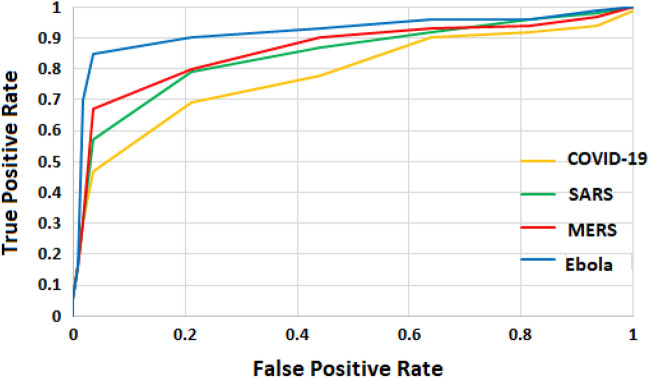
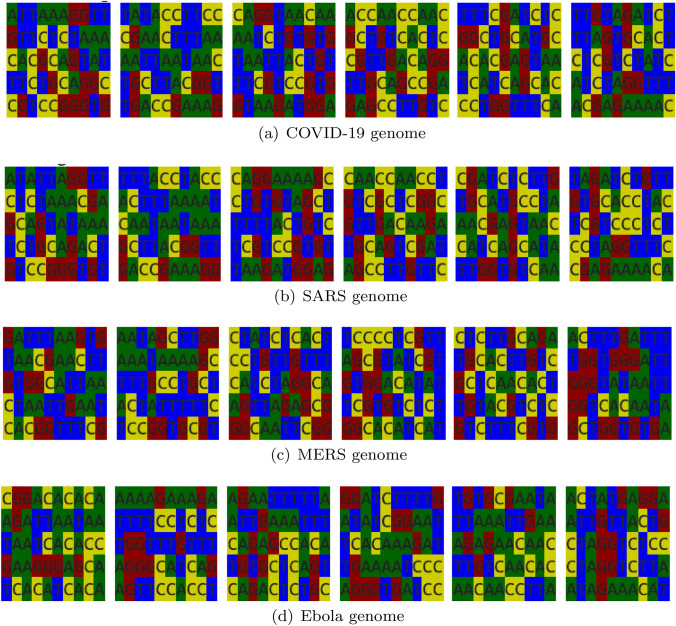
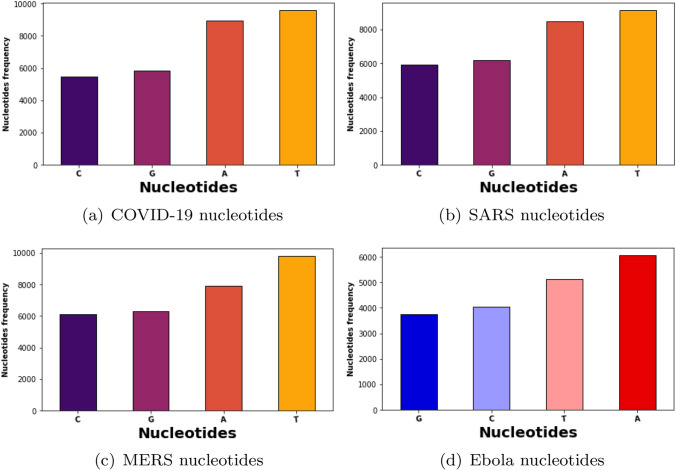
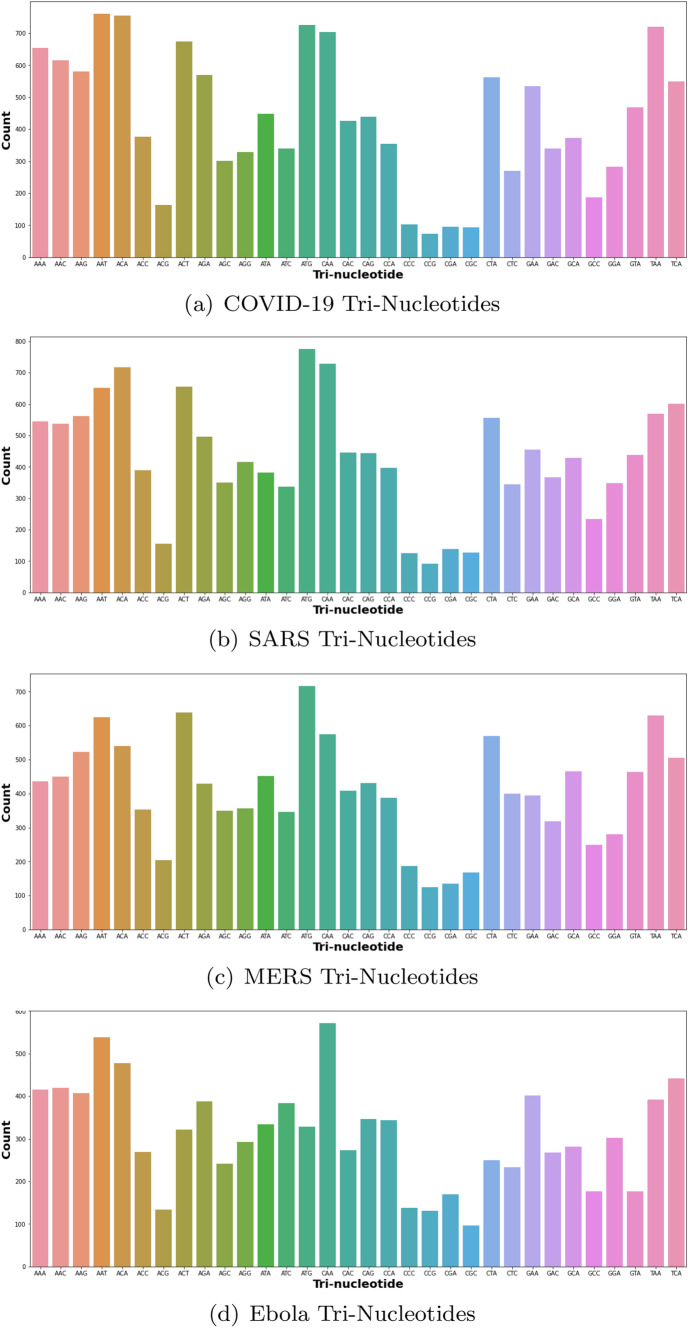
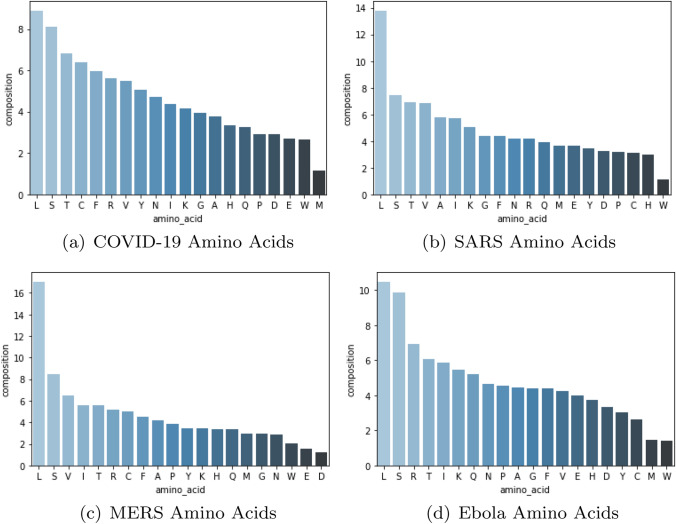
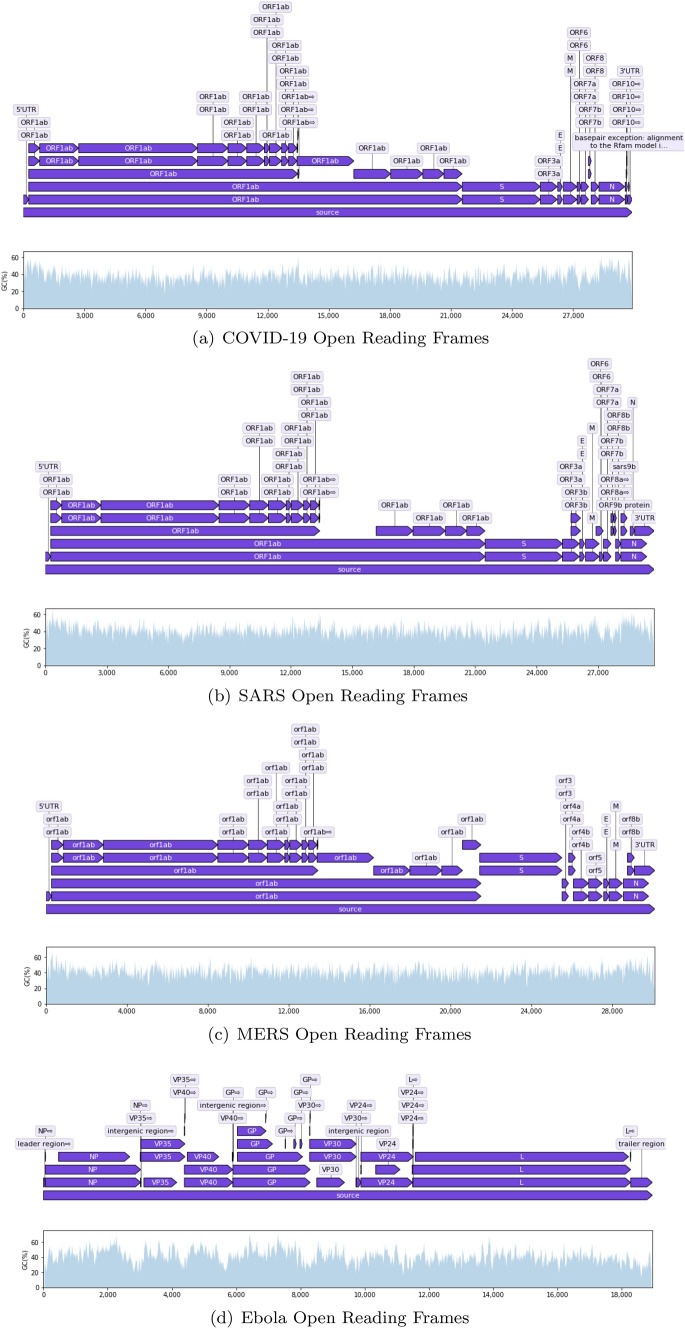
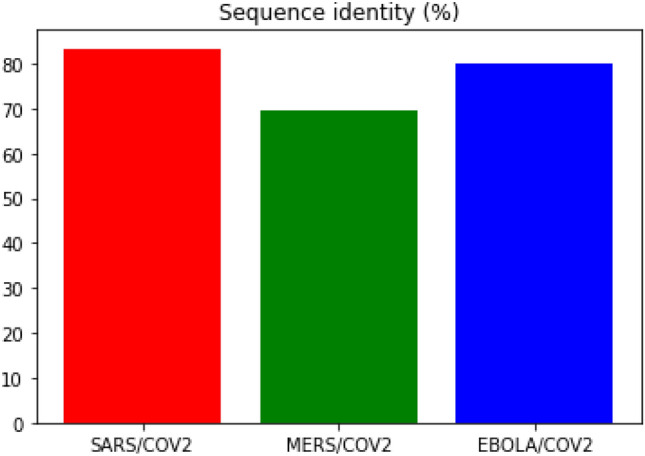
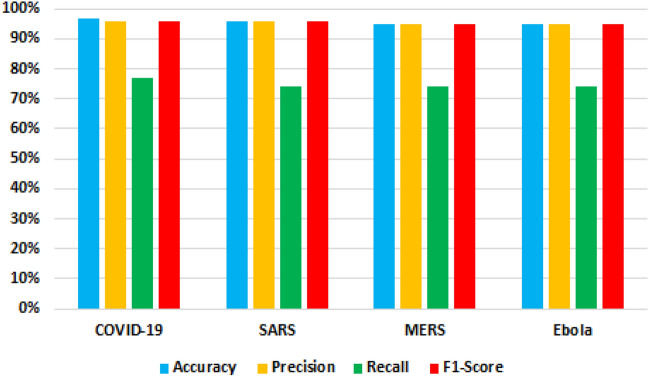
Recent pandemic of COVID-19 (Coronavirus) caused by severe acute respiratory syndrome Coronavirus 2 (SARS-CoV-2) has been growing lethally with unusual speed. It has infected millions of people and continues a mortifying influence on the global population's health and well-being. In this situation, genome sequence analysis and advanced artificial intelligence techniques may help researchers and medical experts to understand the genetic variants of COVID-19 or SARS-CoV-2. Genome sequence analysis of COVID-19 is crucial to understand the virus's origin, behavior, and structure, which might help produce/develop vaccines, antiviral drugs, and efficient preventive strategies. This paper introduces an artificial intelligence based system to perform genome sequence analysis of COVID-19 and alike viruses, e.g., SARS, middle east respiratory syndrome, and Ebola. The system helps to get important information from the genome sequences of different viruses. We perform comparative data analysis by extracting basic information of COVID-19 and other genome sequences, including information of nucleotides composition and their frequency, tri-nucleotide compositions, count of amino acids, alignment between genome sequences, and their DNA similarity information. We use different visualization methods to analyze these viruses' genome sequences and, finally, apply machine learning based classifier support vector machine to classify different genome sequences. The data set of different virus genome sequences are obtained from an online publicly accessible data center repository. The system achieves good classification results with an accuracy of 97% for COVID-19, 96%, SARS, and 95% for MERS and Ebola genome sequences, respectively.

摘要

近期由严重急性呼吸系统综合征冠状病毒 2(SARS-CoV-2)引起的 COVID-19(冠状病毒)大流行以异常的速度致命地蔓延。它感染了数百万人,并继续对全球人口的健康和福祉产生令人痛心的影响。在这种情况下,基因组序列分析和先进的人工智能技术可能有助于研究人员和医学专家了解 COVID-19 或 SARS-CoV-2 的遗传变异。分析 COVID-19 的基因组序列对于了解病毒的起源、行为和结构至关重要,这可能有助于生产/开发疫苗、抗病毒药物和有效的预防策略。本文介绍了一种基于人工智能的系统,用于分析 COVID-19 及类似病毒(如 SARS、中东呼吸综合征和埃博拉)的基因组序列。该系统有助于从不同病毒的基因组序列中获取重要信息。我们通过提取 COVID-19 和其他基因组序列的基本信息,包括核苷酸组成及其频率、三核苷酸组成、氨基酸计数、基因组序列比对及其 DNA 相似性信息,进行比较数据分析。我们使用不同的可视化方法来分析这些病毒的基因组序列,并最终应用基于机器学习的分类器支持向量机来对不同的基因组序列进行分类。不同病毒基因组序列的数据集来自在线公共可访问的数据中心存储库。该系统对 COVID-19 的分类结果达到了 97%的准确率,对 SARS 的准确率为 96%,对 MERS 和埃博拉的准确率分别为 95%。
https://cdn.ncbi.nlm.nih.gov/pmc/blobs/80b5/8342660/00b0f13aefc2/12539_2021_465_Fig11_HTML.jpg
https://cdn.ncbi.nlm.nih.gov/pmc/blobs/80b5/8342660/226864ff5e3d/12539_2021_465_Fig1_HTML.jpg
https://cdn.ncbi.nlm.nih.gov/pmc/blobs/80b5/8342660/511a75f51e1b/12539_2021_465_Fig2_HTML.jpg
https://cdn.ncbi.nlm.nih.gov/pmc/blobs/80b5/8342660/1b0adc128914/12539_2021_465_Fig3_HTML.jpg
https://cdn.ncbi.nlm.nih.gov/pmc/blobs/80b5/8342660/59479d930b0c/12539_2021_465_Fig4_HTML.jpg
https://cdn.ncbi.nlm.nih.gov/pmc/blobs/80b5/8342660/7448f59ef712/12539_2021_465_Fig5_HTML.jpg
https://cdn.ncbi.nlm.nih.gov/pmc/blobs/80b5/8342660/74e01b1e963c/12539_2021_465_Fig6_HTML.jpg
https://cdn.ncbi.nlm.nih.gov/pmc/blobs/80b5/8342660/3768d87a1c84/12539_2021_465_Fig7_HTML.jpg
https://cdn.ncbi.nlm.nih.gov/pmc/blobs/80b5/8342660/b066cff4f4d1/12539_2021_465_Fig8_HTML.jpg
https://cdn.ncbi.nlm.nih.gov/pmc/blobs/80b5/8342660/0d78656a6c2b/12539_2021_465_Fig9_HTML.jpg
https://cdn.ncbi.nlm.nih.gov/pmc/blobs/80b5/8342660/d6bd416ecc02/12539_2021_465_Fig10_HTML.jpg
https://cdn.ncbi.nlm.nih.gov/pmc/blobs/80b5/8342660/00b0f13aefc2/12539_2021_465_Fig11_HTML.jpg
https://cdn.ncbi.nlm.nih.gov/pmc/blobs/80b5/8342660/226864ff5e3d/12539_2021_465_Fig1_HTML.jpg
https://cdn.ncbi.nlm.nih.gov/pmc/blobs/80b5/8342660/511a75f51e1b/12539_2021_465_Fig2_HTML.jpg
https://cdn.ncbi.nlm.nih.gov/pmc/blobs/80b5/8342660/1b0adc128914/12539_2021_465_Fig3_HTML.jpg
https://cdn.ncbi.nlm.nih.gov/pmc/blobs/80b5/8342660/59479d930b0c/12539_2021_465_Fig4_HTML.jpg
https://cdn.ncbi.nlm.nih.gov/pmc/blobs/80b5/8342660/7448f59ef712/12539_2021_465_Fig5_HTML.jpg
https://cdn.ncbi.nlm.nih.gov/pmc/blobs/80b5/8342660/74e01b1e963c/12539_2021_465_Fig6_HTML.jpg
https://cdn.ncbi.nlm.nih.gov/pmc/blobs/80b5/8342660/3768d87a1c84/12539_2021_465_Fig7_HTML.jpg
https://cdn.ncbi.nlm.nih.gov/pmc/blobs/80b5/8342660/b066cff4f4d1/12539_2021_465_Fig8_HTML.jpg
https://cdn.ncbi.nlm.nih.gov/pmc/blobs/80b5/8342660/0d78656a6c2b/12539_2021_465_Fig9_HTML.jpg
https://cdn.ncbi.nlm.nih.gov/pmc/blobs/80b5/8342660/d6bd416ecc02/12539_2021_465_Fig10_HTML.jpg
https://cdn.ncbi.nlm.nih.gov/pmc/blobs/80b5/8342660/00b0f13aefc2/12539_2021_465_Fig11_HTML.jpg

相似文献

1
Enabling Artificial Intelligence for Genome Sequence Analysis of COVID-19 and Alike Viruses.为 COVID-19 及类似病毒的基因组序列分析启用人工智能。
Interdiscip Sci. 2022 Jun;14(2):504-519. doi: 10.1007/s12539-021-00465-0. Epub 2021 Aug 6.
2
Topological Analysis for Sequence Variability: Case Study on more than 2K SARS-CoV-2 sequences of COVID-19 infected 54 countries in comparison with SARS-CoV-1 and MERS-CoV.拓扑分析用于序列变异:以 54 个国家 2000 多个 COVID-19 感染 SARS-CoV-2 序列为例,与 SARS-CoV-1 和 MERS-CoV 进行比较。
Infect Genet Evol. 2021 Mar;88:104708. doi: 10.1016/j.meegid.2021.104708. Epub 2021 Jan 6.
3
Comprehensive analyses of bioinformatics applications in the fight against COVID-19 pandemic.生物信息学在抗击新冠疫情中的应用综合分析。
Comput Biol Chem. 2021 Dec;95:107599. doi: 10.1016/j.compbiolchem.2021.107599. Epub 2021 Nov 2.
4
Comprehensive comparative genomic and microsatellite analysis of SARS, MERS, BAT-SARS, and COVID-19 coronaviruses.全面比较 SARS、MERS、BAT-SARS 和 COVID-19 冠状病毒的基因组和微卫星分析。
J Med Virol. 2021 Jul;93(7):4382-4391. doi: 10.1002/jmv.26974. Epub 2021 Apr 8.
5
Assessment and classification of COVID-19 DNA sequence using pairwise features concatenation from multi-transformer and deep features with machine learning models.使用来自多变压器的成对特征串联和机器学习模型的深度特征对新冠病毒DNA序列进行评估和分类。
SLAS Technol. 2024 Aug;29(4):100147. doi: 10.1016/j.slast.2024.100147. Epub 2024 May 23.
6
Role of biological Data Mining and Machine Learning Techniques in Detecting and Diagnosing the Novel Coronavirus (COVID-19): A Systematic Review.生物数据挖掘和机器学习技术在检测和诊断新型冠状病毒 (COVID-19) 中的作用:系统评价。
J Med Syst. 2020 May 25;44(7):122. doi: 10.1007/s10916-020-01582-x.
7
Correlation-Based Analysis of COVID-19 Virus Genome Versus Other Fatal Virus Genomes.基于相关性的新冠病毒基因组与其他致命病毒基因组分析
Arab J Sci Eng. 2021 Jun 24:1-13. doi: 10.1007/s13369-021-05811-4.
8
A COVID-19 Pandemic Artificial Intelligence-Based System With Deep Learning Forecasting and Automatic Statistical Data Acquisition: Development and Implementation Study.一种基于人工智能的新冠肺炎大流行深度学习预测与自动统计数据采集系统:开发与实施研究
J Med Internet Res. 2021 May 20;23(5):e27806. doi: 10.2196/27806.
9
Viruses Broaden the Definition of Life by Genomic Incorporation of Artificial Intelligence and Machine Learning Processes.病毒通过将人工智能和机器学习过程的基因组整合来拓宽生命的定义。
Curr Neuropharmacol. 2022;20(10):1888-1893. doi: 10.2174/1570159X20666220420121746.
10
Remdesivir against COVID-19 and Other Viral Diseases.瑞德西韦治疗 COVID-19 及其他病毒性疾病。
Clin Microbiol Rev. 2020 Oct 14;34(1). doi: 10.1128/CMR.00162-20. Print 2020 Dec 16.

引用本文的文献

1
PRCFX-DT: a new graph-based approach for feature selection and classification of genomic sequences.PRCFX-DT:一种基于图形的基因组序列特征选择与分类新方法。
BMC Bioinformatics. 2025 Jun 17;26(1):159. doi: 10.1186/s12859-025-06183-4.
2
Evaluating Neural Network Performance in Predicting Disease Status and Tissue Source of JC Polyomavirus from Patient Isolates Based on the Hypervariable Region of the Viral Genome.基于病毒基因组高变区评估神经网络在预测患者分离株中JC多瘤病毒疾病状态和组织来源方面的性能。
Viruses. 2024 Dec 25;17(1):12. doi: 10.3390/v17010012.
3
Real-time infectious disease endurance indicator system for scientific decisions using machine learning and rapid data processing.

本文引用的文献

1
Disaster and Pandemic Management Using Machine Learning: A Survey.利用机器学习进行灾害和大流行管理:一项综述。
IEEE Internet Things J. 2020 Dec 15;8(21):16047-16071. doi: 10.1109/JIOT.2020.3044966. eCollection 2021 Nov 1.
2
An IoT-Based Deep Learning Framework for Early Assessment of Covid-19.一种基于物联网的用于新冠肺炎早期评估的深度学习框架。
IEEE Internet Things J. 2020 Oct 27;8(21):15855-15862. doi: 10.1109/JIOT.2020.3034074. eCollection 2021 Nov 1.
3
Using artificial intelligence techniques for COVID-19 genome analysis.
用于科学决策的基于机器学习和快速数据处理的实时传染病耐力指标系统。
PeerJ Comput Sci. 2024 Jul 30;10:e2062. doi: 10.7717/peerj-cs.2062. eCollection 2024.
4
Machine learning-based approach KEVOLVE efficiently identifies SARS-CoV-2 variant-specific genomic signatures.基于机器学习的方法 KEVOLVE 能够有效地识别 SARS-CoV-2 变异特异性基因组特征。
PLoS One. 2024 Jan 19;19(1):e0296627. doi: 10.1371/journal.pone.0296627. eCollection 2024.
5
The Progression in Developing Genomic Resources for Crop Improvement.用于作物改良的基因组资源开发进展
Life (Basel). 2023 Jul 31;13(8):1668. doi: 10.3390/life13081668.
6
The use of artificial intelligence for delivery of essential health services across WHO regions: a scoping review.人工智能在 WHO 各区域提供基本卫生服务中的应用:范围综述。
Front Public Health. 2023 Jul 4;11:1102185. doi: 10.3389/fpubh.2023.1102185. eCollection 2023.
7
A systematic review of artificial intelligence-based COVID-19 modeling on multimodal genetic information.基于多模态遗传信息的人工智能 COVID-19 模型的系统评价。
Prog Biophys Mol Biol. 2023 May;179:1-9. doi: 10.1016/j.pbiomolbio.2023.02.003. Epub 2023 Feb 19.
8
Explainable artificial intelligence model for identifying COVID-19 gene biomarkers.用于识别 COVID-19 基因生物标志物的可解释人工智能模型。
Comput Biol Med. 2023 Mar;154:106619. doi: 10.1016/j.compbiomed.2023.106619. Epub 2023 Feb 1.
9
A sustainable advanced artificial intelligence-based framework for analysis of COVID-19 spread.一个用于分析新冠病毒传播的基于可持续先进人工智能的框架。
Environ Dev Sustain. 2022 Aug 16:1-16. doi: 10.1007/s10668-022-02584-0.
10
DRPADC: A novel drug repositioning algorithm predicting adaptive drugs for COVID-19.DRPADC:一种预测用于治疗新冠肺炎的适应性药物的新型药物重新定位算法。
Comput Chem Eng. 2022 Oct;166:107947. doi: 10.1016/j.compchemeng.2022.107947. Epub 2022 Aug 4.
使用人工智能技术进行新冠病毒基因组分析。
Appl Intell (Dordr). 2021;51(5):3086-3103. doi: 10.1007/s10489-021-02193-w. Epub 2021 Feb 17.
4
Social distance monitoring framework using deep learning architecture to control infection transmission of COVID-19 pandemic.使用深度学习架构的社交距离监测框架,以控制新冠疫情的感染传播。
Sustain Cities Soc. 2021 Jun;69:102777. doi: 10.1016/j.scs.2021.102777. Epub 2021 Feb 17.
5
PACIFIC: a lightweight deep-learning classifier of SARS-CoV-2 and co-infecting RNA viruses.PACIFIC:一种用于 SARS-CoV-2 及合并感染 RNA 病毒的轻量级深度学习分类器。
Sci Rep. 2021 Feb 5;11(1):3209. doi: 10.1038/s41598-021-82043-4.
6
Classification and specific primer design for accurate detection of SARS-CoV-2 using deep learning.利用深度学习对 SARS-CoV-2 进行准确检测的分类和特异性引物设计。
Sci Rep. 2021 Jan 13;11(1):947. doi: 10.1038/s41598-020-80363-5.
7
Performance characteristics of a rapid SARS-CoV-2 antigen detection assay at a public plaza testing site in San Francisco.一种快速严重急性呼吸综合征冠状病毒2(SARS-CoV-2)抗原检测方法在旧金山一个公共广场检测点的性能特征。
medRxiv. 2020 Nov 12:2020.11.02.20223891. doi: 10.1101/2020.11.02.20223891.
8
Large scale genomic analysis of 3067 SARS-CoV-2 genomes reveals a clonal geo-distribution and a rich genetic variations of hotspots mutations.对 3067 个 SARS-CoV-2 基因组的大规模基因组分析揭示了克隆的地理分布和热点突变的丰富遗传变异。
PLoS One. 2020 Nov 10;15(11):e0240345. doi: 10.1371/journal.pone.0240345. eCollection 2020.
9
A deep learning-based social distance monitoring framework for COVID-19.一种基于深度学习的新冠疫情社交距离监测框架。
Sustain Cities Soc. 2021 Feb;65:102571. doi: 10.1016/j.scs.2020.102571. Epub 2020 Nov 1.
10
COVID-19 epidemic outside China: 34 founders and exponential growth.中国境外的 COVID-19 疫情:34 名创始人及指数级增长。
J Investig Med. 2021 Jan;69(1):52-55. doi: 10.1136/jim-2020-001491. Epub 2020 Oct 6.