Acheampong Desmond Omane, Baffour Isaac Kyei, Atsu Barku Victor Yao, Addo Justice Kwaku, Essuman Mainprice Akuoko, Boye Alex
Department of Biomedical Sciences, School of Allied Health Sciences, College of Health and Allied Sciences, University of Cape Coast, Cape Coast, Ghana.
Department of Chemistry, School of Physical Sciences, College of Agriculture and Natural Sciences, University of Cape Coast, Cape Coast, Ghana.
Evid Based Complement Alternat Med. 2021 Jul 21;2021:3804379. doi: 10.1155/2021/3804379. eCollection 2021.
Despite the enrollment of new small molecules such as Sorafenib for the treatment of hepatocellular carcinoma (HCC), HCC still remains a significant contributor to cancer-related mortality and morbidity globally. is long suspected of possessing anticancer bioactive compounds that may hold the prospect of adjunctive therapy against inflammation-related cancers such as HCC.
This study assessed the effects of an alkaloidal extract of the leaves of on CCl/olive oil (1 : 1 v/v)-induced HCC-like phenotypes in rats.
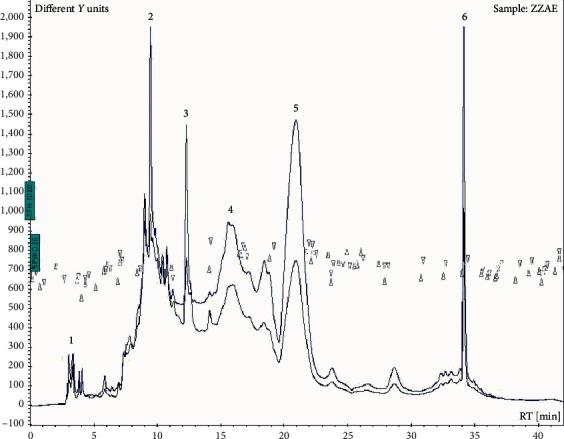
alkaloidal extract (ZZAE) was prepared using Soxhlet and liquid-liquid extraction methods. Subsequently, ZZAE was characterized phytochemically. In the curative method, experimental HCC was established in adult (8-10 weeks old) male Sprague-Dawley rats weighing 150-300 g by twice-daily administration of CCl/olive oil (1 : 1 v/v) (2 mL/kg ). After confirmation of experimental HCC in rats, the rats were randomly reassigned into seven (7) groups of seven (7) rats each and treated daily for 12 weeks as follows: control (normal saline, 5 ml/kg ), model (CCl, 5 ml/kg, ), ZZAE (50, 100, and 200 mg/kg ), carvedilol (6.25 mg/kg ), and 20% Tween20 (1 mL/rat, ). To assess whether ZZAE has a prophylactic (preventive) effect, rats were first treated with ZZAE and later exposed to CCl reconstituted in olive oil.
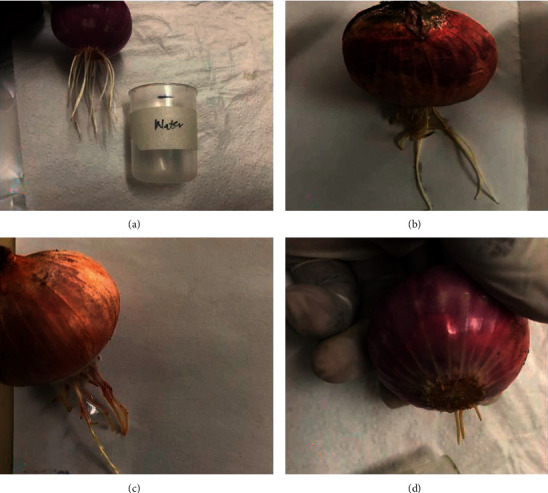
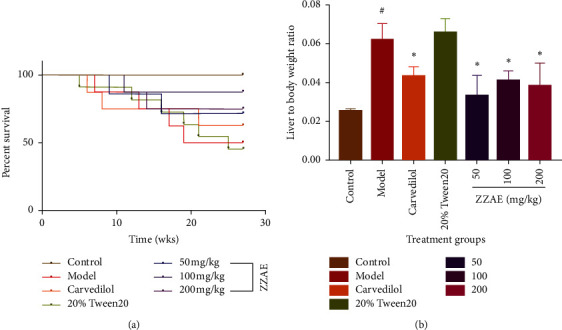
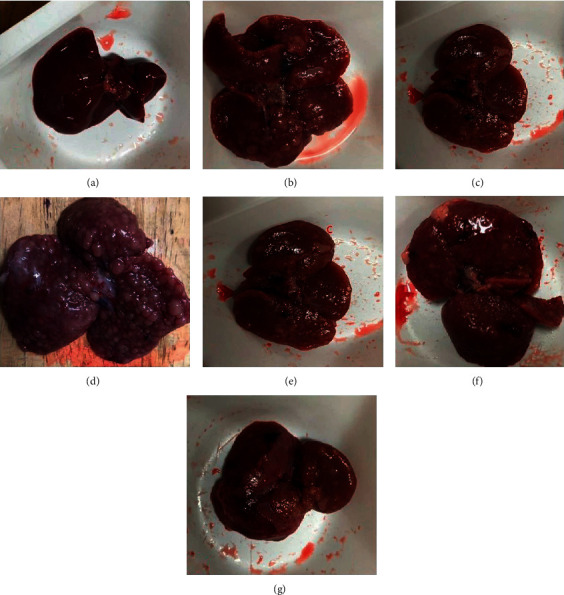
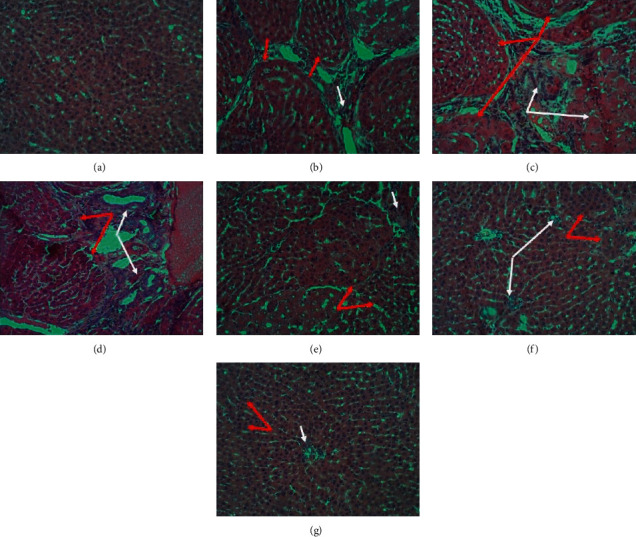
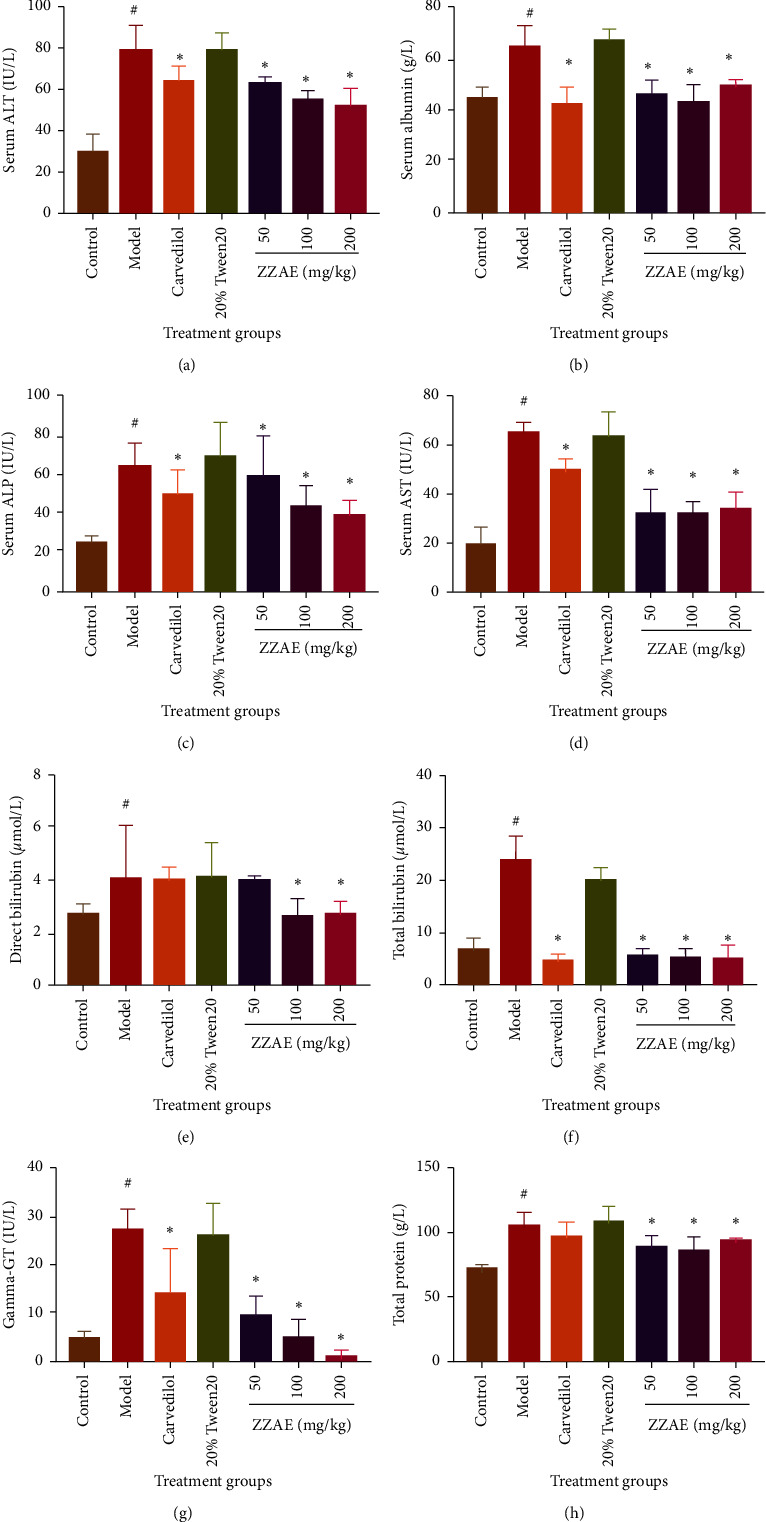
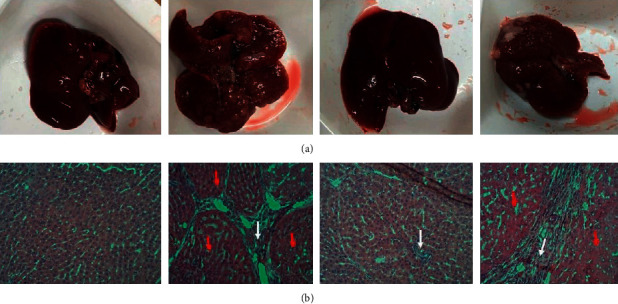
ZZAE (100 and 200 mg/kg) and carvedilol decreased tumor incidence compared to that of control. Compared to control, ZZAE (100 and 200 mg/kg) significantly ( < 0.05) improved serum GGT. Compared to control, ZZAE improved hepatohistological distortions induced by CCl/olive oil and also improved liver/body weight ratio. Compared to water, ZZAE arrested mitosis in the assay.
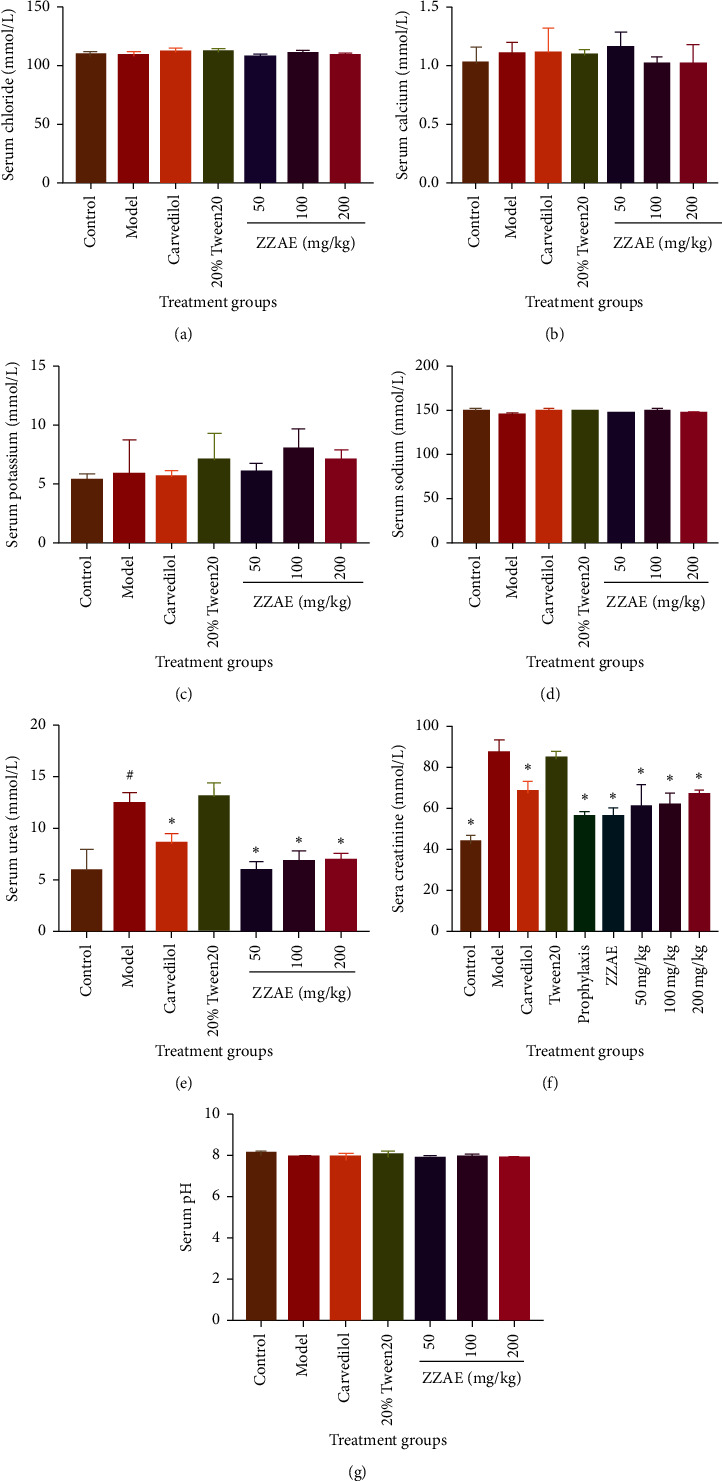
ZZAE ameliorated CCl/olive oil-induced HCC-like phenotype in rats and demonstrated general hepatoprotective effects by improving liver and kidney function markers. This finding rationalizes the need for further studies on ZZAE as a potential source of bioactive anti-HCC compounds.
尽管已将索拉非尼等新型小分子药物用于肝细胞癌(HCC)的治疗,但HCC在全球范围内仍是癌症相关死亡率和发病率的重要因素。长期以来,人们一直怀疑[植物名称未给出]含有抗癌生物活性化合物,这些化合物可能具有辅助治疗炎症相关癌症(如HCC)的前景。
本研究评估了[植物名称未给出]叶的生物碱提取物对四氯化碳/橄榄油(1∶1 v/v)诱导的大鼠HCC样表型的影响。
采用索氏提取法和液-液萃取法制备生物碱提取物(ZZAE)。随后,对ZZAE进行了植物化学表征。在治疗方法中,通过每日两次给予四氯化碳/橄榄油(1∶1 v/v)(2 mL/kg),在体重150 - 300 g的成年(8 - 10周龄)雄性Sprague-Dawley大鼠中建立实验性HCC。在确认大鼠发生实验性HCC后,将大鼠随机重新分为7组,每组7只,每天治疗12周,具体如下:对照组(生理盐水,5 ml/kg)、模型组(四氯化碳,5 ml/kg)、ZZAE组(50、100和200 mg/kg)、卡维地洛组(6.25 mg/kg)和20%吐温20组(1 mL/大鼠)。为评估ZZAE是否具有预防作用,先对大鼠进行ZZAE治疗,随后使其暴露于用橄榄油配制的四氯化碳中。
与对照组相比,ZZAE(100和200 mg/kg)及卡维地洛降低了肿瘤发生率。与对照组相比,ZZAE(100和200 mg/kg)显著(P < 0.05)改善了血清γ-谷氨酰转移酶(GGT)水平。与对照组相比,ZZAE改善了四氯化碳/橄榄油诱导的肝组织学畸变,还改善了肝/体重比。与水相比,ZZAE在[实验未明确给出]试验中使有丝分裂停滞。
ZZAE改善了四氯化碳/橄榄油诱导的大鼠HCC样表型,并通过改善肝肾功能指标显示出一般的肝脏保护作用。这一发现表明有必要进一步研究ZZAE作为生物活性抗HCC化合物潜在来源的可能性。