Department of Medical Physics, Faculty of Medicine, Isfahan University of Medical Science, Isfahan, Hezar Jerib Avenue, Isfahan, Iran.
Department of Medical Physics, Faculty of Medical Science, Isfahan University of Medical Science, Isfahan, Hezar Jerib Street, Isfahan, Iran.
Biomed Res Int. 2021 Jul 29;2021:6647497. doi: 10.1155/2021/6647497. eCollection 2021.
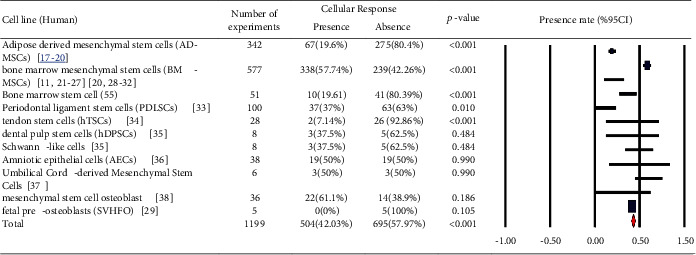
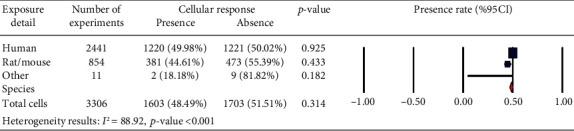
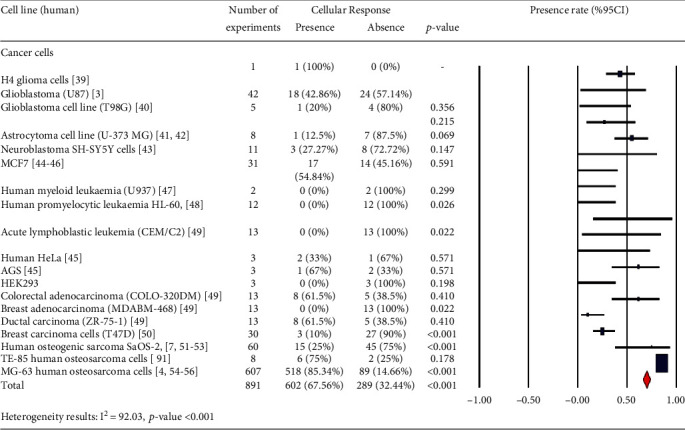
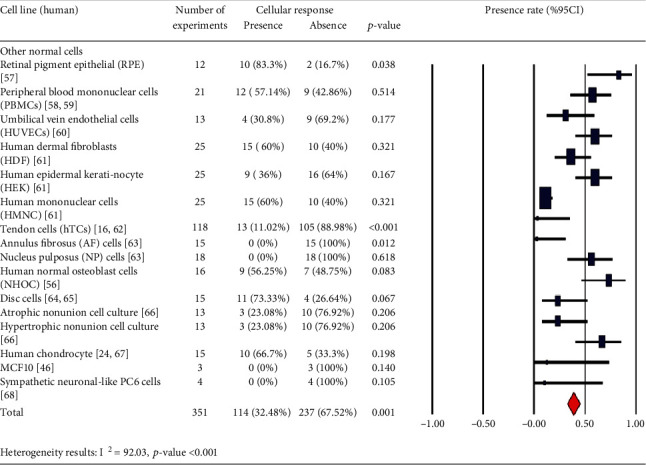
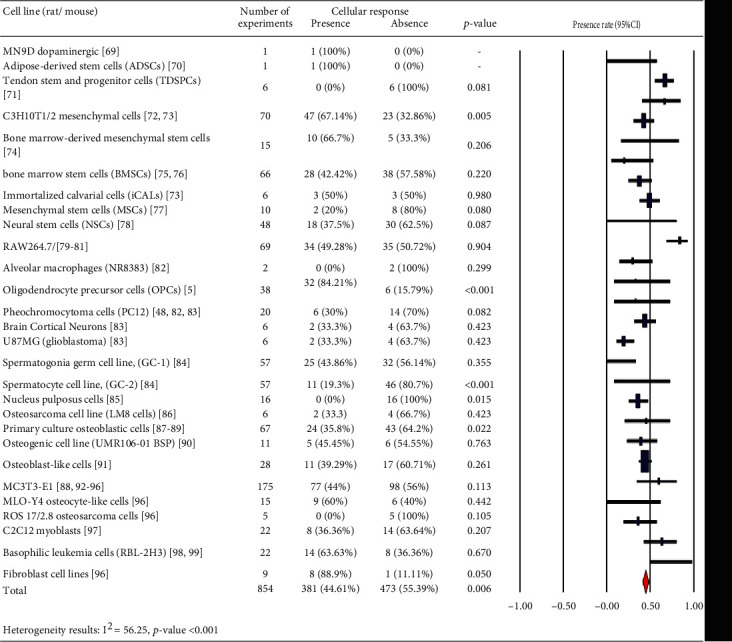
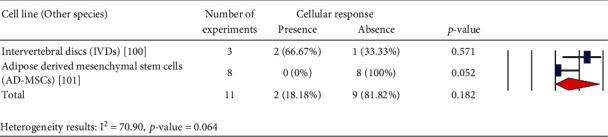
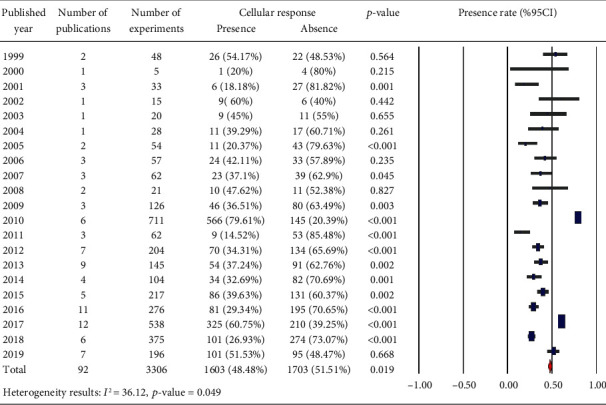
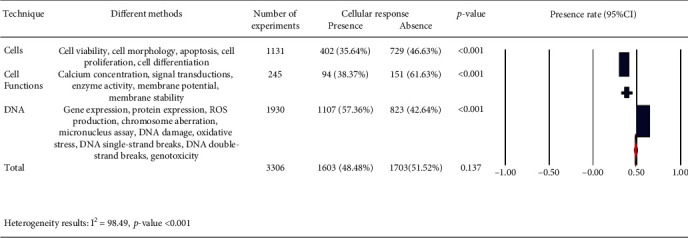
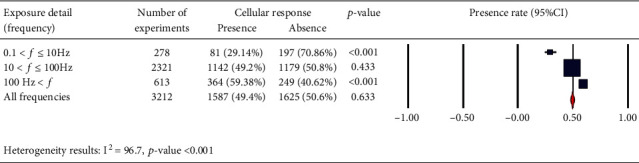
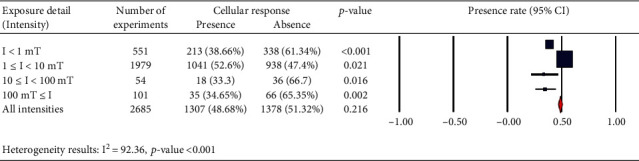
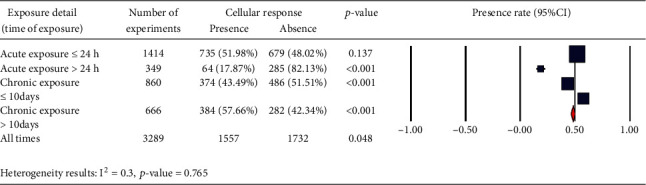
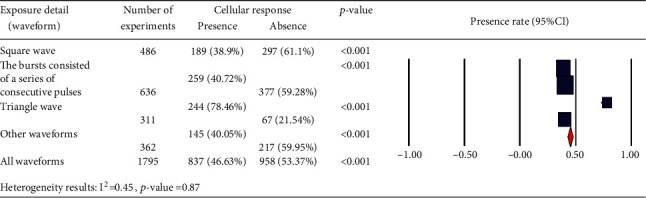
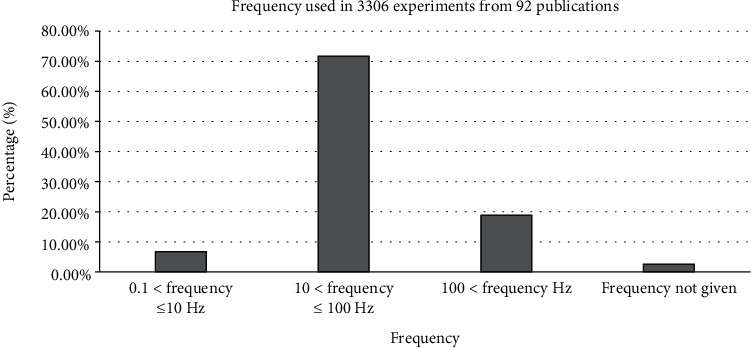
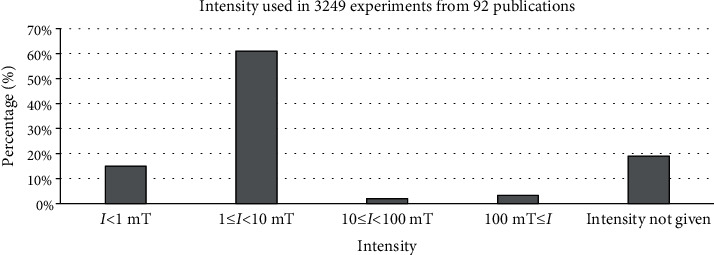
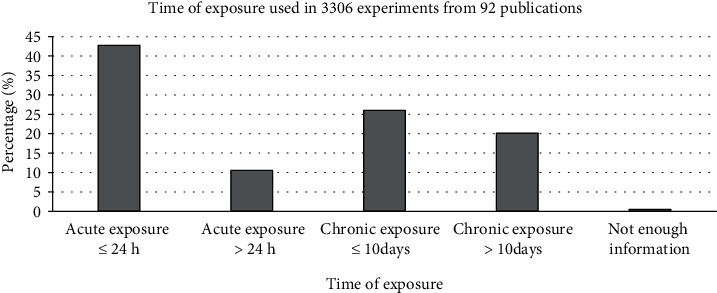
Pulsed electromagnetic field (PEMF) therapy is a type of physical stimulation that affects biological systems by producing interfering or coherent fields. Given that cell types are significantly distinct, which represents an important factor in stimulation, and that PEMFs can have different effects in terms of frequency and intensity, time of exposure, and waveform. This study is aimed at investigating if distinct positive and negative responses would correspond to specific characteristics of cells, frequency and flux density, time of exposure, and waveform. Necessary data were abstracted from the experimental observations of cell-based in vitro models. The observations were obtained from 92 publications between the years 1999 and 2019, which are available on PubMed and Web of Science databases. From each of the included studies, type of cells, pulse frequency of exposure, exposure flux density, and assayed cell responses were extracted. According to the obtained data, most of the experiments were carried out on human cells, and out of 2421 human cell experiments, cell changes were observed only in 51.05% of the data. In addition, the results pointed out the potential effects of PEMFs on some human cell types such as MG-63 human osteosarcoma cells ( value < 0.001) and bone marrow mesenchymal stem cells. However, human osteogenic sarcoma SaOS-2 ( < 0.001) and human adipose-derived mesenchymal stem cells (AD-MSCs) showed less sensitivity to PEMFs. Nevertheless, the evidence suggests that frequencies higher than 100 Hz, flux densities between 1 and 10 mT, and chronic exposure more than 10 days would be more effective in establishing a cellular response. This study successfully reported useful information about the role of cell type and signal characteristic parameters, which were of high importance for targeted therapies using PEMFs. Our findings would provide a deeper understanding about the effect of PEMFs in vitro, which could be useful as a reference for many in vivo experiments or preclinical trials.
脉冲电磁场(PEMF)治疗是一种通过产生干扰或相干场来影响生物系统的物理刺激类型。鉴于细胞类型明显不同,这是刺激的一个重要因素,而且 PEMF 可以在频率和强度、暴露时间和波形方面产生不同的影响。这项研究旨在研究是否不同的正、负反应对应于细胞的特定特征、频率和通量密度、暴露时间和波形。必要的数据是从基于细胞的体外模型的实验观察中提取的。这些观察结果来自于 1999 年至 2019 年期间在 PubMed 和 Web of Science 数据库中可用的 92 篇出版物。从每一项纳入的研究中,提取了细胞类型、暴露脉冲频率、暴露通量密度和测定的细胞反应。根据获得的数据,大多数实验都是在人类细胞上进行的,在 2421 个人类细胞实验中,只有 51.05%的数据观察到了细胞变化。此外,结果指出了 PEMF 对一些人类细胞类型的潜在影响,例如 MG-63 人骨肉瘤细胞(<0.001)和骨髓间充质干细胞。然而,人类成骨肉瘤 SaOS-2(<0.001)和人脂肪间充质干细胞(AD-MSCs)对 PEMF 的敏感性较低。然而,有证据表明,频率高于 100 Hz、通量密度在 1 至 10 mT 之间以及慢性暴露超过 10 天将更有效地建立细胞反应。这项研究成功地报告了有关细胞类型和信号特征参数作用的有用信息,这些信息对于使用 PEMF 的靶向治疗非常重要。我们的发现将提供对体外 PEMF 效应的更深入了解,这可以作为许多体内实验或临床前试验的参考。