Department of Neurosurgery, Stanford University School of Medicine, Stanford, CA, USA.
Department of Medicine, Stanford University School of Medicine, Stanford, CA, USA.
Nat Biomed Eng. 2021 Aug;5(8):847-863. doi: 10.1038/s41551-021-00744-7. Epub 2021 Aug 12.
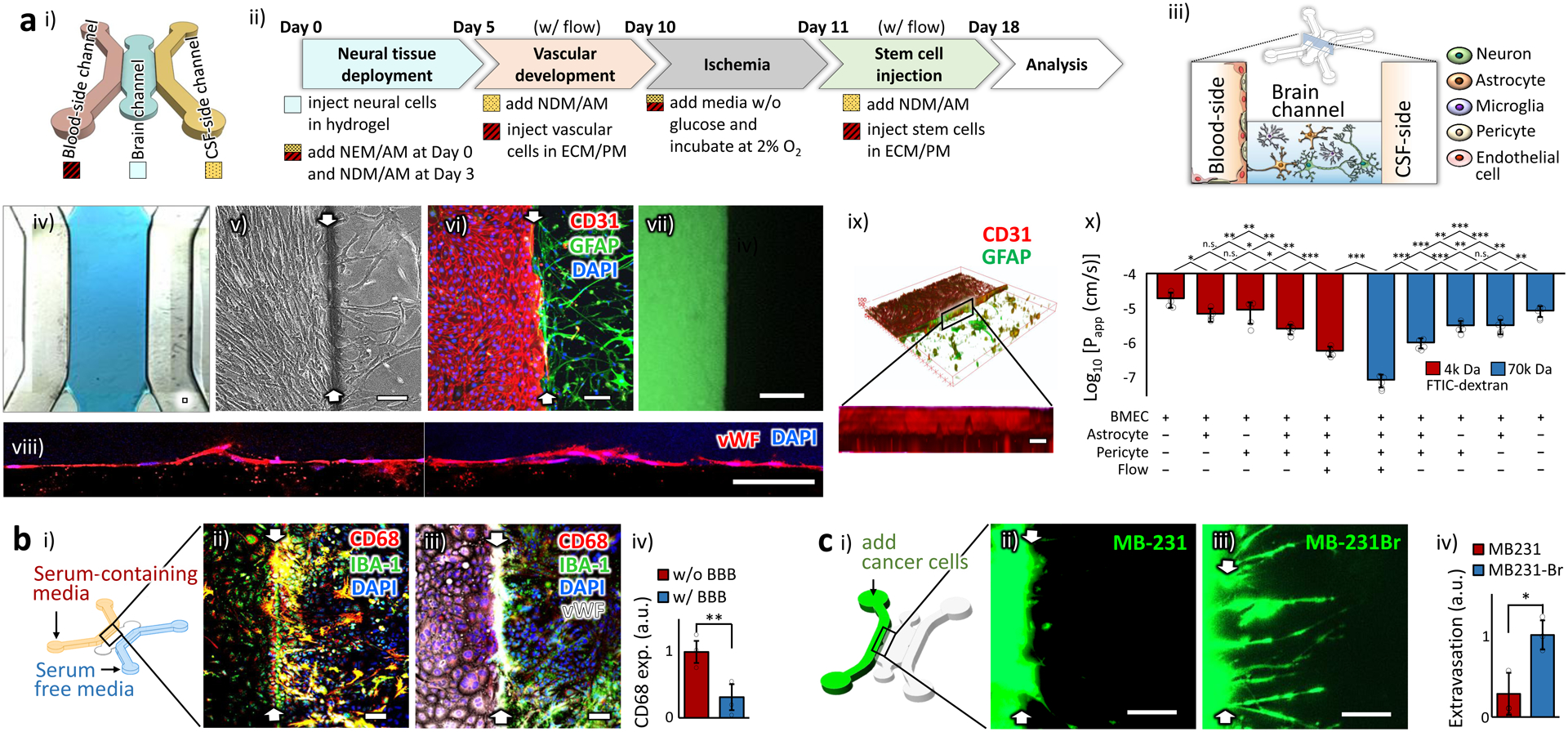
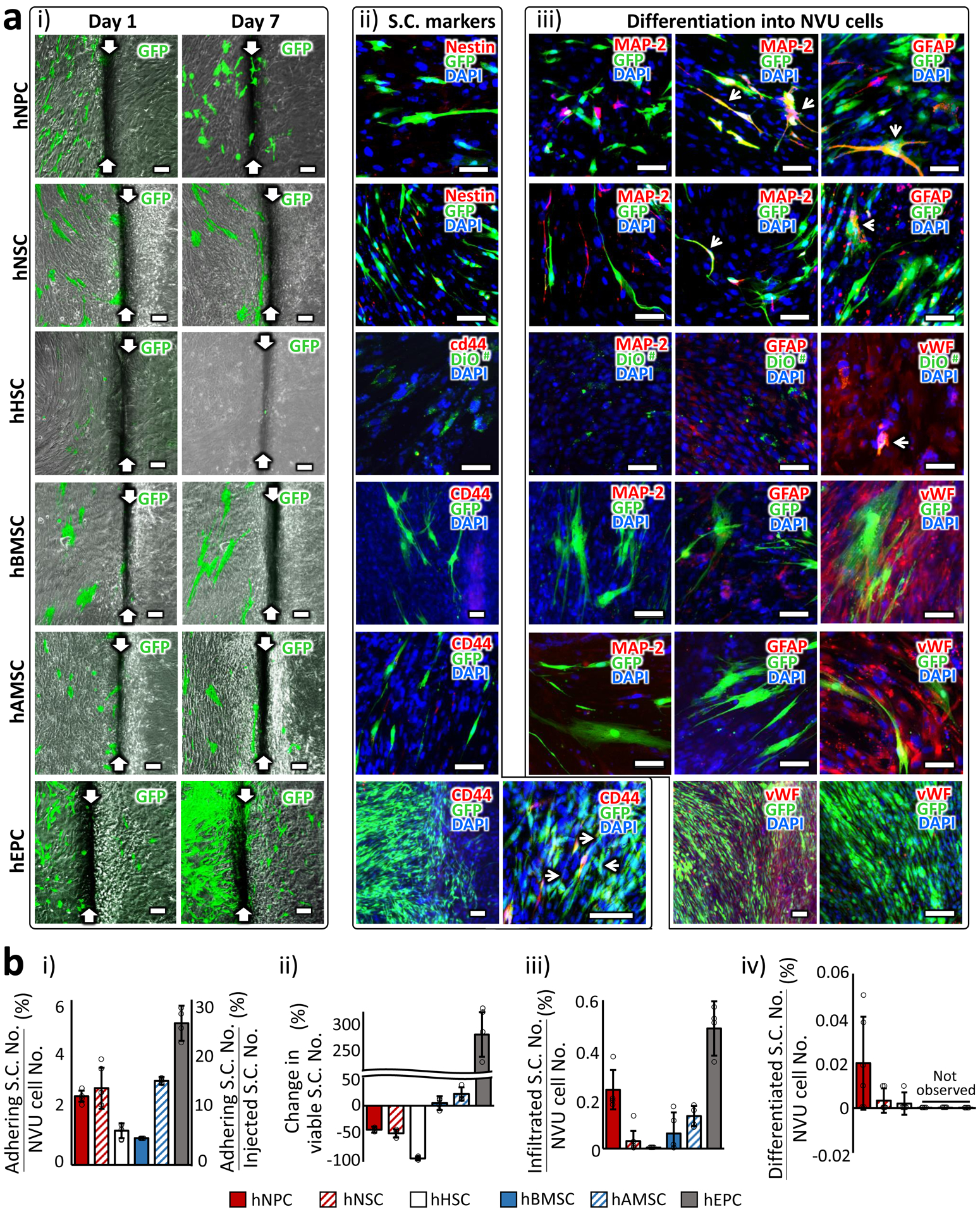
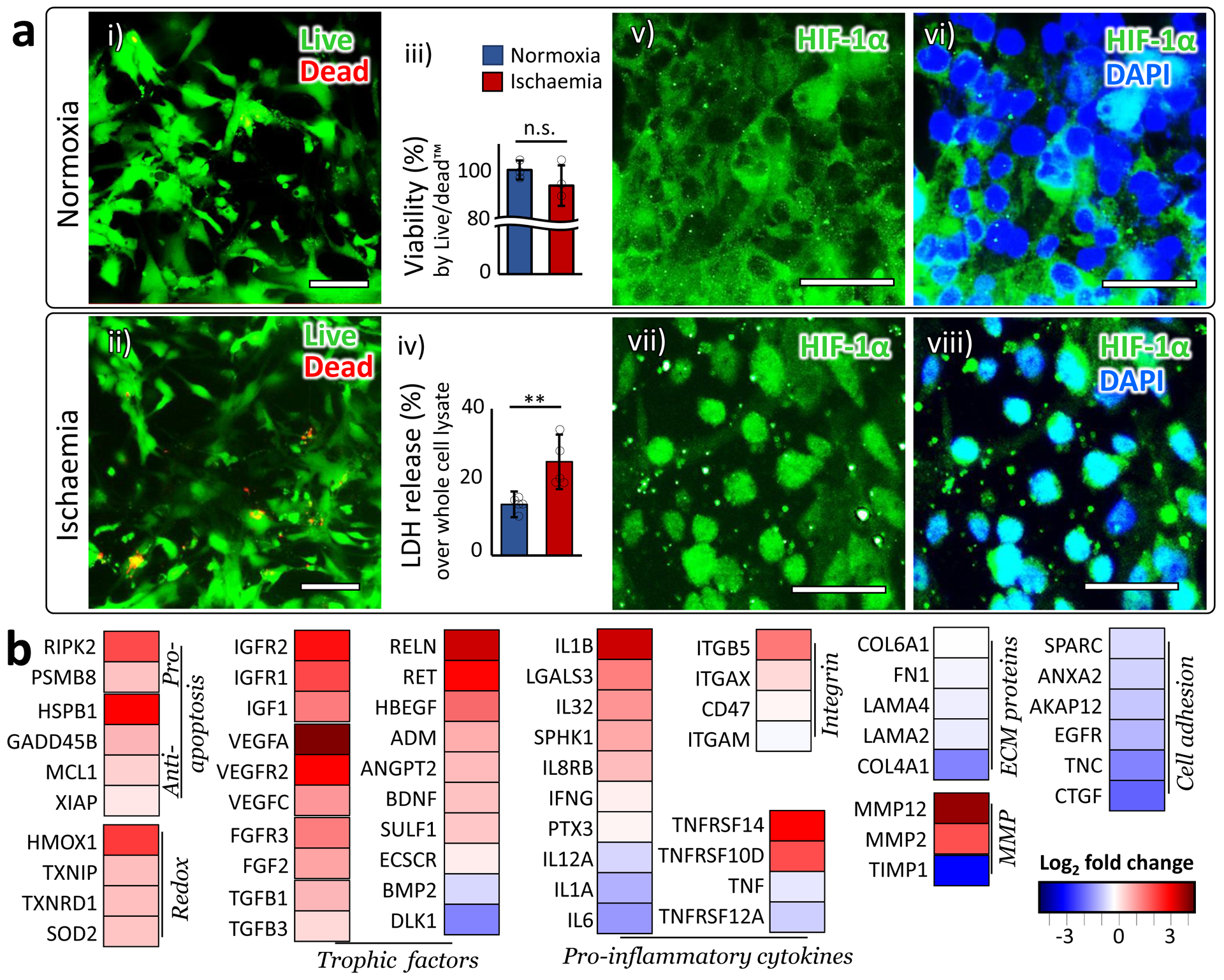
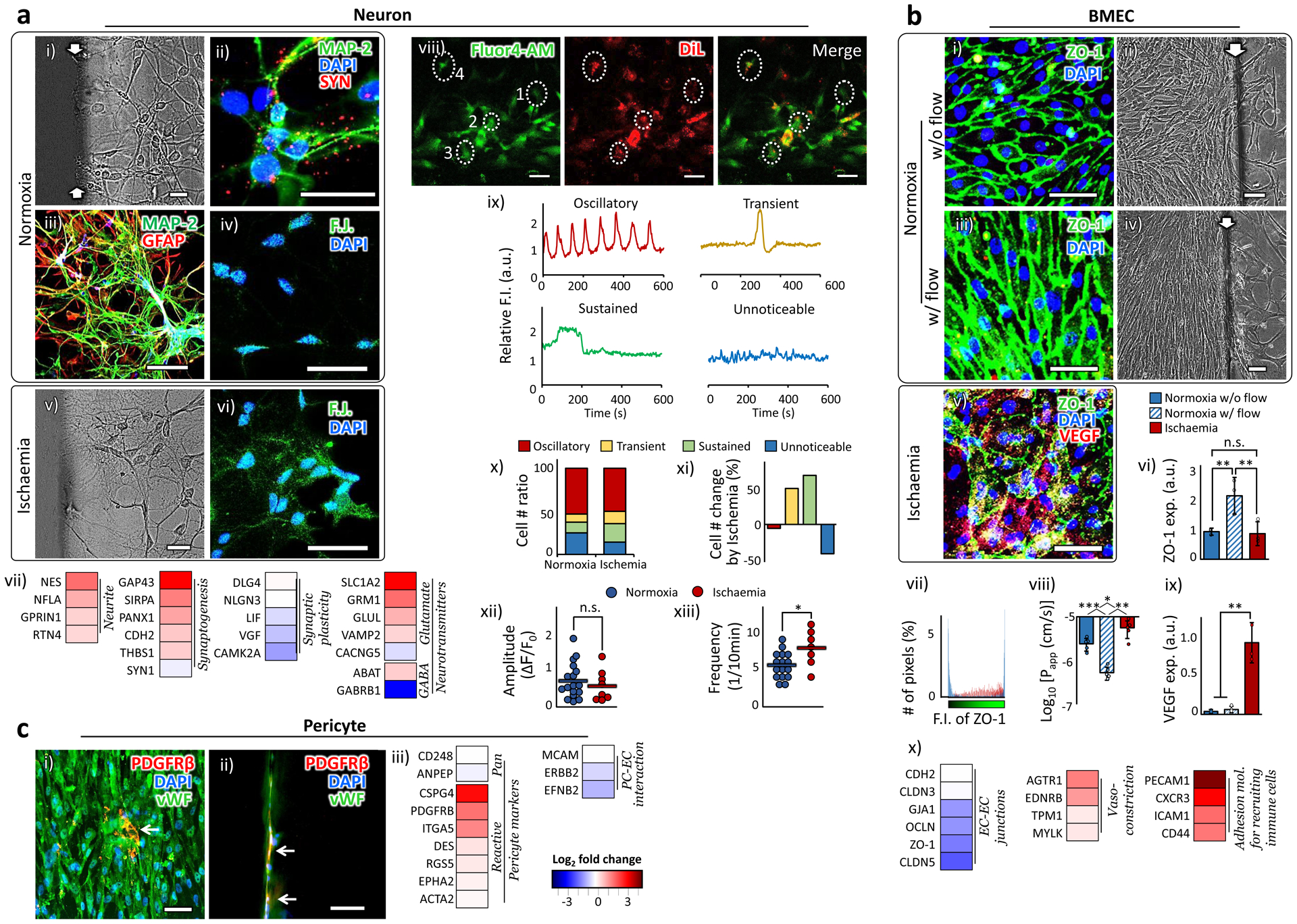
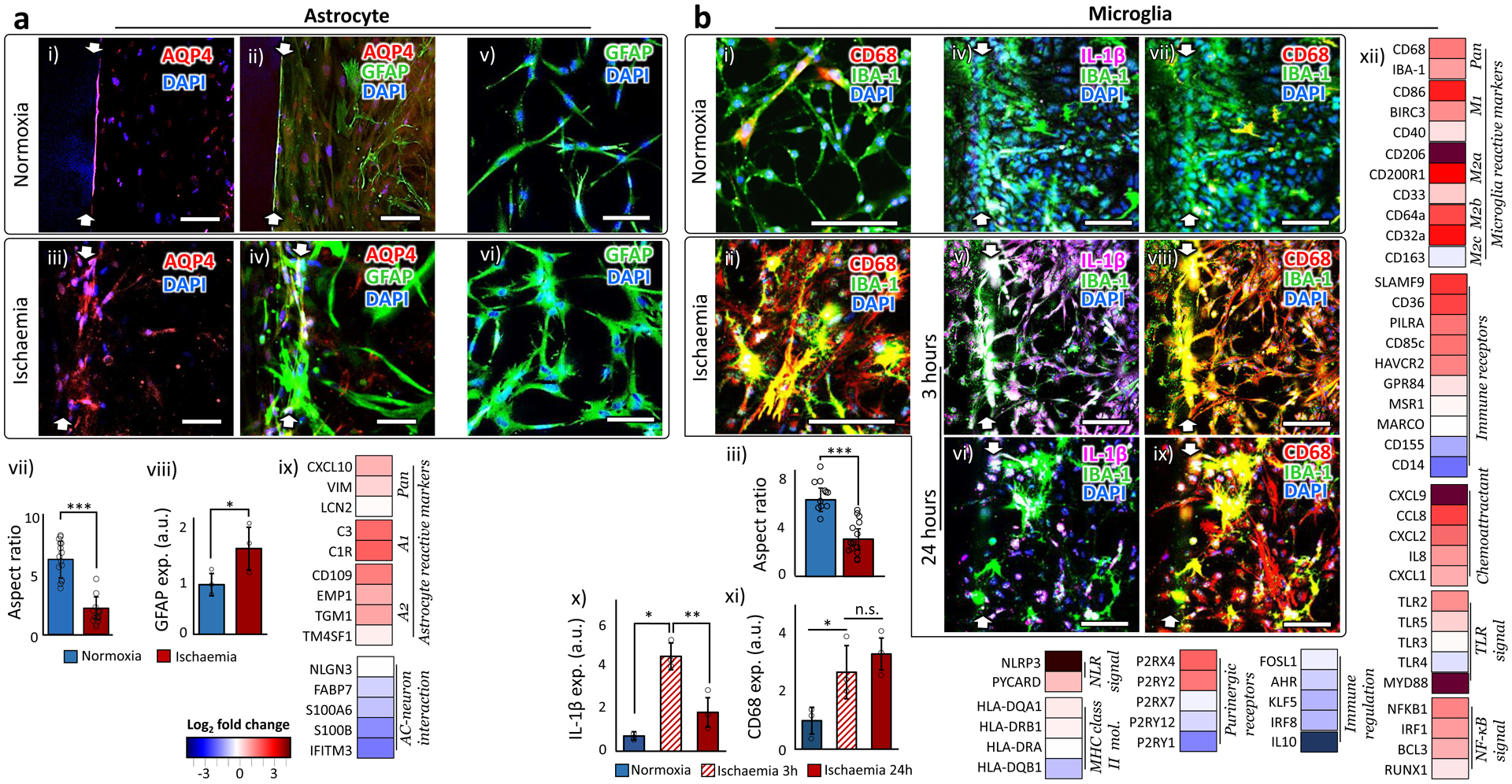
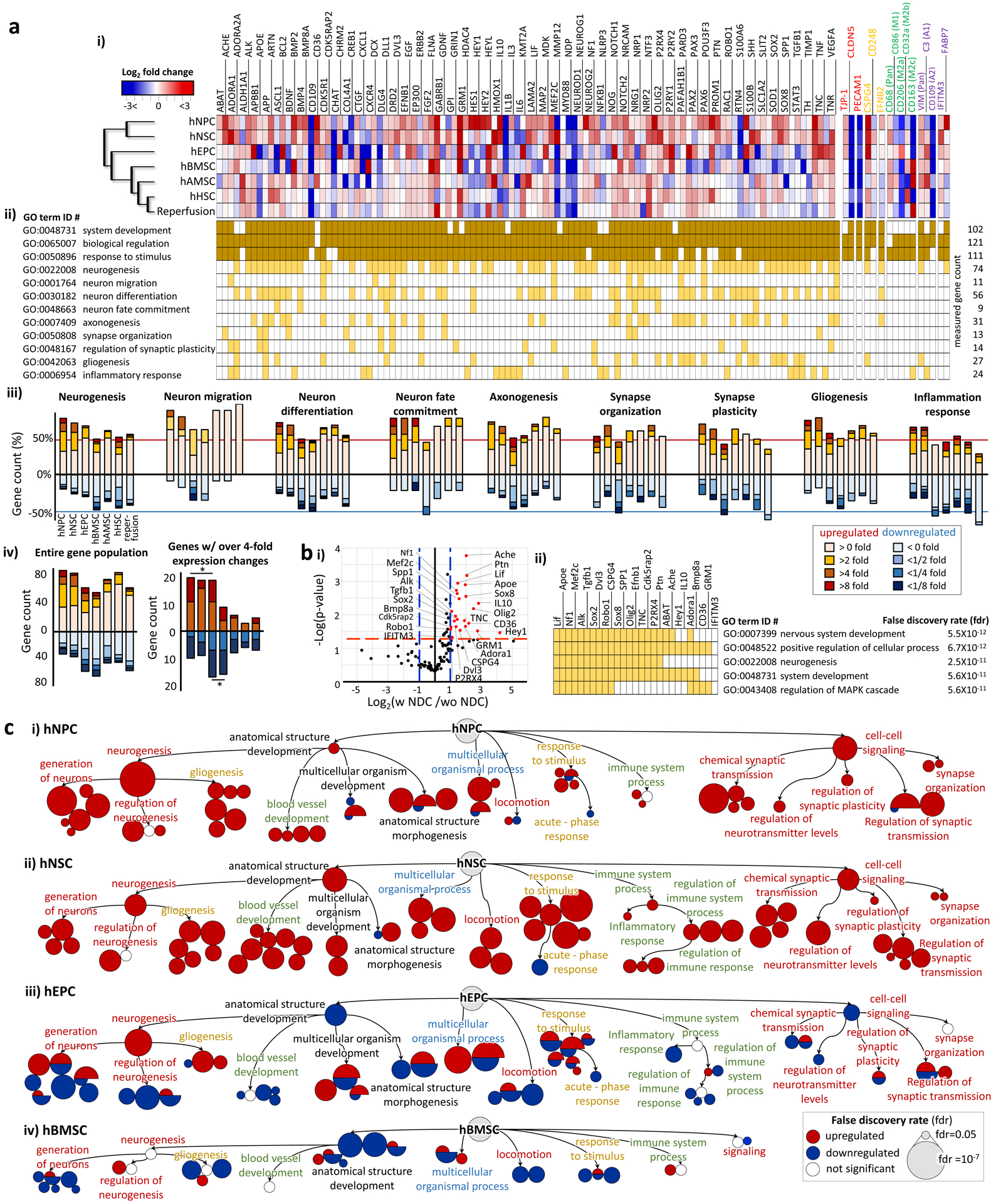
The therapeutic efficacy of stem cells transplanted into an ischaemic brain depends primarily on the responses of the neurovascular unit. Here, we report the development and applicability of a functional neurovascular unit on a microfluidic chip as a microphysiological model of ischaemic stroke that recapitulates the function of the blood-brain barrier as well as interactions between therapeutic stem cells and host cells (human brain microvascular endothelial cells, pericytes, astrocytes, microglia and neurons). We used the model to track the infiltration of a number of candidate stem cells and to characterize the expression levels of genes associated with post-stroke pathologies. We observed that each type of stem cell showed unique neurorestorative effects, primarily by supporting endogenous recovery rather than through direct cell replacement, and that the recovery of synaptic activities is correlated with the recovery of the structural and functional integrity of the neurovascular unit rather than with the regeneration of neurons.
移植到缺血性大脑中的干细胞的治疗效果主要取决于神经血管单元的反应。在这里,我们报告了一种功能神经血管单元在微流控芯片上的开发和适用性,作为缺血性中风的微生理模型,该模型再现了血脑屏障的功能以及治疗性干细胞与宿主细胞(人脑微血管内皮细胞、周细胞、星形胶质细胞、小胶质细胞和神经元)之间的相互作用。我们使用该模型来跟踪多种候选干细胞的浸润,并对与中风后病理相关的基因表达水平进行了表征。我们观察到,每种类型的干细胞都表现出独特的神经修复作用,主要是通过支持内源性恢复,而不是通过直接细胞替代,并且突触活动的恢复与神经血管单元的结构和功能完整性的恢复相关,而不是与神经元的再生相关。