Aminifard Tahereh, Razavi Bibi Marjan, Hosseinzadeh Hossein
Department of Pharmacodynamics and Toxicology School of Pharmacy Mashhad University of Medical Sciences Mashhad Iran.
Targeted Drug Delivery Research Center Pharmaceutical Technology Institute Mashhad University of Medical Sciences Mashhad Iran.
Food Sci Nutr. 2021 Jul 20;9(9):5293-5311. doi: 10.1002/fsn3.2475. eCollection 2021 Sep.
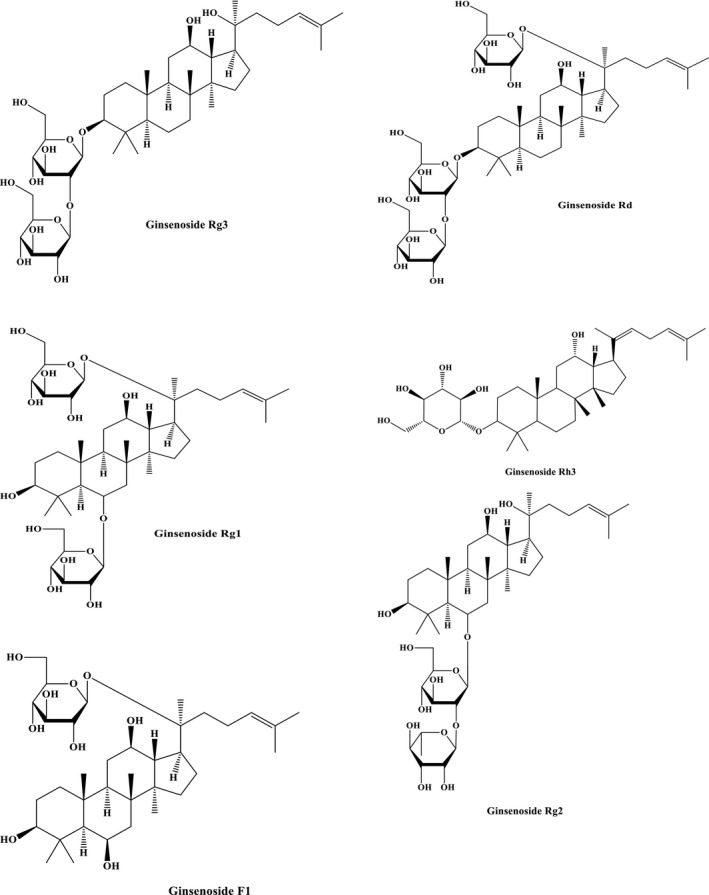
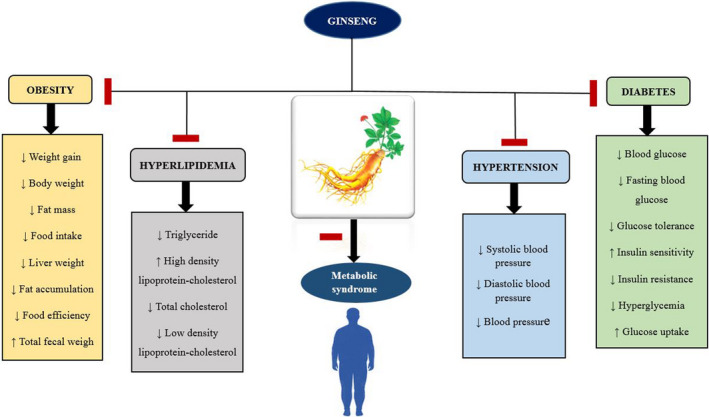
Metabolic syndrome is a group of risk factors including high blood glucose, dyslipidemia, high blood pressure, and high body weight. It can increase the risk of diabetes and cardiovascular disorders, which are the important reasons for death around the world. Nowadays, there are numerous demands for herbal medicine because of less harmful effects and more useful effects in comparison with chemical options. Ginseng is one of the most famous herbs used as a drug for a variety of disorders in humans. The antihyperlipidemia, antihypertension, antihyperglycemic, and anti-obesity effects of ginseng and its active constituents such as ginsenosides have been shown in different studies. In this review article, the different in vitro, in vivo, and human studies concerning the effects of ginseng and its active constituents in metabolic syndrome have been summarized. According to these studies, ginseng can control metabolic syndrome and related diseases.
代谢综合征是一组危险因素,包括高血糖、血脂异常、高血压和高体重。它会增加患糖尿病和心血管疾病的风险,而这两种疾病是全球范围内重要的死亡原因。如今,由于与化学药物相比副作用较小且疗效更多,人们对草药的需求众多。人参是最著名的草药之一,被用作治疗人类多种疾病的药物。人参及其活性成分(如人参皂苷)的降血脂、降血压、降血糖和抗肥胖作用已在不同研究中得到证实。在这篇综述文章中,总结了关于人参及其活性成分对代谢综合征影响的不同体外、体内和人体研究。根据这些研究,人参可以控制代谢综合征及相关疾病。