Faculty of Medicine and Dentistry, University of Alberta, Edmonton, Alberta, Canada.
Faculty of Medicine and Dentistry, University of Alberta, Edmonton, Alberta, Canada.
Int Dent J. 2022 Feb;72(1):37-51. doi: 10.1016/j.identj.2021.07.006. Epub 2021 Sep 24.
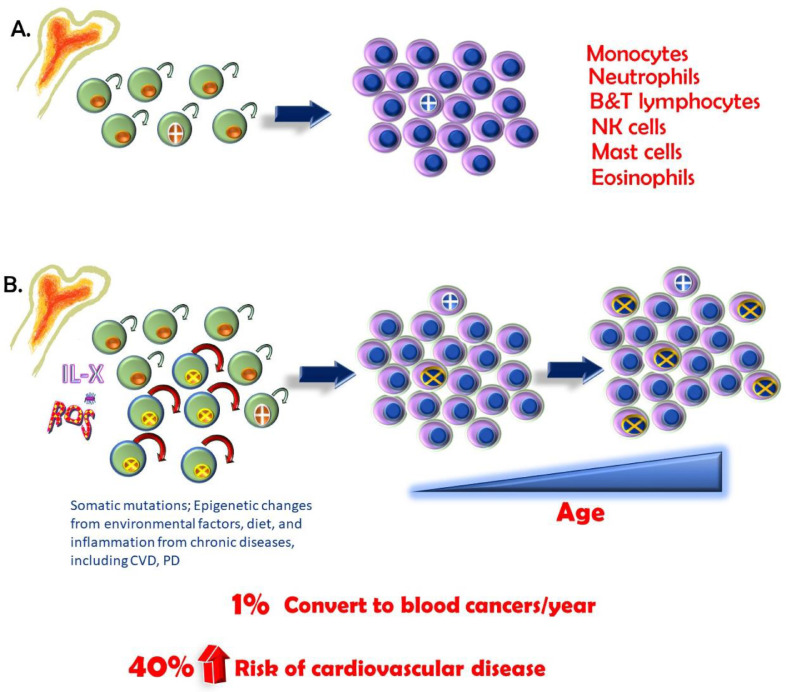
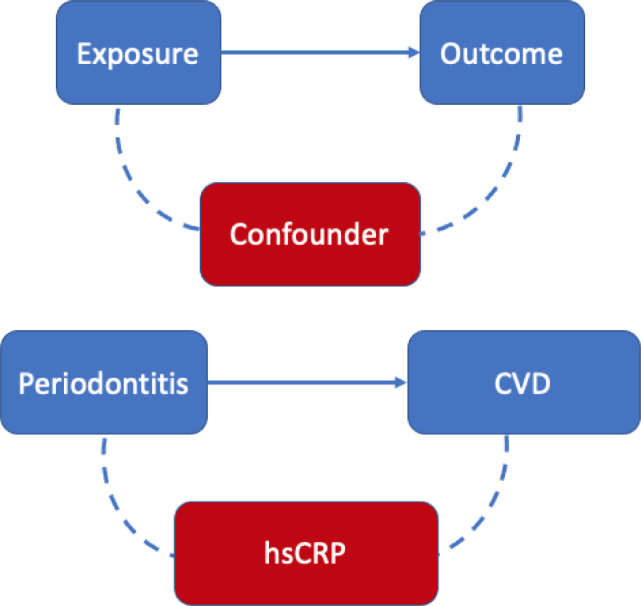
There is substantial evidence in support of an association between periodontitis and cardiovascular disease. The most important open question related to this association is causality. This article revisits the question of causality by reviewing intervention studies and systematic reviews and meta analyses published in the last 3 years. Where are we now in answering this question? Whilst systematic reviews and epidemiological studies continue to support an association between the diseases, intervention studies fall short in determining causality. There is a dearth of good-quality, blinded randomised control trials with cardiovascular disease outcomes. Most studies use surrogate markers/biomarkers for endpoints, and this is problematic as they may not be reflective of cardiovascular disease status. This review further highlights another issue with surrogate markers/biomarkers: the potential for collider bias. Ethical considerations surrounding nontreatment have led to calls for a well-annotated database containing in-depth dental health data. Finally, a relatively new and important risk factor for cardiovascular disease, clonal haematopoiesis of indeterminate potential, is discussed. Clonal haematopoiesis of indeterminate potential increases cardiovascular risk by more than 40%, and inflammation is a contributing factor. The impact of periodontal disease on this emerging risk factor has yet to be explored. Although the question of causality in the association between periodontal disease and cardiovascular disease remains unanswered, the importance of good oral health in maintaining good heart health is reiterated.
有大量证据支持牙周炎与心血管疾病之间存在关联。与这种关联相关的最重要的开放性问题是因果关系。本文通过回顾过去 3 年发表的干预研究和系统评价及荟萃分析,重新探讨了因果关系的问题。我们现在对这个问题的回答到了哪一步?虽然系统评价和流行病学研究继续支持这两种疾病之间存在关联,但干预研究在确定因果关系方面存在不足。缺乏高质量、盲法随机对照试验,且这些试验的心血管疾病结局。大多数研究使用替代标志物/生物标志物作为终点,这存在问题,因为它们可能无法反映心血管疾病的状况。这篇综述进一步强调了替代标志物/生物标志物的另一个问题:可能存在混杂偏倚。非治疗的伦理问题导致人们呼吁建立一个包含详细口腔健康数据的注释良好的数据库。最后,还讨论了心血管疾病的一个相对较新且重要的危险因素——不确定潜能的克隆性造血。不确定潜能的克隆性造血使心血管风险增加超过 40%,炎症是一个促成因素。牙周病对这一新兴危险因素的影响尚未得到探索。尽管牙周炎与心血管疾病之间关联的因果关系问题仍未得到解答,但良好的口腔健康对保持良好的心脏健康的重要性再次得到强调。