Department of Gastroenterology and Hepatology, Linkou Chang Gung Memorial Hospital and Chang Gung University College of Medicine, No. 5, Fuxing St., Guishan Dist., Taoyuan City 333, Taiwan.
Department of Computer Science and Information Engineering, Fu-Jen Catholic University, 510 Chung Cheng Rd., Hsinchuang Dist., New Taipei City 242, Taiwan.
Sensors (Basel). 2021 Sep 7;21(18):5995. doi: 10.3390/s21185995.
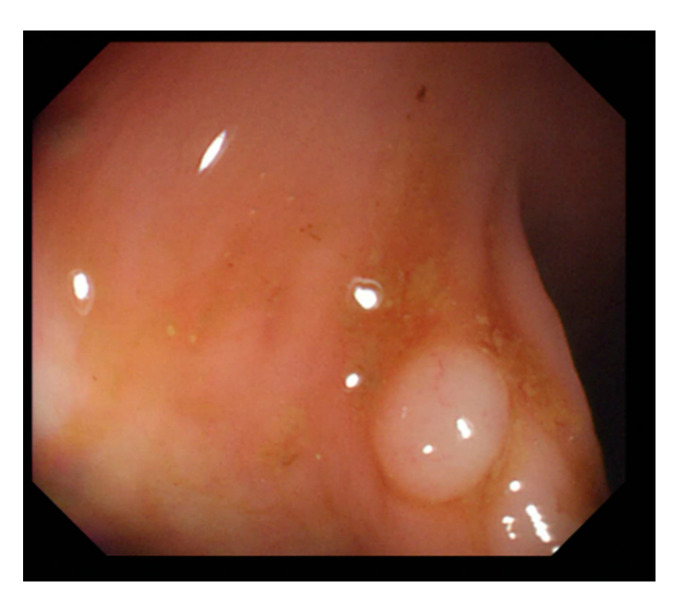
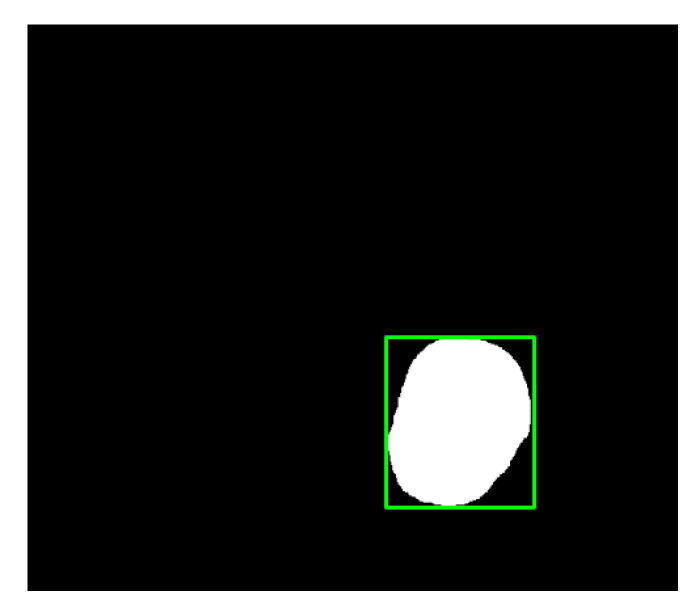
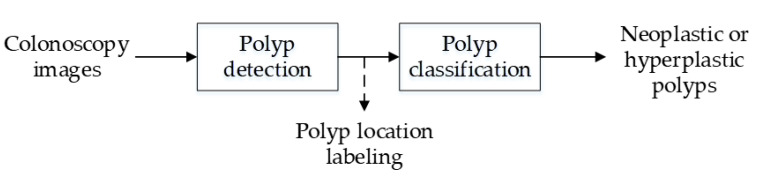
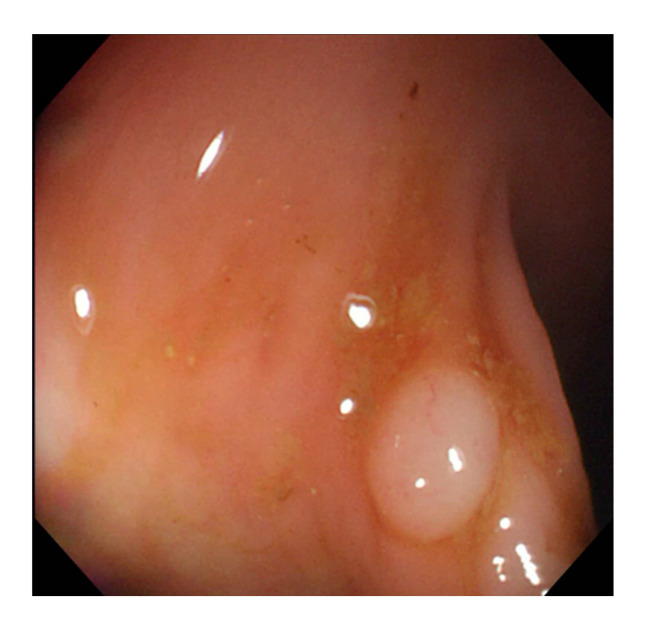
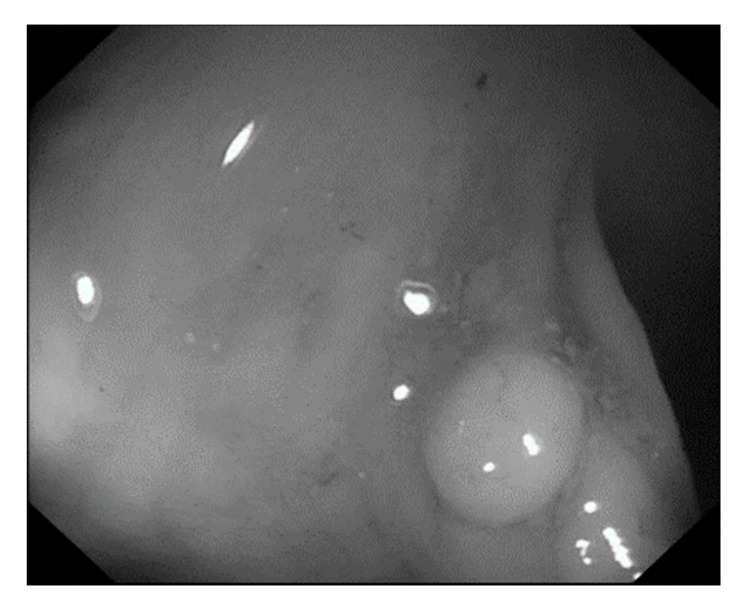
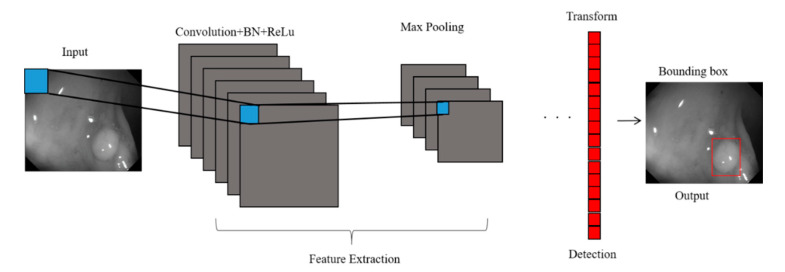
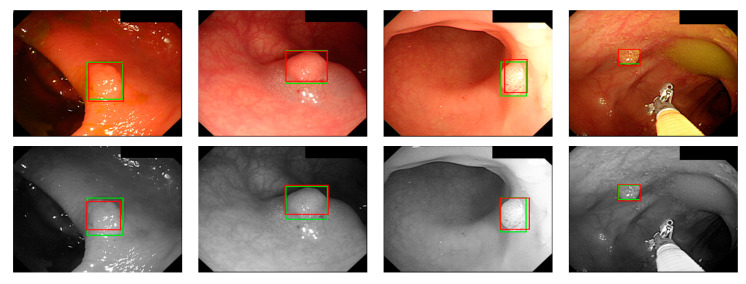
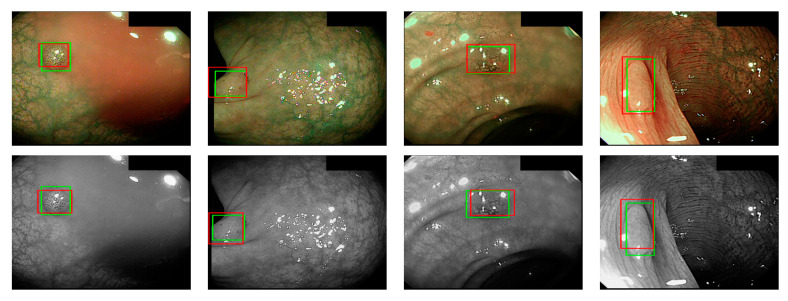
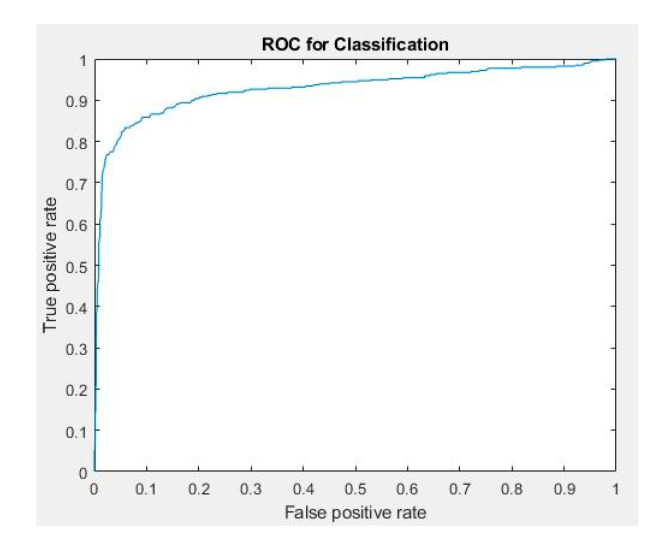
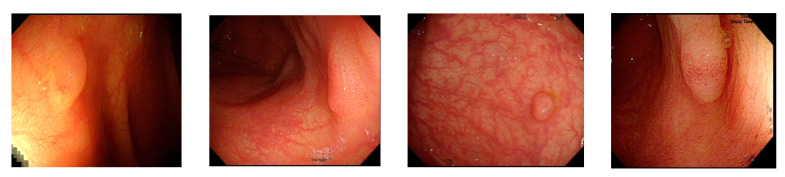
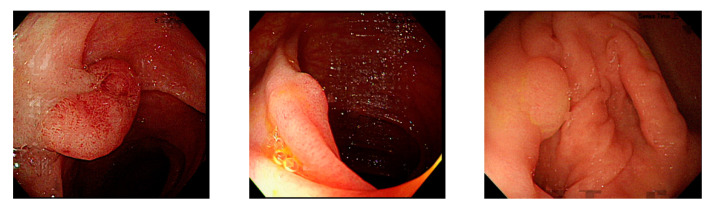
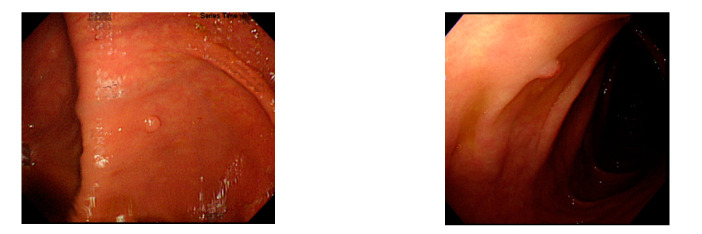
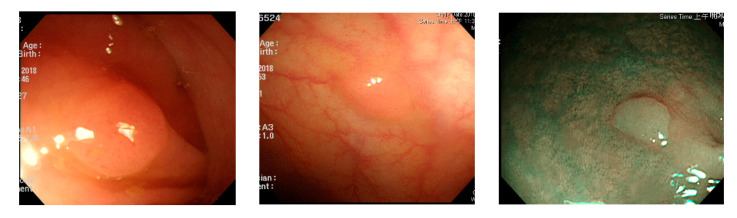
Colonoscopy screening and colonoscopic polypectomy can decrease the incidence and mortality rate of colorectal cancer (CRC). The adenoma detection rate and accuracy of diagnosis of colorectal polyp which vary in different experienced endoscopists have impact on the colonoscopy protection effect of CRC. The work proposed a colorectal polyp image detection and classification system through grayscale images and deep learning. The system collected the data of CVC-Clinic and 1000 colorectal polyp images of Linkou Chang Gung Medical Hospital. The red-green-blue (RGB) images were transformed to 0 to 255 grayscale images. Polyp detection and classification were performed by convolutional neural network (CNN) model. Data for polyp detection was divided into five groups and tested by 5-fold validation. The accuracy of polyp detection was 95.1% for grayscale images which is higher than 94.1% for RGB and narrow-band images. The diagnostic accuracy, precision and recall rates were 82.8%, 82.5% and 95.2% for narrow-band images, respectively. The experimental results show that grayscale images achieve an equivalent or even higher accuracy of polyp detection than RGB images for lightweight computation. It is also found that the accuracy of polyp detection and classification is dramatically decrease when the size of polyp images small than 1600 pixels. It is recommended that clinicians could adjust the distance between the lens and polyps appropriately to enhance the system performance when conducting computer-assisted colorectal polyp analysis.
结肠镜筛查和结肠镜息肉切除术可以降低结直肠癌(CRC)的发病率和死亡率。不同经验内镜医生的腺瘤检出率和结直肠息肉诊断准确性对 CRC 的结肠镜保护效果有影响。该研究通过灰度图像和深度学习提出了一种结直肠息肉图像检测和分类系统。该系统收集了 CVC-Clinic 的数据和 1000 张林口长庚纪念医院的结直肠息肉图像。将红-绿-蓝(RGB)图像转换为 0 到 255 的灰度图像。通过卷积神经网络(CNN)模型进行息肉检测和分类。将息肉检测数据分为五组,通过五折验证进行测试。灰度图像的息肉检测准确率为 95.1%,高于 RGB 和窄带图像的 94.1%。窄带图像的诊断准确率、精确率和召回率分别为 82.8%、82.5%和 95.2%。实验结果表明,对于轻量级计算,灰度图像在息肉检测方面的准确性与 RGB 图像相当,甚至更高。还发现,当息肉图像的大小小于 1600 像素时,息肉检测和分类的准确性会显著下降。建议临床医生在进行计算机辅助结直肠息肉分析时,适当调整镜头和息肉之间的距离,以提高系统性能。