Centre for Empirical Research in Economics and Behavioural Science (CEREB), University of Erfurt, Erfurt, Germany.
Media and Communication Science, University of Erfurt, Erfurt, Germany.
Eur J Med Res. 2021 Sep 28;26(1):116. doi: 10.1186/s40001-021-00584-w.
Pregnant women are at high risk for severe influenza. However, maternal influenza vaccination uptake in most World Health Organization (WHO) European Region countries remains low, despite the presence of widespread national recommendations. An influenza vaccination reduces influenza-associated morbidity and mortality in pregnancy, as well as providing newborns with protection in their first months. Potential determinants of vaccine hesitancy need to be identified to develop strategies that can increase vaccine acceptance and uptake among pregnant women. The primary objective of the systematic review is to identify the individual determinants of influenza vaccine hesitancy among pregnant women in Europe, and how to overcome the hesitancy.
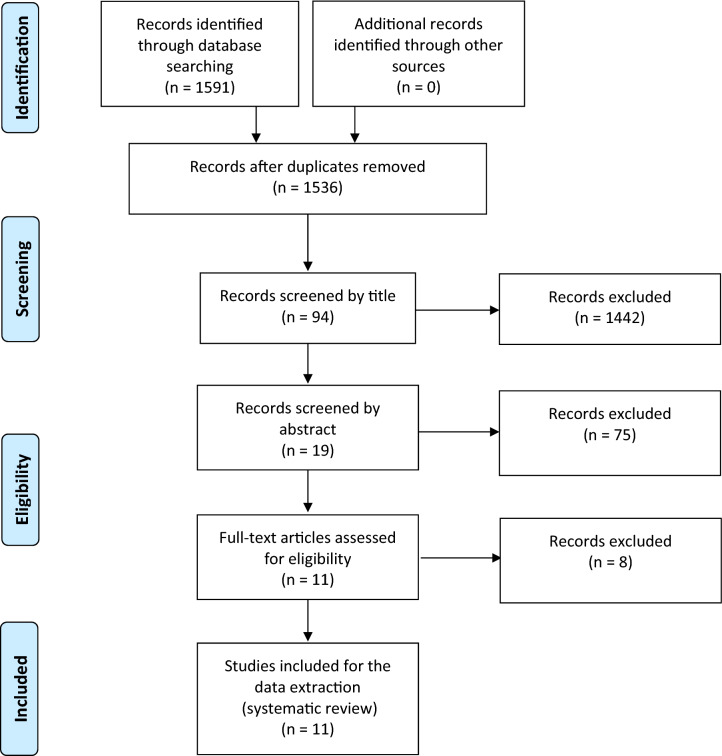
Databases were searched for peer-reviewed qualitative and quantitative studies published between 2009 and 2019 inclusive. Databases included PubMed via MEDLINE, Cochrane Central Register for Controlled Trials, PsycINFO, SAGE Journals, Taylor and Francis and Springer nature. These covered themes including psychology, medicine, and public health. Following the Preferred Reporting Items for Systematic Reviews and Meta-Analyses (PRISMA) approach, 11 studies were eligible and analyzed for significant determinants of influenza vaccine hesitancy among pregnant women in Europe.
The most commonly reported factors were psychological aspects, for example concerns about safety and risks to mother and child, or general low risk perception of becoming ill from influenza. Doubts about the effectiveness of the vaccine and a lack of knowledge about this topic were further factors. There was also influence of contextual factors, such as healthcare workers not providing adequate knowledge about the influenza vaccine or the pregnant lady stating their antivaccine sentiment.
Health promotion that specifically increases knowledge among pregnant women about influenza and vaccination is important, supporting a valid risk judgment by the pregnant lady. The development of new information strategies for dialogue between healthcare providers and pregnant women should form part of this strategy.
孕妇患严重流感的风险很高。然而,尽管世界卫生组织(世卫组织)欧洲区域大多数国家都有广泛的国家建议,但孕妇流感疫苗接种率仍然很低。流感疫苗接种可降低孕妇流感相关发病率和死亡率,并为新生儿在头几个月提供保护。需要确定疫苗犹豫的潜在决定因素,以制定能够提高孕妇疫苗接种接受度和接种率的策略。系统评价的主要目的是确定欧洲孕妇对流感疫苗犹豫的个体决定因素,以及如何克服这种犹豫。
在 2009 年至 2019 年期间,在同行评议的定性和定量研究数据库中搜索了数据库。数据库包括 PubMed 通过 MEDLINE、Cochrane 对照试验中心注册、PsycINFO、SAGE 期刊、泰勒弗朗西斯和施普林格自然。这些涵盖了心理学、医学和公共卫生等主题。按照系统评价和荟萃分析的首选报告项目(PRISMA)方法,有 11 项研究符合条件,并对欧洲孕妇对流感疫苗犹豫的重要决定因素进行了分析。
报告最多的因素是心理方面,例如对安全性和母婴风险的担忧,或对流感患病的总体低风险感知。对疫苗有效性的怀疑以及对这一主题缺乏了解也是进一步的因素。还有一些与上下文相关的因素的影响,例如医护人员没有提供足够的关于流感疫苗的知识,或者孕妇表示她们的反疫苗情绪。
重要的是要开展专门提高孕妇对流感和疫苗接种知识的健康促进活动,支持孕妇做出有效的风险判断。应将为医护人员和孕妇之间的对话制定新的信息策略纳入这一策略。