Oregon Health & Science University, 3181 SW Sam Jackson Park Road, Portland, OR 97239, USA.
New York University, 426 Greene Street, New York, NY 10003, USA.
Dev Cogn Neurosci. 2021 Dec;52:101015. doi: 10.1016/j.dcn.2021.101015. Epub 2021 Sep 22.
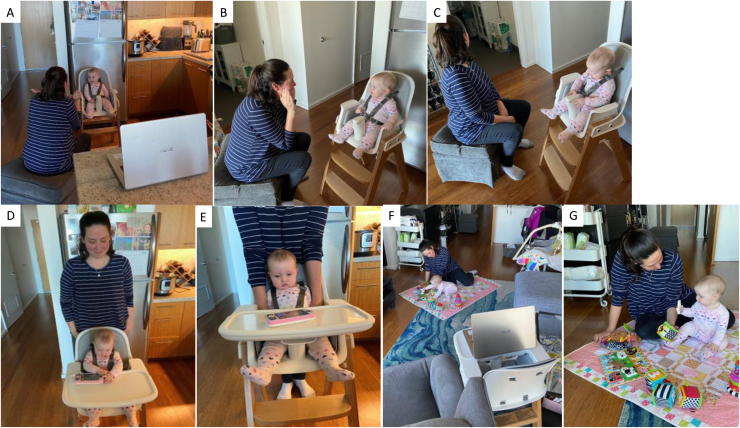
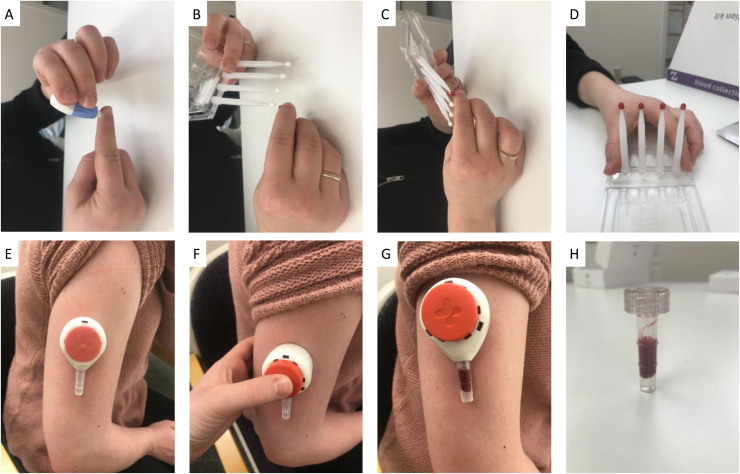
In response to the COVID-19 pandemic, research institutions across the globe have modified their operations in ways that have limited or eliminated the amount of permissible in-person research interaction. In order to prevent the loss of important developmentally-timed data during the pandemic, researchers have quickly pivoted and developed innovative methods for remote assessment of research participants. In this manuscript, we describe methods developed for remote assessment of a parent child cohort with a focus on examining the perinatal environment, behavioral and biological indicators of child neurobehavioral development, parent-child interaction, as well as parent and child mental and physical health. We include recommendations relevant to adapting in-laboratory assessments for remote data collection and conclude with a description of the successful dissemination of the methods to eight research sites across the United States, each of whom are involved in Phase 1 of the HEALthy Brain and Child Development (HBCD) Study. These remote methods were born out of pandemic-related necessity; however, they have much wider applicability and may offer advantages over in-laboratory neurodevelopmental assessments.
针对 COVID-19 大流行,全球各研究机构都对其运营方式进行了调整,以限制或消除允许的面对面研究互动的数量。为了防止在大流行期间重要的发育时间数据丢失,研究人员迅速转变方向,开发了远程评估研究参与者的创新方法。在本文中,我们描述了为远程评估父母-儿童队列而开发的方法,重点是检查围产期环境、儿童神经行为发育的行为和生物学指标、父母-儿童互动以及父母和儿童的心理和身体健康。我们包括了与将实验室评估适应为远程数据收集相关的建议,并以描述这些方法在美国八个研究地点的成功传播结束,每个地点都参与了健康大脑和儿童发展(HBCD)研究的第 1 阶段。这些远程方法是出于大流行相关的必要性而产生的;但是,它们具有更广泛的适用性,并且可能比实验室神经发育评估具有优势。